In brief
With Friedrich Merz's upcoming swearing-in as Chancellor, Germany faces a myriad of economic and political challenges, including a sluggish economy, changing export dynamics, and potential security vulnerabilities.
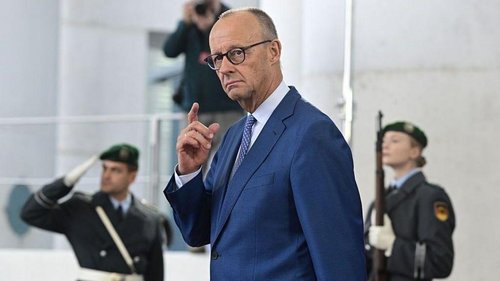
Friedrich Merz, leader of Germany's conservative Christian Democratic Union (CDU), is set to be sworn in as the nation’s new Chancellor on Tuesday, six months after the dramatic collapse of Olaf Scholz’s three-party coalition government. The CDU secured 28.5 percent of the votes in recent elections, positioning Merz to lead following intense negotiations with the incumbent Social Democrats (SPD), who came in third with a mere 16.5 percent.At 69 years old, Merz returns to political leadership after a decade-long hiatus, during which he was passed over for the chancellorship in favor of Angela Merkel. Notably, Merz lacks previous government office experience but is acclaimed for his dynamic public speaking and clear aspirations to re-establish Germany’s status as a key player in European politics.However, Merz’s government will inherit significant challenges at a time when Germany is grappling with unprecedented difficulties — arguably the most complex since the nation’s reunification 35 years ago. The economy, already strained before international trade tensions arose, faces diminishing demand from previously strong markets like China. A response to escalating energy prices due to sanctions on Russian gas adds further pressure on economic recovery, alongside increasing labor costs and deteriorating public infrastructure.Moreover, the geopolitical landscape poses an additional concern for the new administration, notably the risk of losing American security guarantees that have enabled Germany to maintain lower defense expenditures prior to Russia’s recent military aggressions in Ukraine. As Merz steps into this critical role, the nation will be closely observing how he navigates these pressing political and economic issues.