France and Spain Under Siege by Europe’s Most Intense Summer Fires
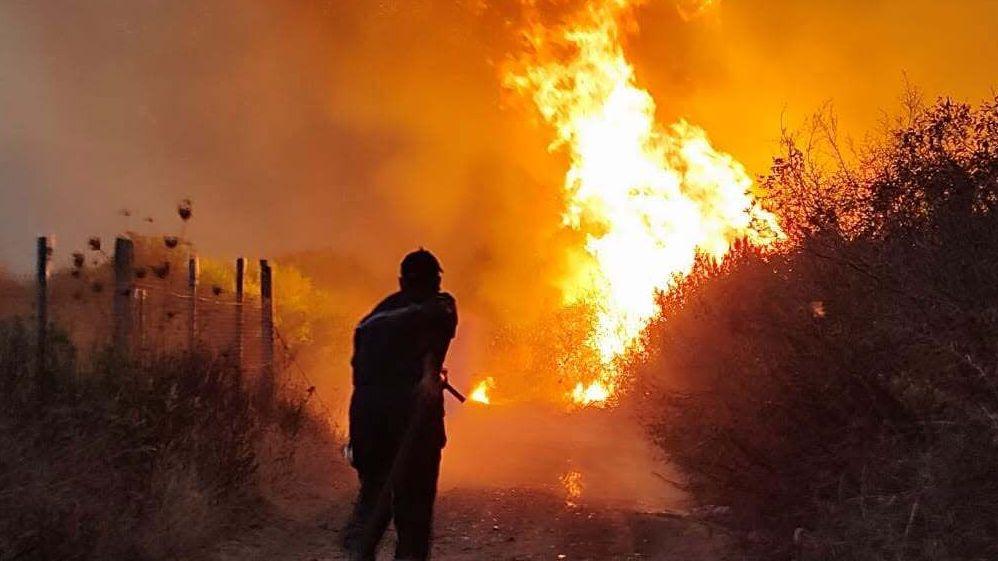
Wildfires now tear across the French wine‑region of Bordeaux’s Gironde and spill over into the outskirts of Madrid, forcing the displacement of more than 300,000 people.
France reports its worst blaze in two decades. The Gironde fires have consumed 162 sq miles (420 sq km) in less than four days, coming just nine miles from downtown Bordeaux. Meanwhile, Spanish crews confront a 297‑sq‑mile blaze outside Madrid – a scale larger than the capital itself.
Weather scientists link the unprecedented scale to a record‑breaking heatwave that sent temperatures above 40 C (104 F) across the wider region. Hot, dry winds fuelling “fire‑generated thunderstorms” have even sparked new fires by producing lightning up to 10 km high.
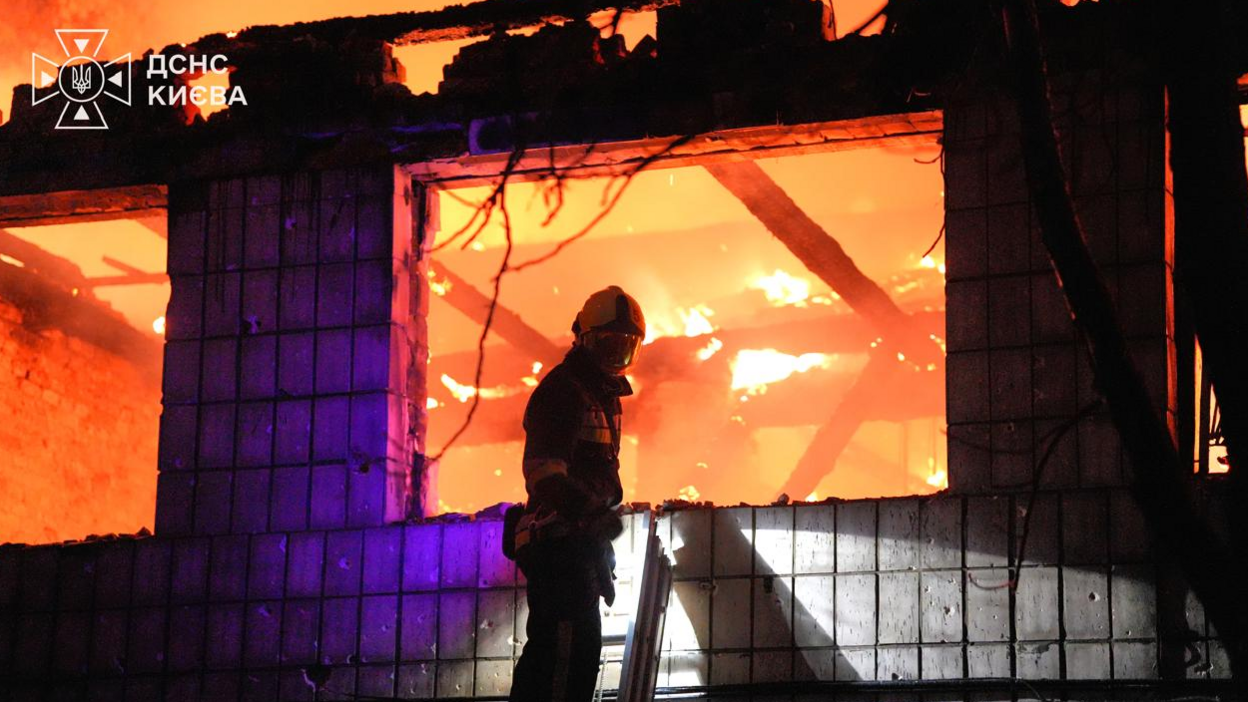
In France, 2,500 firefighters, 1,500 soldiers and 1,200 police officers are battling smoke‑ed fields. The authorities admit shortages: “We don’t have enough people and enough trucks and even I think France doesn’t have enough,” Jean‑Luc Gleyze, a governor in Gironde, said.
Every where, fleets of Canadair aircraft scoop 6,000 litres of water from lakes in 12 seconds, delivering a blend of moisture and fire retardant across a 100 m firebreak that is laid at points by bulldozers, diggers and mechanised shovels.
Spanish teams use the same tactics – aerial water drops and ground firebreaks – as meteorologists warn the coming week will bring high pressure decks that dry and steam. “These are, undoubtedly, the largest fire in the history of our Madrid region,” said a Madrid delegate.
Aerial drops are supported by footage of Air‑Tractor AT‑802F “Fire Boss” aircraft and French Air Force A400M transports releasing fire retardant over the berth at Lacanau. As the fires evolve into thunderstorm‑forming clouds, crews remain vigilant that these storms could spark yet new ignitions, hail or even rainfall.
The forested fields near Bordeaux were scorched by the flames, leaving blackened earth across 5 km stretch and sending smoke that now drifts inland to the east, seen on satellite imagery that shows vast scorch lines. Southern Bordeaux’s vineyards sit directly under the threat – a blow to the wine industry, the region’s economic lifeline.
With temperatures still soaring, the calculus for rescue teams involves balancing ground firebreaks, aerial retardants and weather forecasts, hoping to stem the flames before they spread further. The European wildfire crisis underscores the urgent need for bigger firefighting fleets and coordinated cross‑border strategies to manage B2‑class heatwave events in the future.