Europe’s Wildfire Crisis: Massive Blazes Threaten Borders, Homes, and Infrastructure
The summer of 2026 has seen record‑breaking European wildfires, with the blaze covering more than 162 square miles (420 km²) in France’s Gironde region over just four days, and displacing over 300,000 residents across France and Spain. Spanish officials label the fires as the greatest in Madrid’s history, driven by unprecedented heat and dry conditions exacerbated by climate change.
Heatwaves soaring above 40 °C have turned forests into tinder, and meteorologists warn that the combination of intense heat, dry wind, and high pressure can create “fire‑thunderstorms.” These storms can generate lightning and even rain, but the fire‑generated clouds sometimes carry new sparks that ignite fresh fires.
Satellite imagery shows large swaths of scorched, blackened earth around Bordeaux, with smoke drifting inland from the wetlands. The flames threaten critical military sites that produce French ballistic missile components, as well as hazardous‑chemical processing facilities.
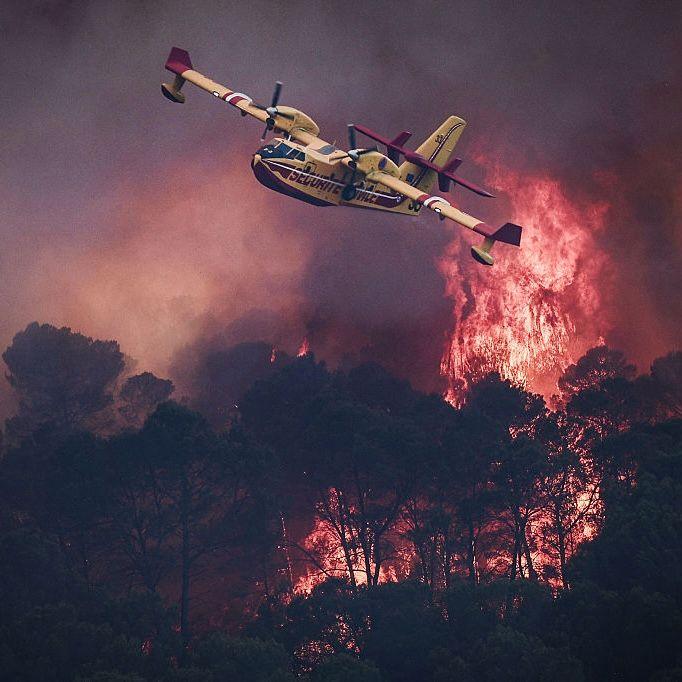
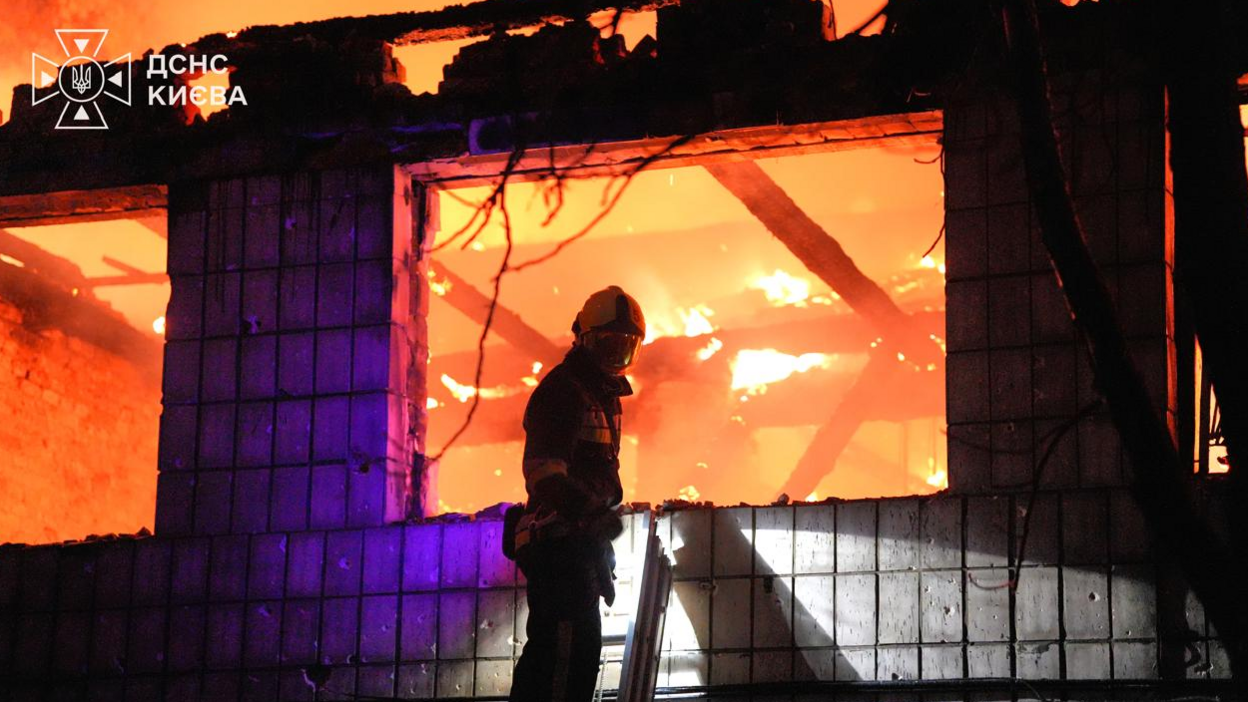
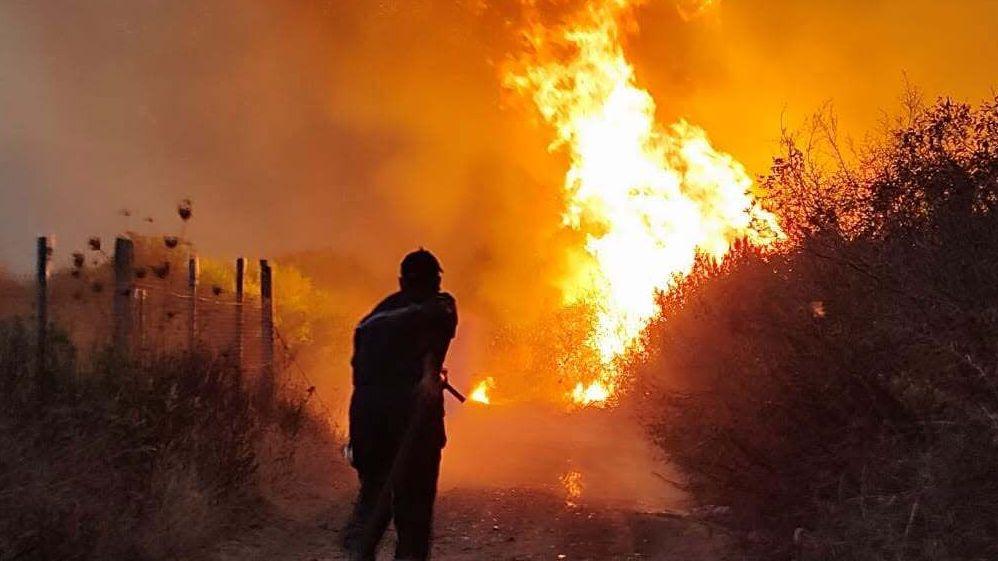
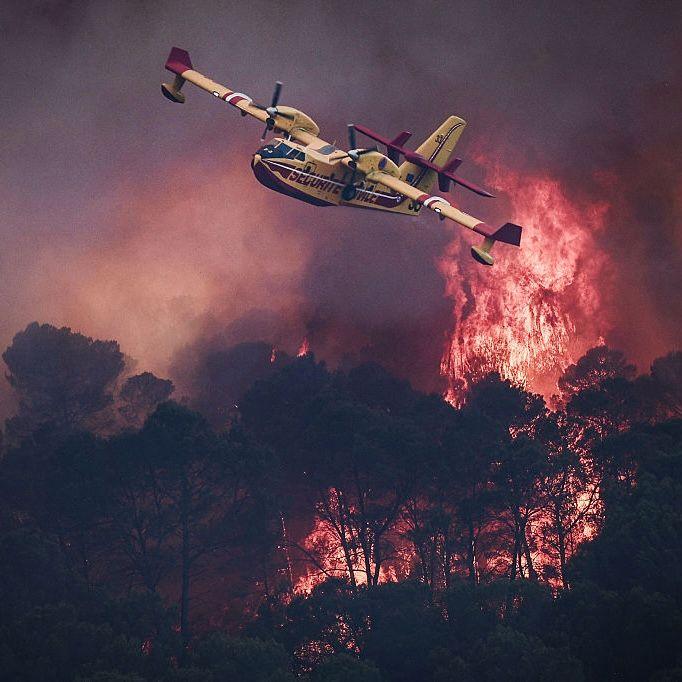
French firefighters have coordinated aerial and ground operations, deploying planes that fly pre‑emptively along fire‑edges. They drop 6,000‑litre water loads in 12 seconds, complementing ground crews that staff bulldozers, diggers and mechanical shovels to carve 100‑metre firebreaks.
Spanish teams are using similar tactics, with the secretariat in Madrid calling the outbreak “undoubtedly the largest fire in the region’s history.” Both French and Spanish authorities anticipate worsening conditions, as high pressure continues to deliver hot, settled weather across the Iberian Peninsula and parts of France.
The twin fires have already forced the evacuation of more than 200,000 people in the Bordeaux area, bringing the total displaced across Europe to over 300,000. Emergency responders warn that temperatures are unlikely to soon ease, and that the next weeks may see a surge in fire activity.