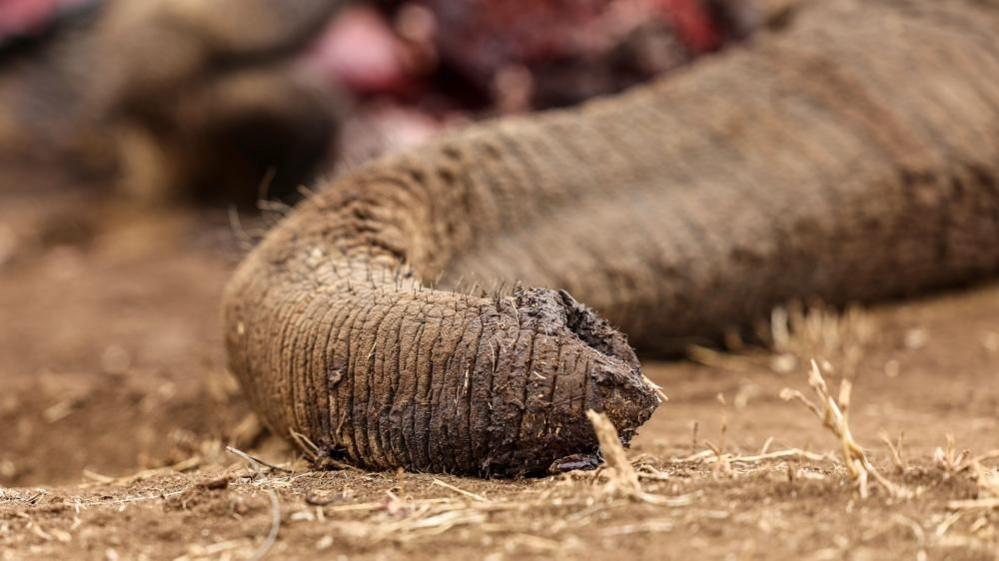
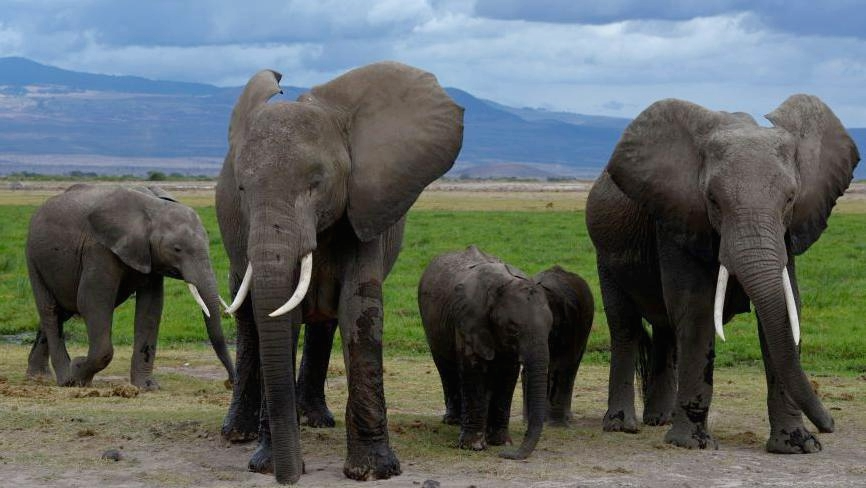
Fifteen elephants were found dead in southern Kenya, just outside the Amboseli National Park, and preliminary investigations suggest they were poisoned after eating tomatoes that had been sprayed with pesticides on adjacent farms.
The Kenya Wildlife Service (KWS) reports that laboratory tests detected cyanide in samples taken from the animals’ carcasses, pointing to the toxic pesticide residue on the fruit.
Ten of the elephants showed signs of paralysis before dying within two days, while the remaining five were already deceased when found. The deaths spanned the period from 24 June to 24 July 2026.
Urgent investigations are underway; however, wildlife officials have ruled out foul play and emphasised that the toxic substances ingested pose no immediate risk to humans.
The incident has highlighted the growing tension between expanding agricultural activities and wildlife conservation in the Amboseli ecosystem, which straddles the Kenya‑Tanzania border and is renowned for its wildlife.
This marks the first mass mortality event in decades, during which anti‑poaching measures have been successfully implemented. The elephants involved varied in age and sex, suggesting the tragedy was not limited to a specific family group.
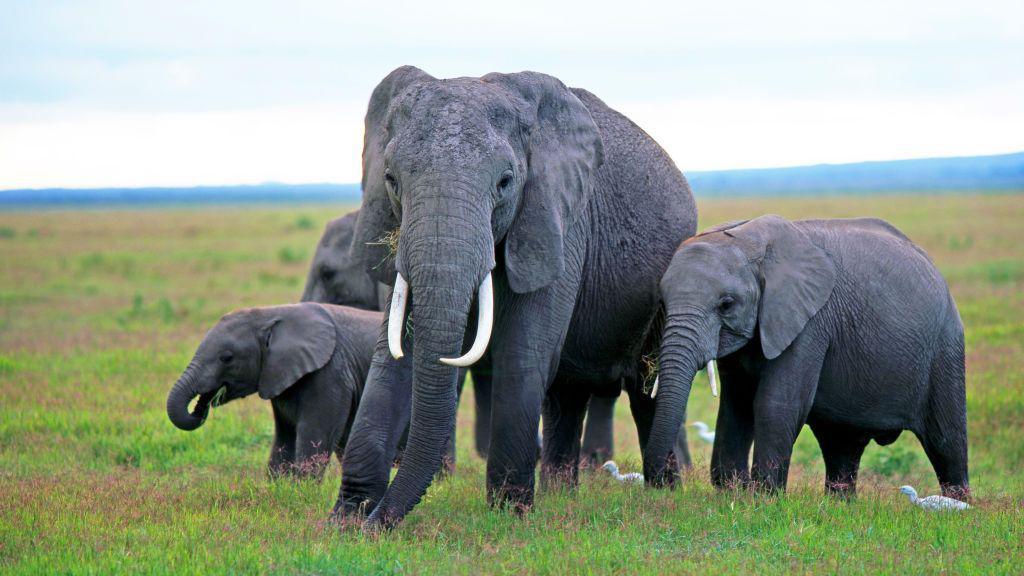
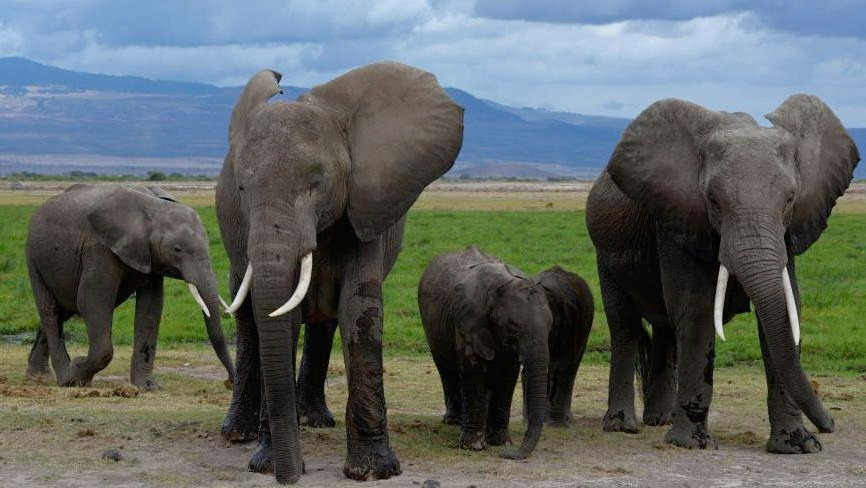
According to Amboseli Trust for Elephants, the ecosystem housed more than 2,000 elephants as of 2025, illustrating the scale of the loss for the region.
For more information, visit the BBC Africa website or follow BBC Africa on Twitter, Facebook, or Instagram.