Diplomatic Row Erupts over Alleged Migrant Killing in South Africa
Speaking on the day of a nationwide anti‑immigrant shutdown, a Ghanaian tailor named Bashiru Isak, aged 40, was reportedly shot dead in Cape Town’s Khayelitsha township. Ghana’s foreign affairs ministry claimed the killing stemmed from accusations that Isak was taking South African jobs, sending a formal protest to South Africa’s justice department.
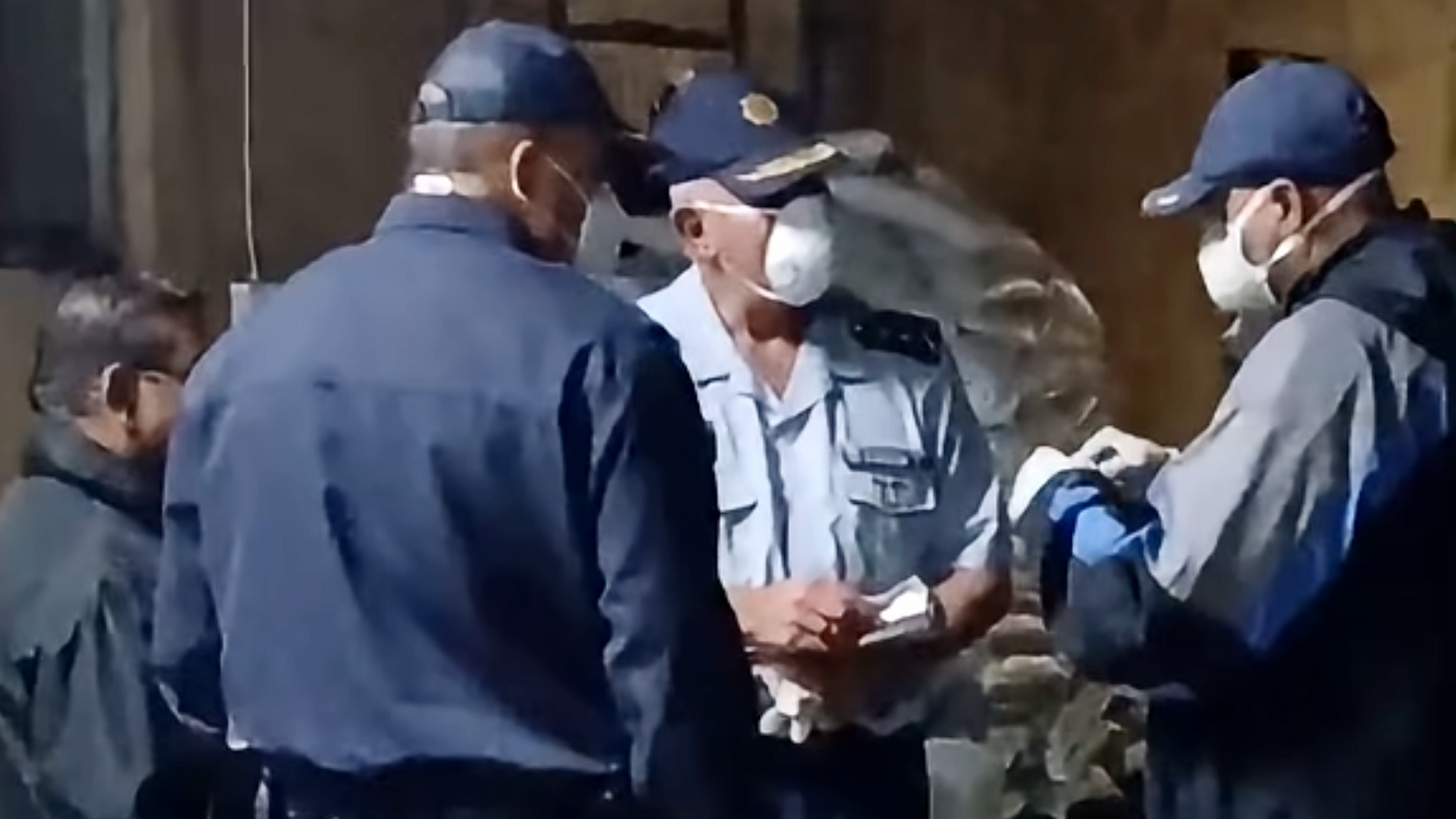
South African police, however, announced there was no record of the Khayelitsha incident and that they were currently investigating the death of a different Ghanaian, Kwabena Boagen, who was killed in a Nyanga extortion case. The police noted Boagen lived in Khayelitsha but worked in Nyanga, and that post‑mortem procedures were underway.
Statements from both sides
Ghana’s foreign ministry stated: "Those responsible must be brought to justice without delay," urging South Africa to uphold international obligations to protect foreign nationals. In response, a South African justice minister said officials were “concerned that the Ghanaian authorities were spreading false information” about the situation.
Police officials also asked Ghana for details of the Khayelitsha incident so that a thorough probe could be conducted, while a South African foreign ministry spokesperson labeled the claim as a fabricated tale.
Broader context
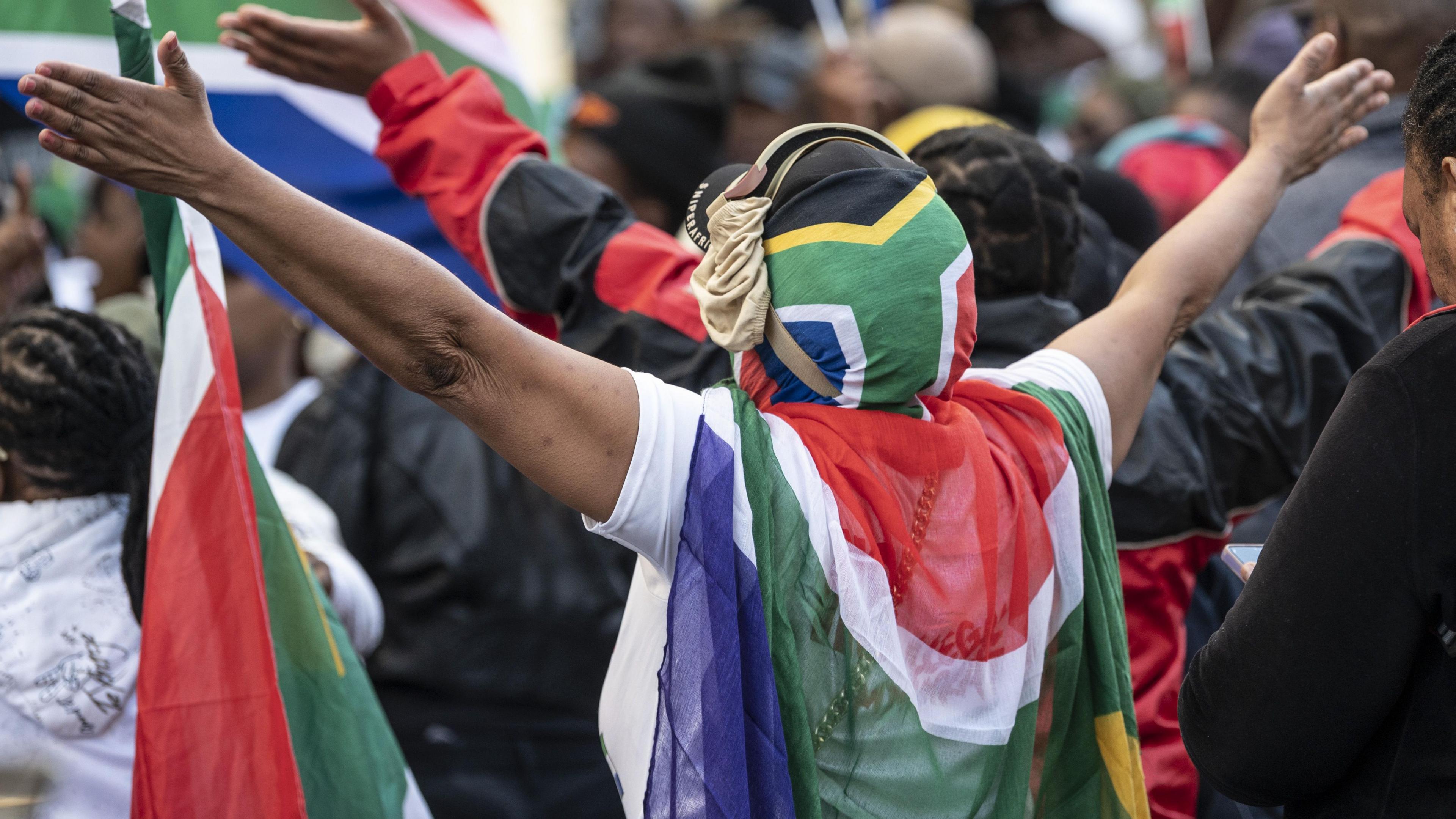
The protests started on a Tuesday that served as the unofficial deadline for undocumented foreigners to exit South Africa, a measure seen by some as a move to curb rising unemployment—South Africa’s rate exceeds 30%. Thousands of protestors marched across major cities; police arrested about 900 individuals for immigration‑related offences and looting.
Ghana has already been repatriating citizens fleeing violence in South Africa, with some 25,000 people leaving in the first few weeks of the deadline. The incident has further strained the diplomatic relationship between the two nations amid concerns over safety and dignity for migrants on South Africa’s soil.
For further updates, stay tuned to BBC Africa and the official statements from both governments.