
In brief
One year after a dam collapse devastated Maiduguri, Nigeria, residents like Sa'adatu Dahiru and Maryam Jidda share their struggles in rebuilding their lives as they contend with lingering trauma, government inaction, and the threat of another flood. Local authorities claim to provide aid and begin reconstruction, yet many still await the support they desperately need.
The threat of flooding once again looms over the city of Maiduguri, in north-eastern Nigeria, a year after torrential rains and the collapse of a dam left entire neighbourhoods submerged in water.
For many residents who are still bearing the scars of last year's floods, the possibility of a repeat has created huge unease.
At least 37 people died in the floods, and two million had to abandon their houses after the widespread destruction of homes, farms, and businesses.
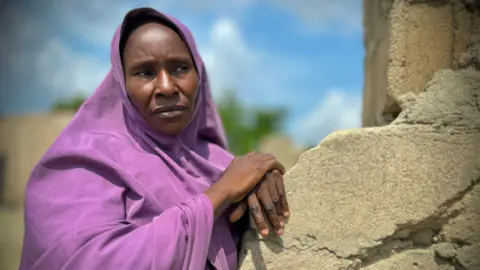
Forty-two-year-old Sa'adatu Dahiru lost her two-year-old son. He died as a result of hunger and fever during the flood. We had no proper food, no medicine, and no safe place to stay, she lamented.
She explained how her family was forced to flee in the night, able to carry only a few clothes while leaving everything else behind. Despite receiving some initial government assistance of 10,000 naira ($7), Dahiru has seen no further support: We are still waiting, still suffering, she stated.
The Borno state government insists it has aided local communities, establishing relief camps and initiating reconstruction of the dam that caused the flooding. The dam, built in 1986, has suffered from years of neglect due to the ongoing insurgency by Boko Haram.
Maryam Jidda, a flood victim and refugee from previous Boko Haram violence, now finds herself homeless once again due to the floods. The devastation of the flood forced her to flee her home for the second time, leaving her with nothing but memories. There's nothing left but memories and pain, she reflects.
As the new rainy season approaches, residents like Dahiru wonder how they will begin again without any resources. The Borno government has requested additional funds for reconstruction and rehabilitation of the affected areas, but the urgency remains as many still live in makeshift conditions, precariously awaiting another potential disaster.

