Democrats in Peril: Platner Withdrawal Threatens Maine Senate Hope
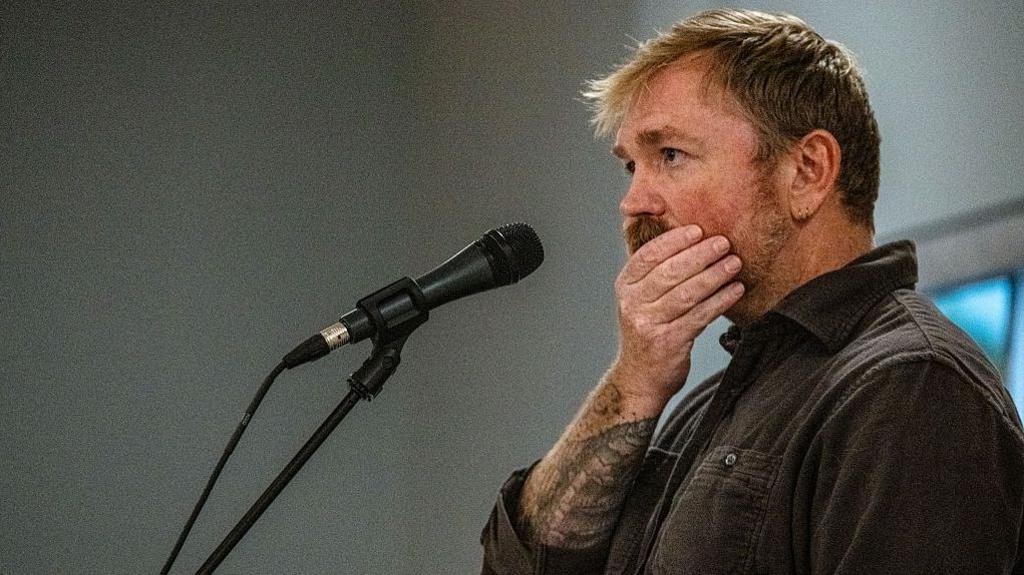
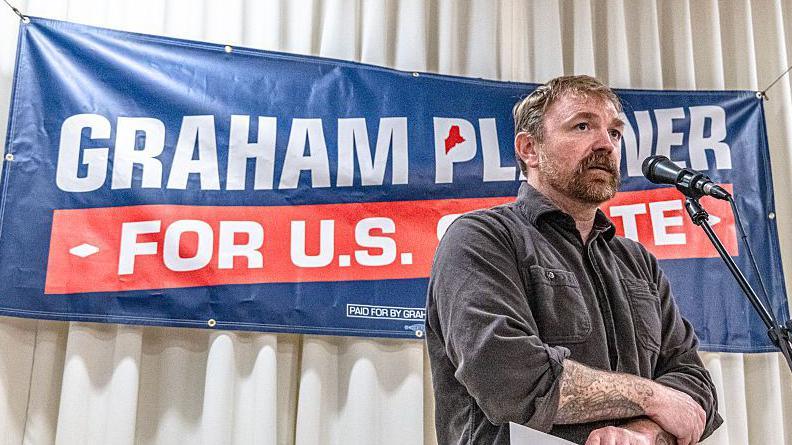
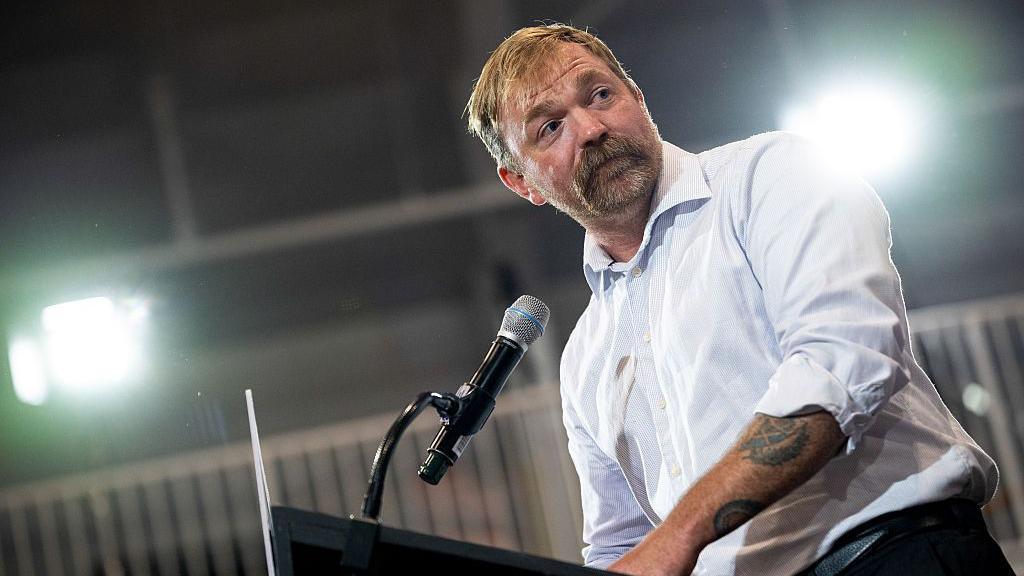
Graham Platner, a former oysterman and marine who built a grassroots following of more than 15,000 supporters in Maine, stunned the political landscape by announcing his campaign suspension after a Politico story revealed a sexual‑assault allegation from a 2021 intimate partner. The ex‑girlfriend alleged Platner entered her home intoxicated and forced himself upon her; he has denied the claim. The news broke just over 48 hours after the report, and the backlash was swift: key establishment allies—including senators Bernie Sanders and Elizabeth Warren—withdrew their endorsement, and the national Democratic Party halted its financial support.
Platner’s exit has immediate, seat‑level consequences. The Senate race in Maine is one of only four Republican‑held seats the Democrats need to flip to gain control in the 2026 midterms, and Collins, the incumbent, is the only Republican representing a blue‑state that voted for Joe Biden in 2024. With the July 27 deadline to nominate a replacement looming, the state party faces a harried scramble to choose a candidate that can rally Platner’s energized base while maintaining party unity.
“The question is whether the voters who went to the polls for Platner can stay loyal when the party hands over the reins to someone else,” said James Melcher, a University of Maine political science professor. The decision to open the replacement process is seen, by some, as an attempt by the establishment to keep control, while supporters fear a “coronation” of a vet‑policy candidate that could alienate the insurgent vote that brought Platner to victory.
State‑party chair Devon Murphy‑Anderson publicly accused Platner’s group of trying to “manipulate” the nomination process, a charge the campaign immediately denied. Platner’s own statement, posted to social media, stressed that he would withdraw only when a replacement could be chosen through a “open and democratic” process that respected grassroots input.
The fallout has prompted several potential replacements to emerge. Former state senator Troy Jackson, a former Maine Senate leader; state epidemiologist Nirav Shah, a Covid‑day‑lighting figure; and former secretary of state Shenna Bellows—all with varying levels of name recognition—have signaled interest. Nonetheless, the vacuum is filled with doubt: the incumbent Collins remains a formidable opponent, recently beating a better‑funded challenger in 2020 and continuing to maneuver under the national GOP tide.
Political observers note that this crisis could alter the trajectory of the broader Democratic strategy. Platner’s original platform—universal health care, wealth taxes, and affordable housing—was a blueprint for blue‑collar liberalism that many Democrats hoped would resonate in rural battlegrounds and catalyze a left‑leaning presidential bid in 2028. With his exit, that narrative may unravel, forcing the party to reassess whether they can keep progressive momentum without an outsider icon.
As the state party convenes a convention within weeks to name a replacement, the stakes—both electoral and ideological—remain high. The coming months will test whether the Democrats can repair the fissures that Platner’s scandal highlighted and whether they can mount a credible campaign that satisfies both their energized base and the broader electorate. Until a new nominee is named, the Maine Senate race remains a razor‑thin, high‑stakes gambit poised to influence the national balance of power.
"If they play their cards right, I think they will be fine and perhaps even better than before," Melcher warned, emphasizing the need to treat the process with respect and transparency.