In brief
The Trift Glacier near Lucerne has put to rest a 34‑year‑old mystery when a hiker found the bodies of two Belgian mountaineers who disappeared in 1992. DNA confirmation linked the remains to climbers aged 39 and 41. Scientists say the glacier’s rapid shrinkage, linked to rising temperatures, is exposing more lost lives. Similar finds have surfaced in 2023 and the pattern signals a clarion call about climate change and alpine safety.
The bodies of two Belgian men who went missing in the Swiss Alps in 1992 have been discovered after being exposed by the melting of a glacier, police have said.
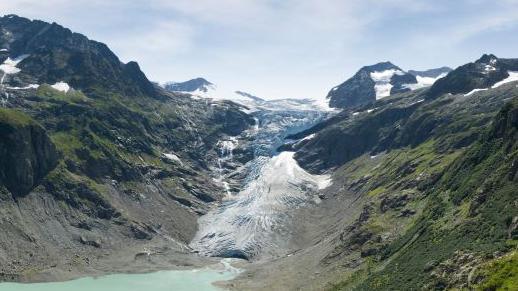
A hiker discovered the remains on 26 July on the Trift Glacier, south of Lucerne, officials said.
DNA testing later confirmed the bodies were those of two mountaineers who vanished 34 years ago near the Weissmies mountain; they were aged 39 and 41 at the time of disappearance.
Scientists attribute the glacier's rapid retreat—reduced by a quarter in the decade to 2025—to climate change, according to Glamos.
Swiss police recovered the bodies and brought them to a hospital in Sion for identification.
The Weissmies peak, over 4,000 metres, remains a popular mountaineering destination in the Saas Valley, but the retreat of surrounding glaciers raises new safety concerns.
This is not the first time melting glaciers have uncovered remains decades old; in 2023 remains were found on a glacier near the Matterhorn and identified as a German climber who had been missing since 1986.
Glamos data indicate a further 3% glacier reduction in 2025, following record ice loss years of 2022 and 2023; the trend coincides with the European Commission’s Copernicus monitoring of rising global temperatures.
Unseasonably warm weather at higher altitudes in Switzerland has also threatened ski resorts, underscoring the broader impacts of climate change on the region’s tourism and safety.