In brief
A senior U.S. senator has gone from ignoring data‑centres to drafting new legislation after a swift surge in public protest. Residents across the country have blocked large AI‑backed projects over concerns from noise to energy use. The issue is now bipartisan, with Democrats and Republicans both being pressed by voters to take clear stances, while President Trump dismisses the backlash as a "sick conspiracy." State governors have responded with moratoria and tax‑break freezes, and campaigns have built data‑centre regulation into their platforms. The emerging political battle could swing the 2026 mid‑term outcomes.
One year ago, a senior senator didn’t think much about data centres. Today, he’s meeting daily with aides to draft legislation curbing their rapid expansion. The shift stems from a growing public backlash against these giant warehouses of computing power, which now symbolize the explosive growth of artificial intelligence.
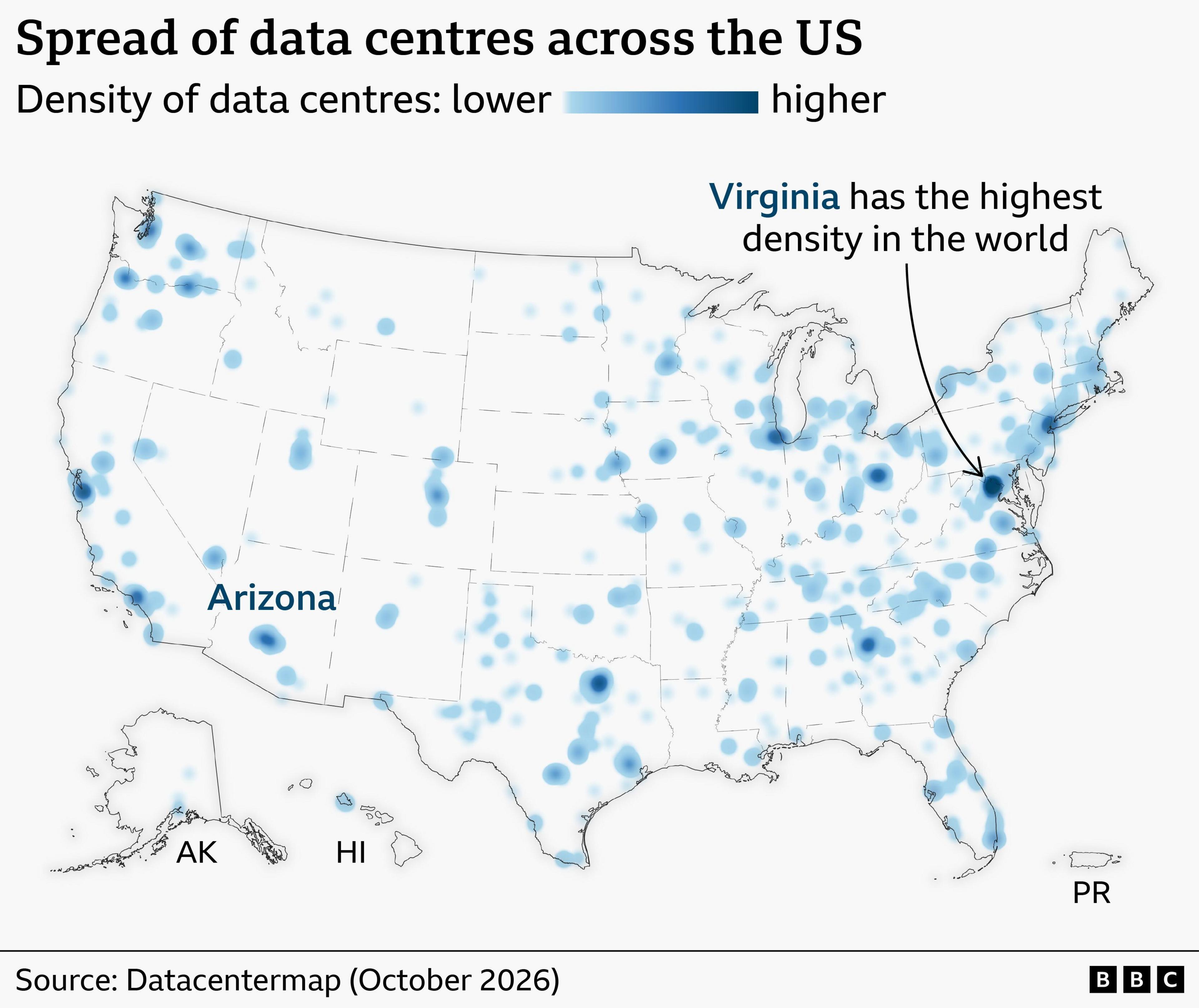
Residents across the country—from Indiana to Arizona—have organized protests, voicing concerns over noise, energy use, water consumption, and the speed of local approvals. In some places, an Amazon facility will occupy over a square mile, complete with 782 generators.
The backlash is bipartisan. Democrats and Republicans alike are being pressed by voters to take clear stances; the former are seizing the opportunity, while the latter face criticism from both conservatives and the president, who labels the resistance a "sick conspiracy."
State leaders have responded with moratoria and tax‑break freezes. Governor Katie Hobbs of Arizona paused new tax incentives, while Texas’s governor shifted from championing AI to citing safety and quality‑of‑life concerns.
Campaigns have integrated data‑centre debunks into their platforms, with Democrats like James Talarico pushing end‑to‑end tax reforms and Republicans like Ken Paxton maintaining the status quo. Polls show data‑centre regulation is a top issue for voters, behind the war in Iran and key economic concerns.
Industry studies suggest that each new centre creates only 100‑200 local jobs, fewer than claims, and has negligible wage impact. Yet local opposition remains stark, with community organizers describing the push as a "David and Goliath" story.
The current trajectories show that most temporary moratoria will expire within one to three years, potentially leaving the tech sector free to expand. For now, however, the public feels strongly that data centres are a critical election issue.