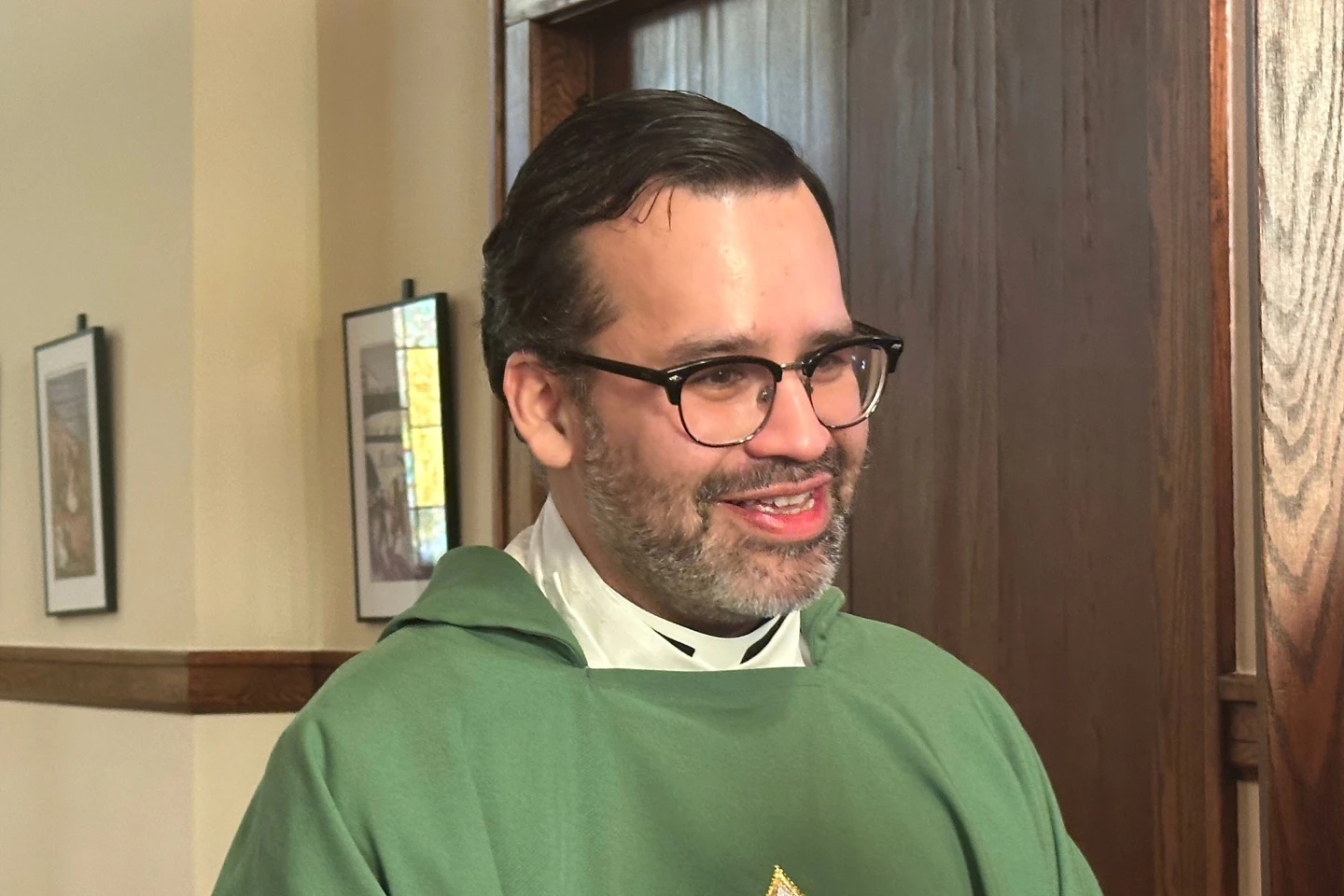
WASHINGTON (AP) — In light of tightening immigration restrictions, the Department of Homeland Security (DHS) is making strides to facilitate the participation of visa-holding religious workers within U.S. congregations. The DHS announced a regulatory change on Wednesday aimed specifically at reducing the cumbersome wait times faced by foreign nationals who play significant roles as pastors, priests, nuns, imams, and rabbis in the U.S.
The recent DHS adjustment addresses a significant issue for clergy members, particularly the elimination of the requirement that R-1 visa holders leave the country for one year after reaching their five-year maximum stay. Historically, this visa duration provided ample opportunity for religious communities to navigate the green card application process. However, procedural shifts in 2023 had extended these timelines, forcing many to exit the country. Under the new rule, while visa holders will still need to leave at the end of their maximum period, they will be permitted to apply for immediate re-entry.
“We are taking the necessary steps to ensure religious organizations can continue delivering the services that Americans depend on,” a DHS statement affirmed. It highlighted the role of religious leaders as essential to the nation's moral and social fabric.
The adjustment has been met with enthusiasm from various stakeholders, including immigration attorneys and faith leaders, particularly at a time when many immigration routes have been curtailed. “It’s a huge deal,” noted Lance Conklin, an immigration lawyer representing evangelical churches with R-1 visa holders, stating that it would prevent significant disruption within religious organizations.
Representatives from the U.S. Conference of Catholic Bishops also hailed the development as a “truly significant step to support essential religious services.” Their leadership expressed gratitude for the administration's commitment to religious worker visa programs, recognizing the difficulties posed by the backlog within the green card system.
Historically, the U.S. Catholic Church has benefited greatly from foreign clergy amid a persistent priest shortage, while other religious traditions have similarly recruited foreigners for their specialized training or to serve diverse congregations.
The prolonged waiting periods for most green card applications exacerbate the difficulties for religious communities reliant on these workers. A quota system regulates the annual distribution of green cards across various employment and family categories; however, demand frequently exceeds supply, leading to long waiting periods, particularly for applications from countries with high demand. Some applicants now face processing times extending into decades.
In response to these ongoing challenges, several religious organizations, including the Catholic Diocese of Paterson, filed a lawsuit against DHS earlier this year, highlighting the adverse impacts of the green card processing delays. Although the lawsuit was later dismissed to allow for agency actions, it underscored the urgency of the situation.
Looking forward, a bipartisan bill introduced in Congress has proposed adjustments similar to the recent DHS rule, enhancing the visa extensions for religious workers whose green card applications are pending.
___