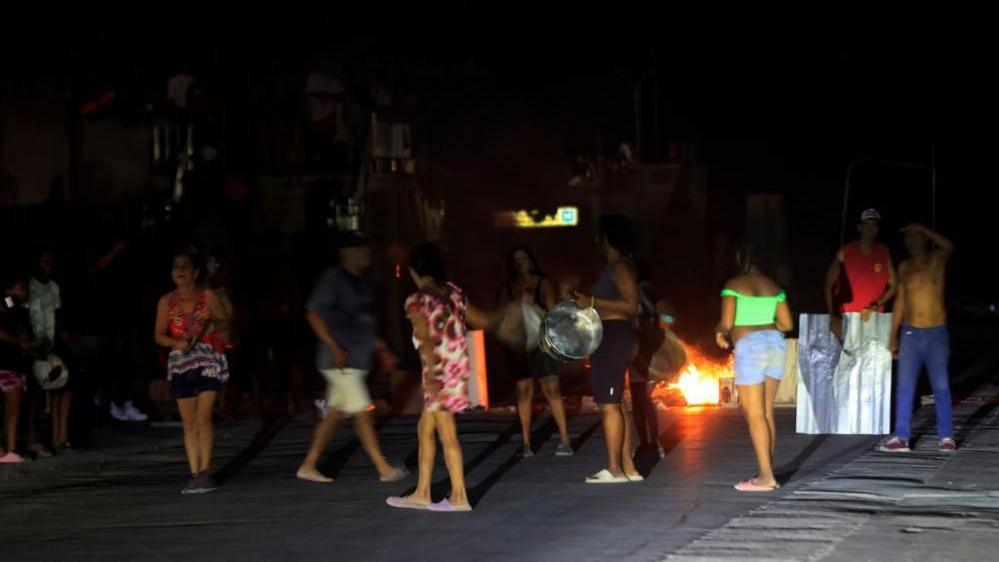
In a spontaneous wave of anger, hundreds of Cubans across the island clanged pots and set trash aflame in the night following a third nationwide power cut this year. The sit‑down protest took place in Havana and other locations where the blackout left streets in darkness, a stark reminder of the island’s chronic fuel shortages and the impact of a tightened U.S. oil blockade.
The Spanish‑language clarifying statement from the state electricity company said most of the country had regained power, yet in cities still in the dark locals shouted, “turn on the lights!” The prolonged outages have grown in length – with rural areas enduring up to 70 hours and urban locales facing 30 hours of planned power cuts.
President Miguel Díaz‑Canel acknowledged widespread dissatisfaction, saying: “There are shortages of transport, food, medicines, and lengthy power cuts lasting more than 20 hours that cause discontent. Nobody can be happy; the people are suffering.” He urged Cubans to direct their frustration toward the United States, remarking, “People bang pots, ... I say: direct your pot‑banging toward our northern neighbours, who are the ones behind these power cuts.”
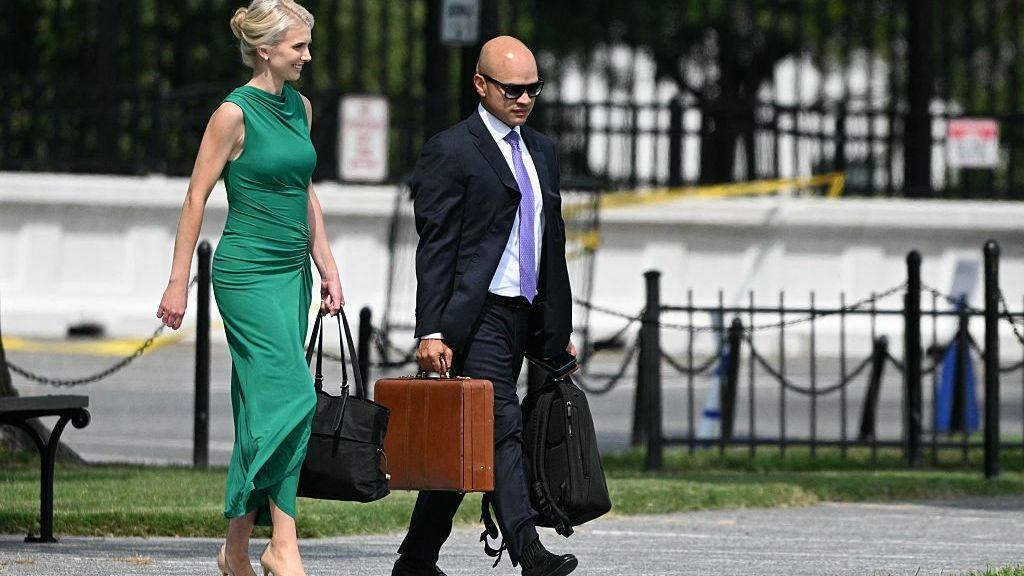
U.S. Ambassador to the UN, Michael Waltz, countered by blaming the Cuban government, urging the UN to “change your ways and turn the lights back on for your people” and claiming that the regime always has enough power. Cuban Foreign Minister Bruno Rodríguez accused the U.S. of conducting a “multi‑dimensional, non‑conventional warfare” that had become ever more cruel over the last seven months.
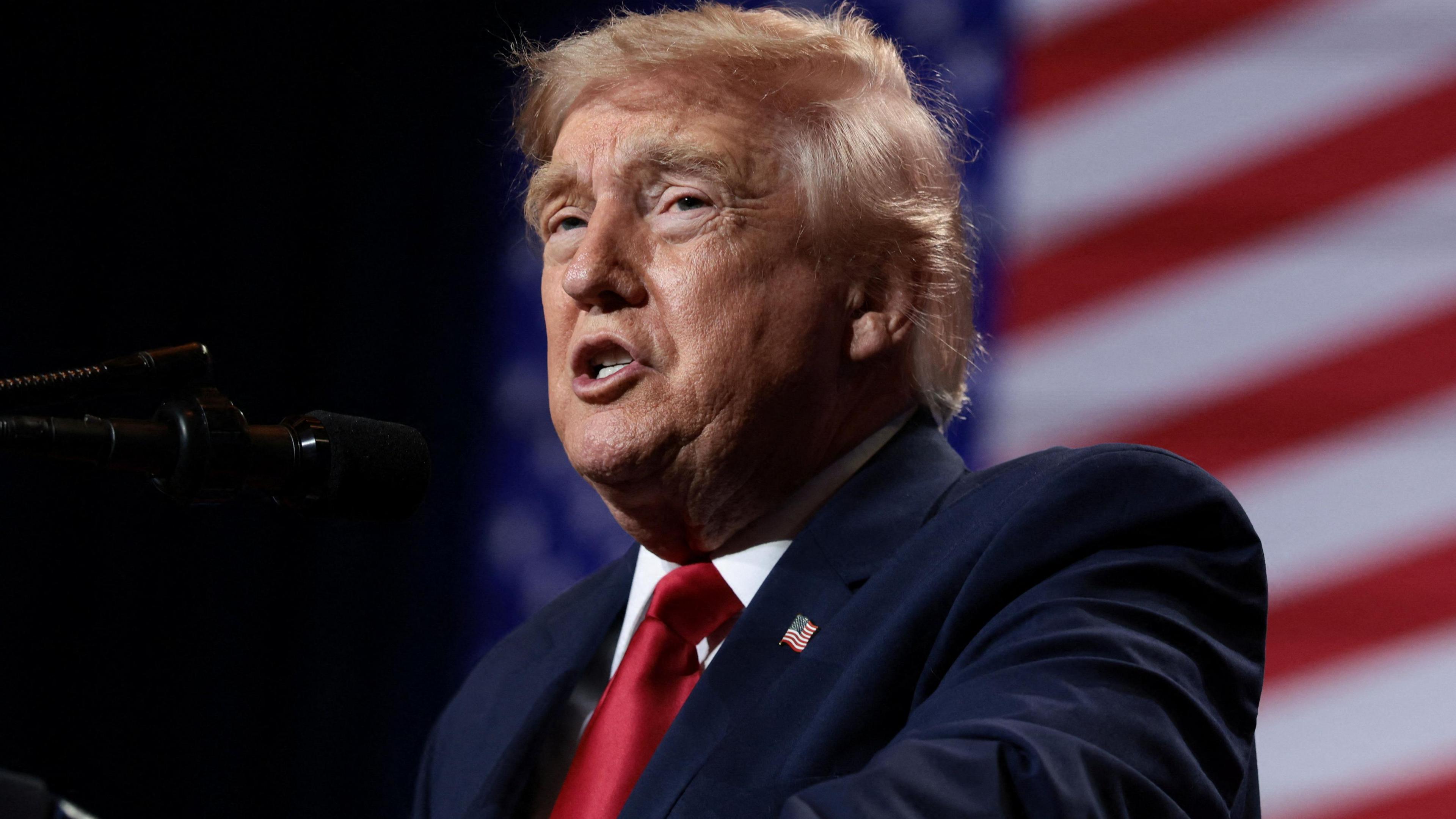
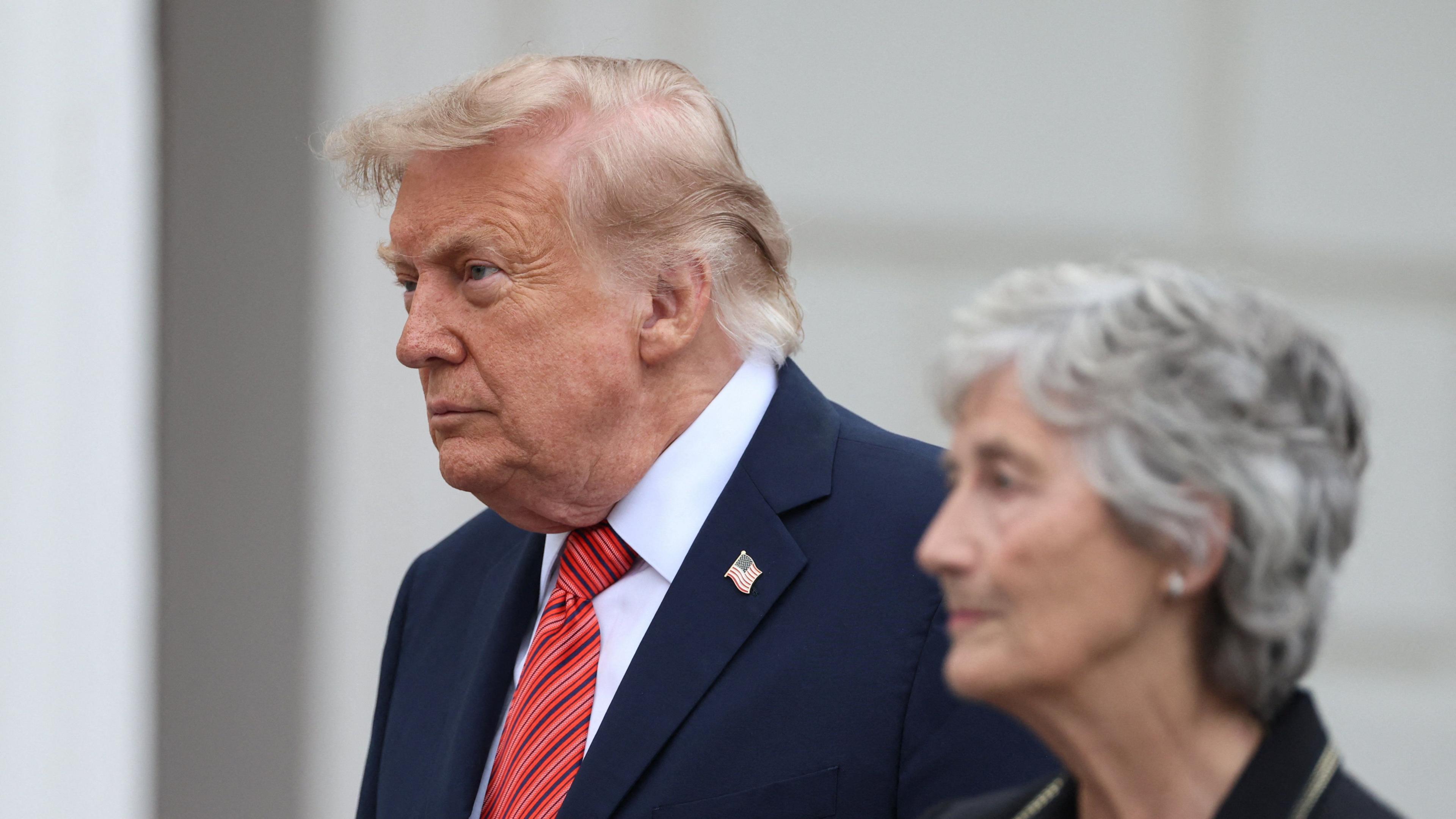
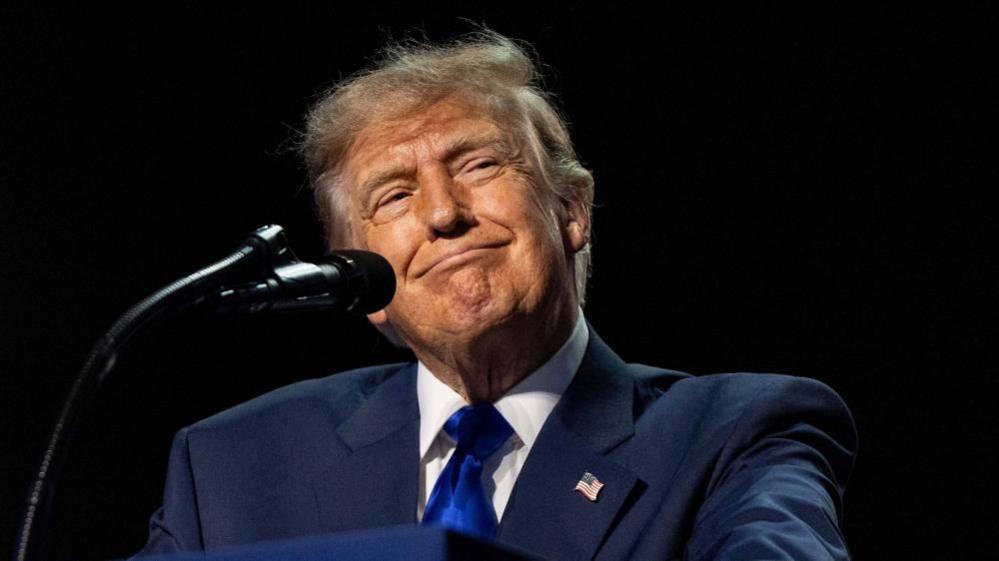
Since the Trump administration’s decision to link Cuba to the perceived threat to U.S. security, new sanctions and an effective oil blockade have widened economic isolation. Although public dissent in Cuba is normally suppressed, the combination of fuel scarcity and relentless power cuts has brought spontaneous protests into the political spotlight. The protests are a clear sign that the island’s citizens are growing impatient, demanding basic necessities and resilient power infrastructure while confronting an international environment of sanctions and political standoffs.