Christopher Nolan’s cinematic adaptation of Homer’s Odyssey has made waves, yet not all are in support. Emily Wilson, a respected translator whose 2017 edition influenced the film’s narrative, has taken to the London Review of Books to unleash a harsh critique. She calls the screenplay “gimmicky,” the dialogue “abysmal,” and the characters void of any believable motivation.
Wilson’s review is unsettling not just for film fans, but for scholars who appreciate the nuances of the ancient poem. “The writing is abysmal,” she writes, noting the absence of sex scenes, and how the film’s food “looks horrible.” She further complains it lacks psychological, emotional, political, and ethical depth, even as she acknowledges Nolan’s role in reigniting popular interest in the epic.
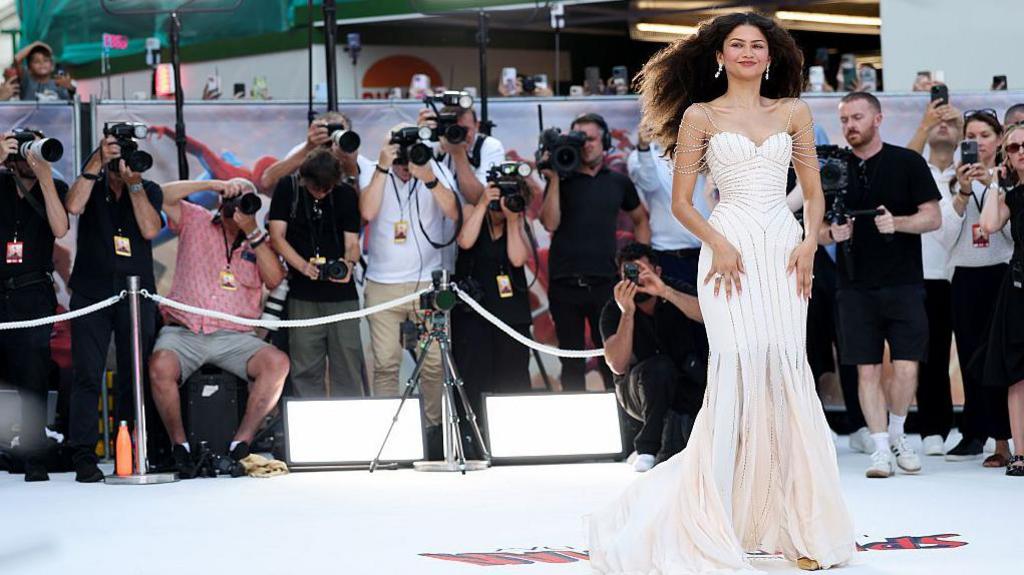
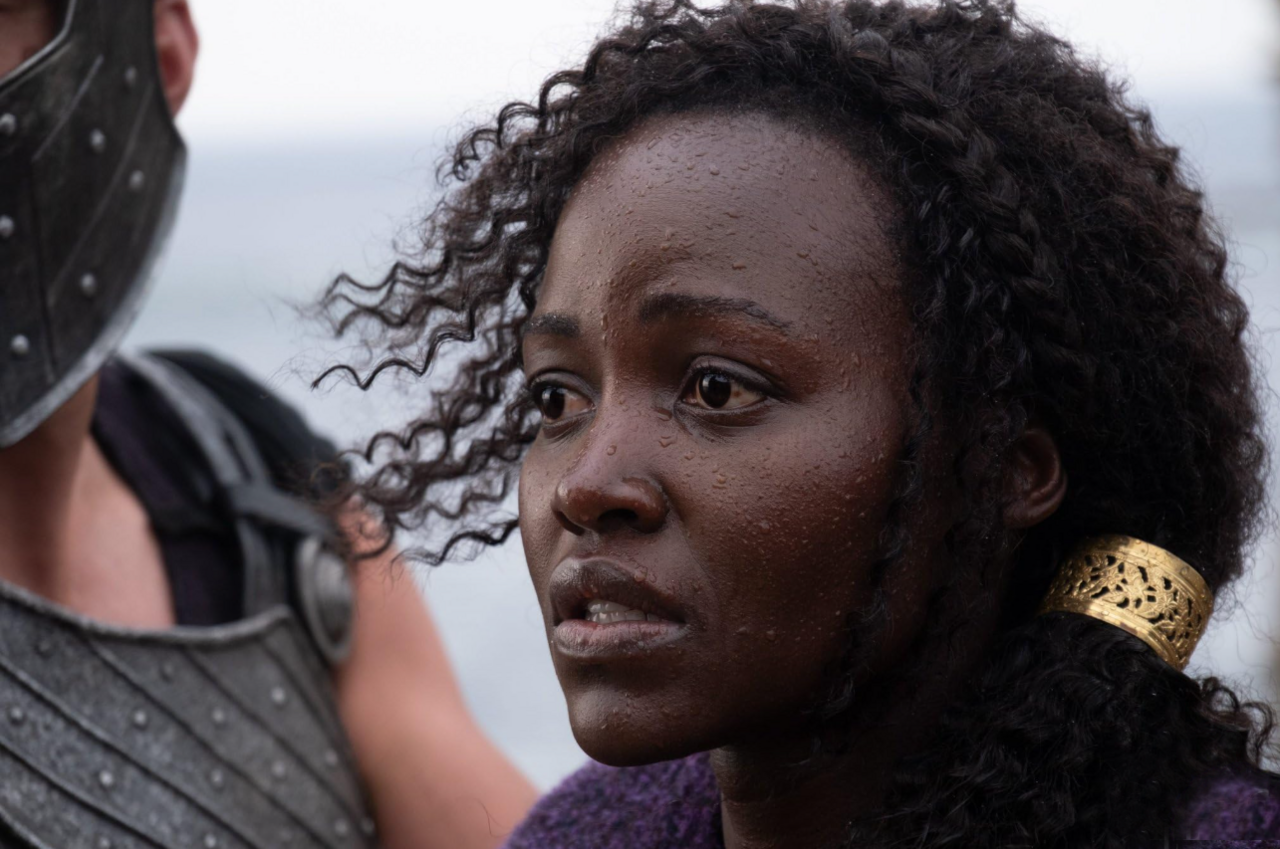
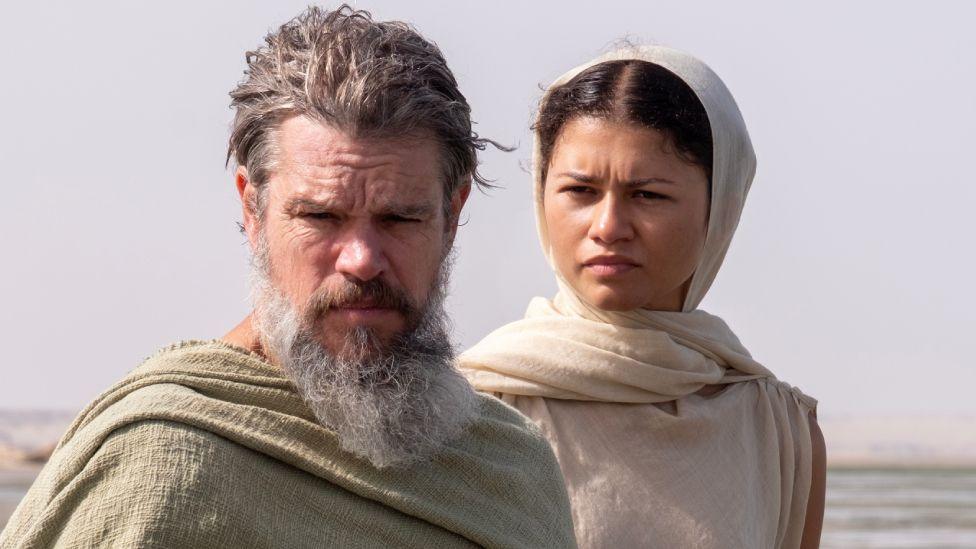
Despite Wilson’s rants, the movie itself is receiving rapturous praise from major critics. The Telegraph has dubbed it a “film of the year,” Metro claims it will “change cinema forever,” and The Times calls it a “masterpiece in every way.” The Standard went so far as to term it a “colossal piece of cinema.” With a star‑studded cast – Matt Damon, Anne Hathaway, Tom Holland, Robert Pattinson, Charlize Theron and Lupita Nyong’o – the film has been a box‑office triumph, bringing audiences back to theatres for a spectacular visual experience.
Wilson also highlights the gender balance in the adaptation, noting more female characters than typical Nolan projects. Yet she claims none of them “has much to say,” a sharp contrast to the powerful female figures in Homer’s original text.
While Wilson’s criticisms are undeniably incisive, they sit at odds with the consensus that the film is a landmark in modern cinema. This divergence underscores the continuing debate over how best to translate classical literature onto the screen, and whether commercial spectacle can truly honor ancient storytelling.