
In brief
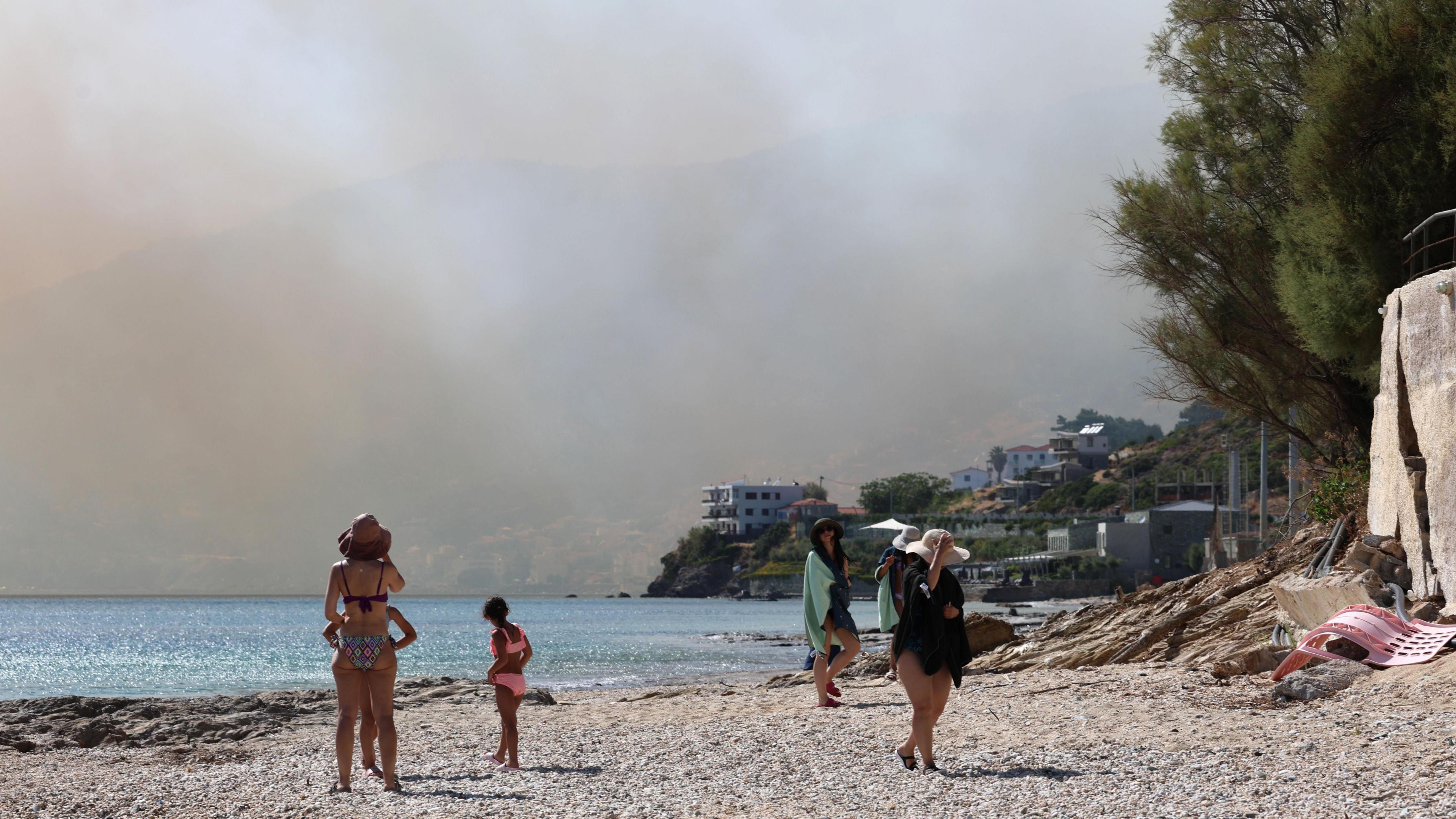
In early August, Crete’s Rethymno region was forced to evacuate around 8,000 residents and tourists as devastating wildfires spurred by gusts up to 125 km/h swept through villages and resorts. Two firefighters were killed on the island and a third in the mainland town of Gytheio. The blaze, still raging in parts of Crete, is part of a wider European fire season that has seen record‑breaking acreage in Spain, Portugal and France, with climate change exacerbating conditions. Local authorities are now working to contain the flames while temporary shelters are set up for evacuees.
Mounting temperatures and gale‑force winds have turned Crete’s Rethymno region into a tinderbox. By Wednesday night, the island’s fire services had evacuated roughly 8,000 people from villages and resort towns, although most were soon allowed to return once the fire’s most menacing fronts moved further inland.
Tragedy struck when two firefighters were trapped near Krya Vrysi, killing 58‑year‑old Emmanouil Stratidakis and 25‑year‑old Pantelis Diamantakis. A third firefighter died a short distance away in the mainland port town of Gytheio, a victim that underscores how far‑reaching the fire threat has become.
Meteorological reports show winds spurred the flames to a Beaufort scale level 11, described as violent, pushing the blaze across a patch of mixed agriculture and forest. The Rethymno deputy governor Maria Lioni has called the day a “dark day” for the region and has said containment is the immediate priority.
Broader European Picture
Around the same time, Spain’s hot July has already seen fires consuming more than 200,000 hectares, a fivefold increase over the usual summer average. In the Iberian Peninsula, the largest recorded wildfire has burned 43,000 hectares in Ávila, while Portugal’s Valpaços town suffered some injuries. France’s Gironde region has seen a massive blaze covering more area than the U.S. city of Detroit, with 240 homes lost.
Collectively, these fires have scorched over 90,000 hectares in France this year alone—record‑setting figures that are likely to rise as the heatwave continues.
Climate Change and Wildfire Management
Experts point to recent mild winters that fostered lush vegetation, now dried out under successive heatwaves, creating tinder‑dry fuel. Chlorosis from overgrown scrublands and inadequate forest management have widened the gap between lethal and fire‑prone landscapes.
Forecasts predict fire‑prone conditions expanding toward central Europe, with Greece and Turkey again ranking among the most affected. In Turkey, many homes were evacuated, though most southern fires have been brought under control.
Get In Touch If Affected
If you are in an affected area and it is safe to do so, please use the link below to get in touch.
