Court Overturns France’s Ban on Social Media for Children
On August 14, France’s Constitutional Council declared a law that would have prohibited children under 15 from creating or using social‑media accounts unlawful. The court said the ban was an infringement on the freedom of expression and that its age‑verification requirements were not sufficiently protected.
The legislation, drafted in July after lawmakers cited concerns about children’s mental health, was the first in Europe to attempt a blanket restriction on minors. It would have blocked account creation from September 2026 and prevented existing accounts from January 2027, with proof of age required for all new registrations.
In response, President Emmanuel Macron immediately requested that Prime Minister Sébastien Lecornu prepare a revised draft that takes the council’s objections into account. The government has pledged to pass a new version by early 2027, aiming to ensure the law complies with constitutional guarantees while protecting children’s digital wellbeing.
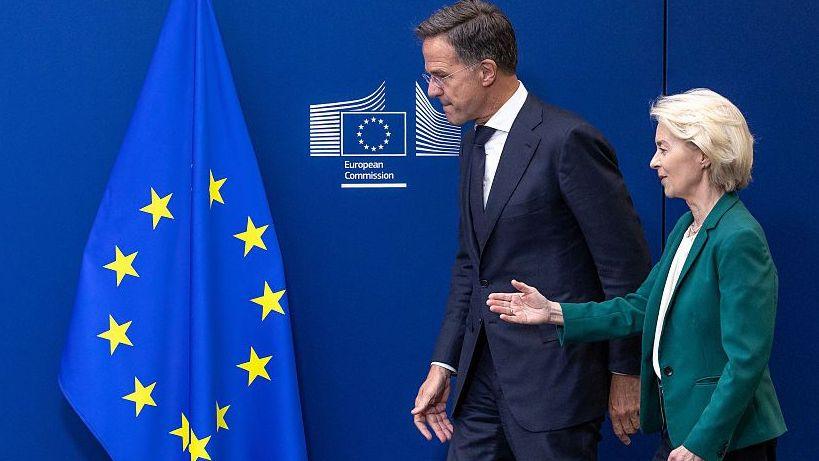
The decision comes amid wider European debate. In May, EU Commission President Ursula von der Leyen proposed a “social media delay” for children, and the UK has announced a ban for users under 16 from January 2027, combined with optional curfews for older teens.
Observers argue that strict bans are hard to enforce and that alternative safeguards, such as parental controls and better educational resources, may be more effective. The ruling also sparked discussions on the balance between protecting young people from harmful content and upholding their rights to free communication.
Senators and tech industry representatives are closely monitoring the process, noting that any new legislation will need to include practical solutions for age verification and clear obligations for platform providers.
For now, French children under 15 remain free to use social media, but the government promises to seek a more nuanced approach that respects both legal standards and public health concerns. The debate is far from over.