Colombia’s Calamity: Cali’s Search for Survivors Amid Aftershocks
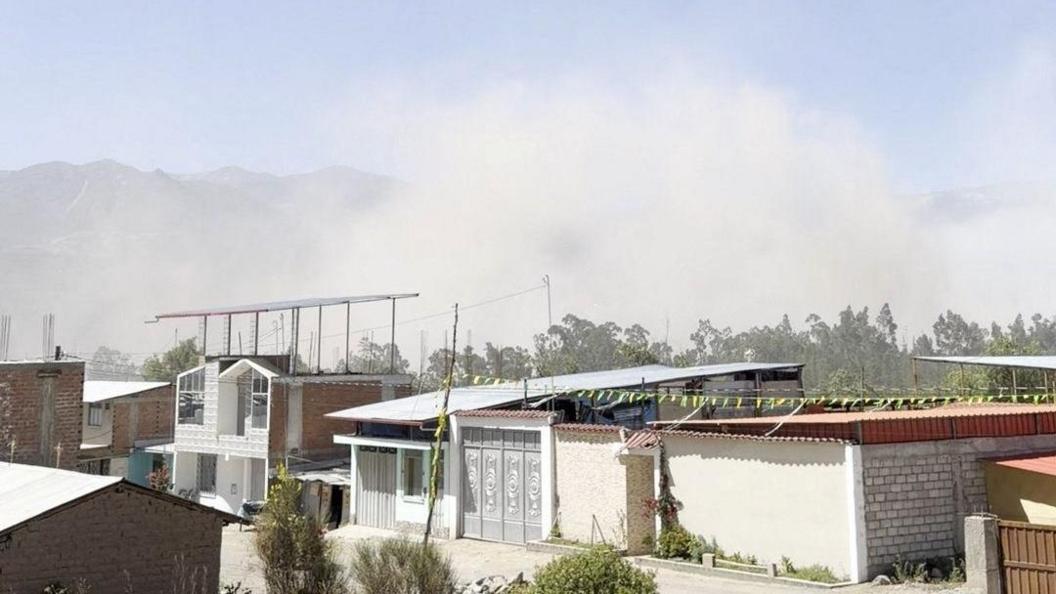
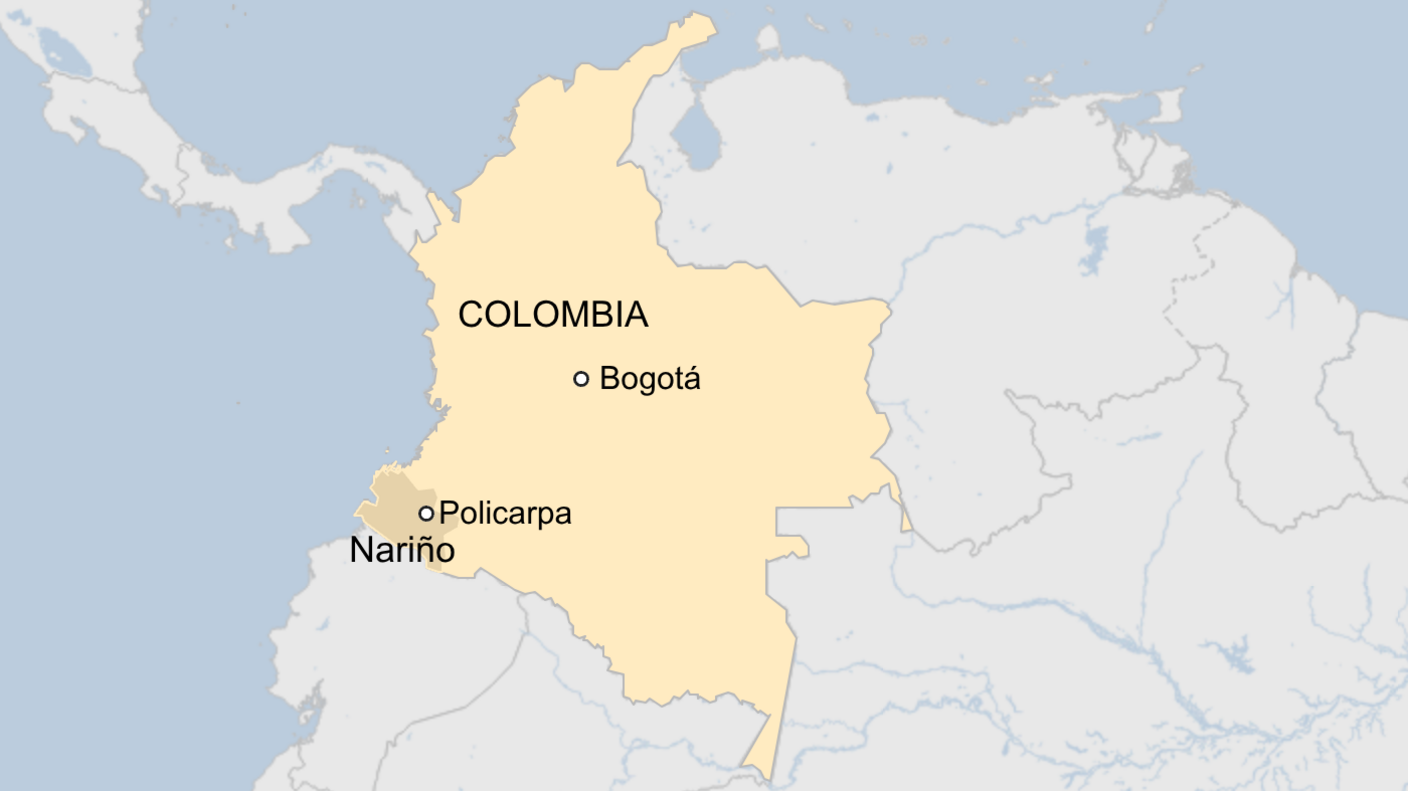
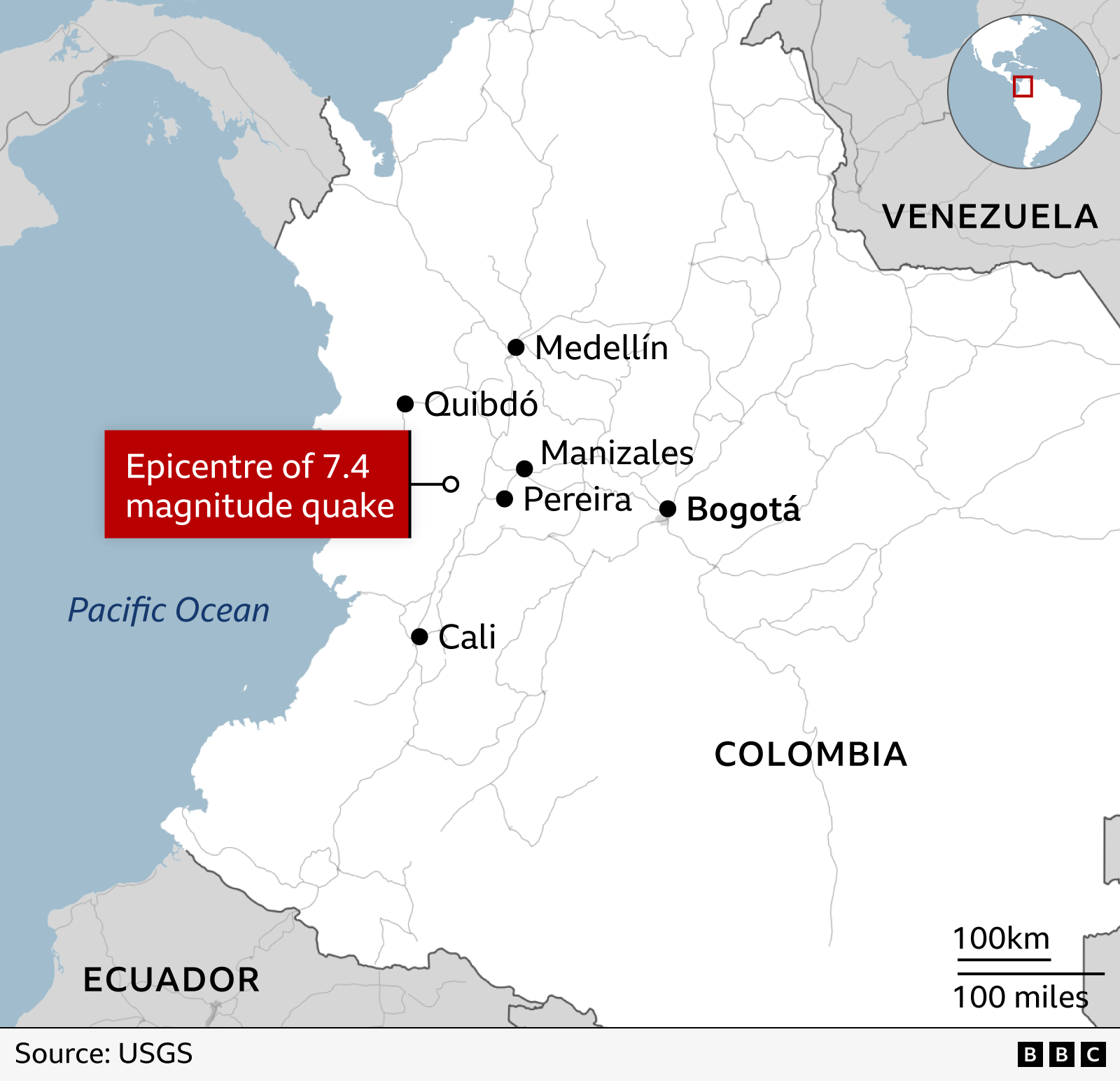
On August 11, a tremor measuring 7.4 on the Richter scale jolted the western region of Colombia, instantly turning the bustling city of Cali – the country’s third‑largest metropolis – into a scene of dread and destruction.
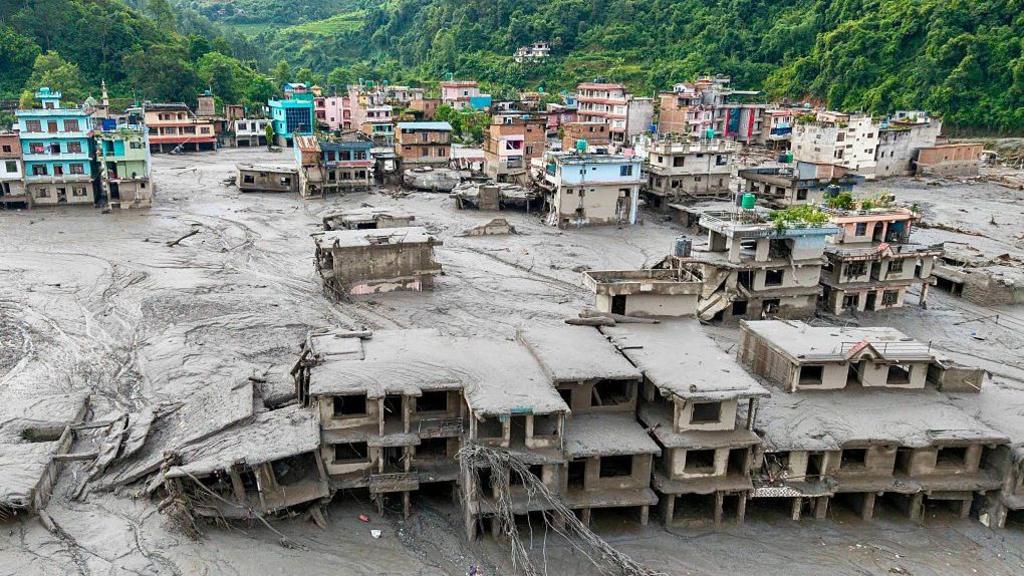
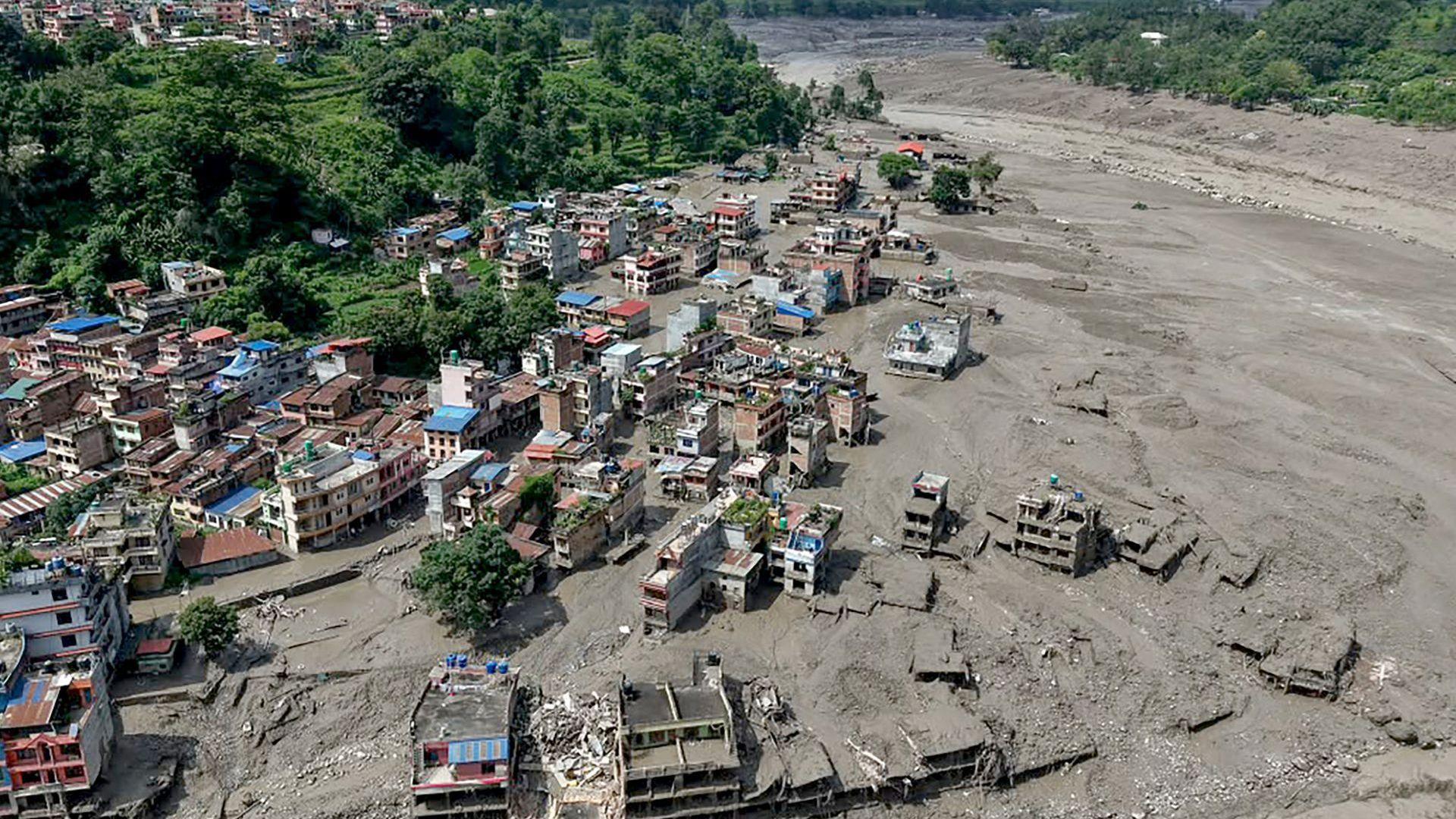
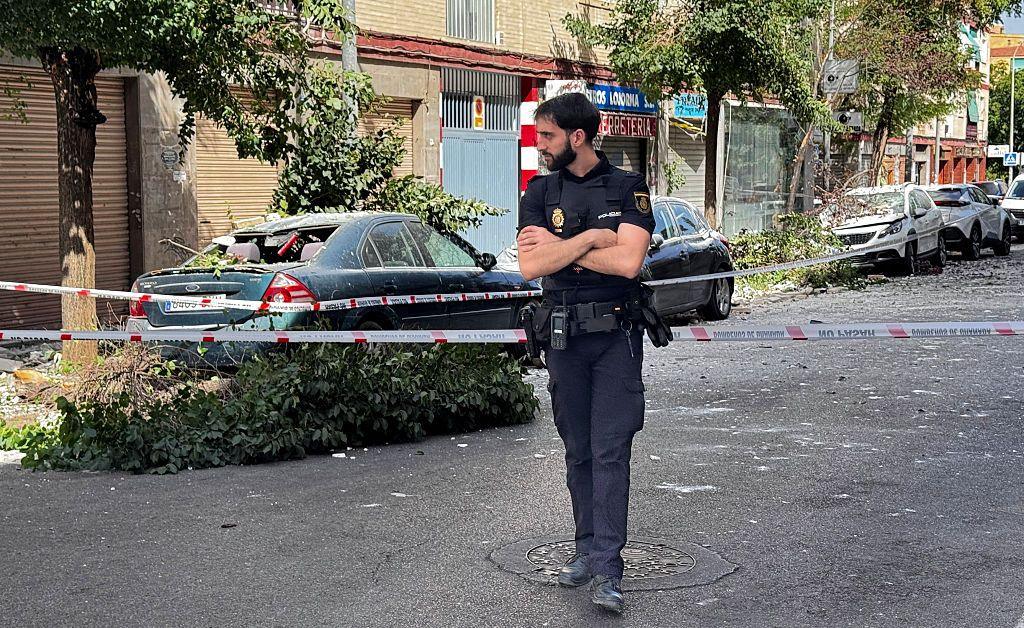
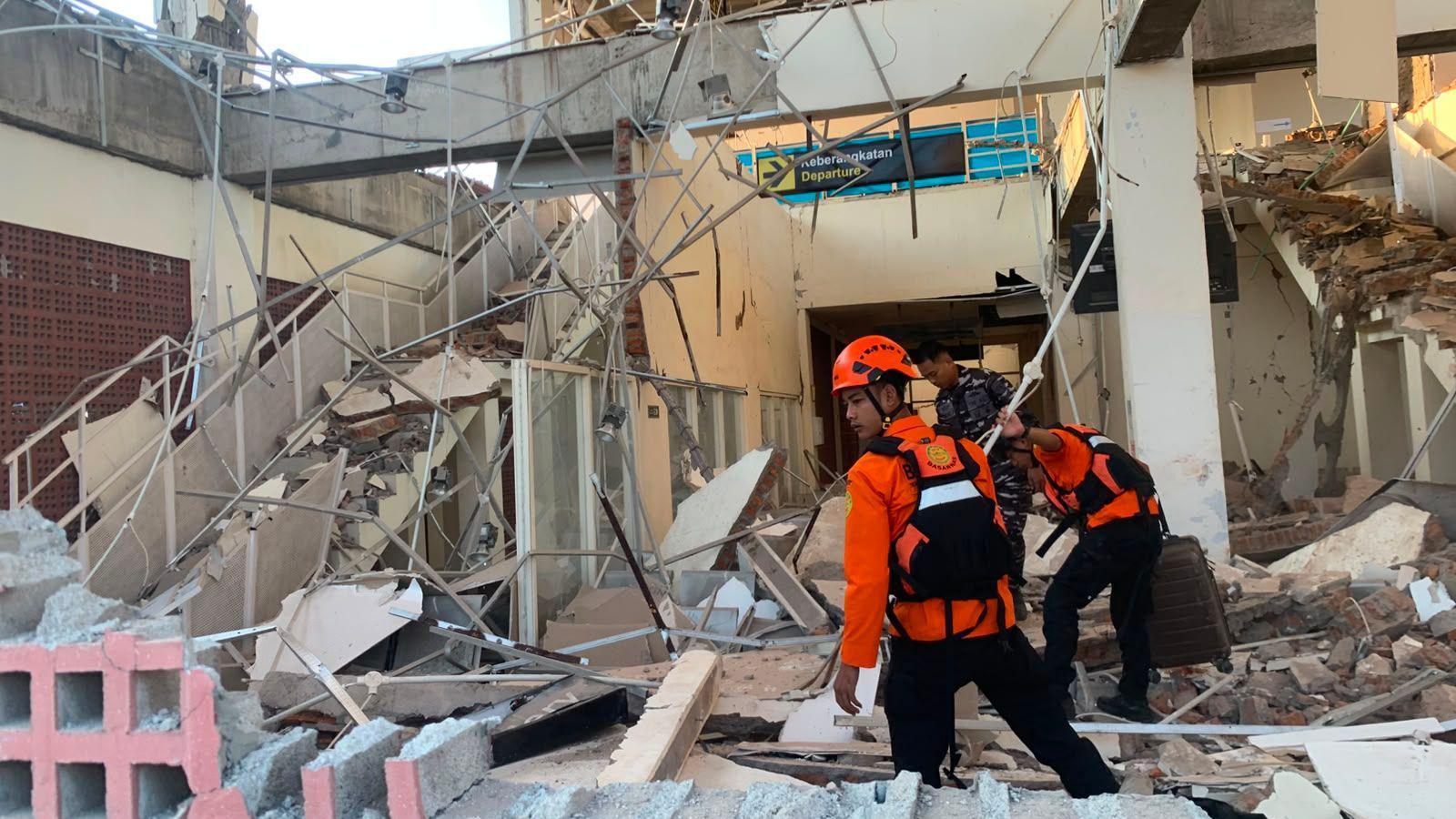
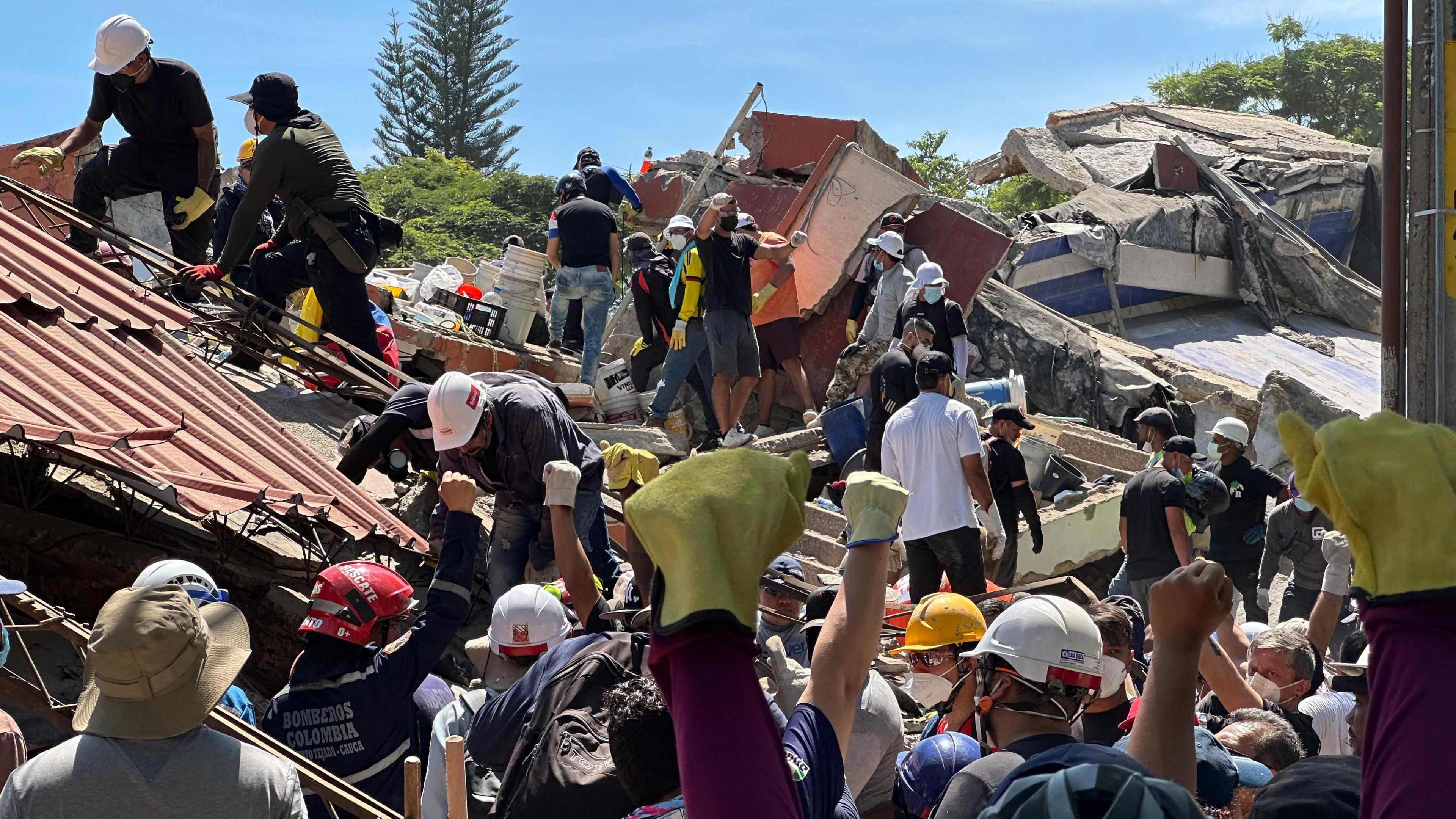
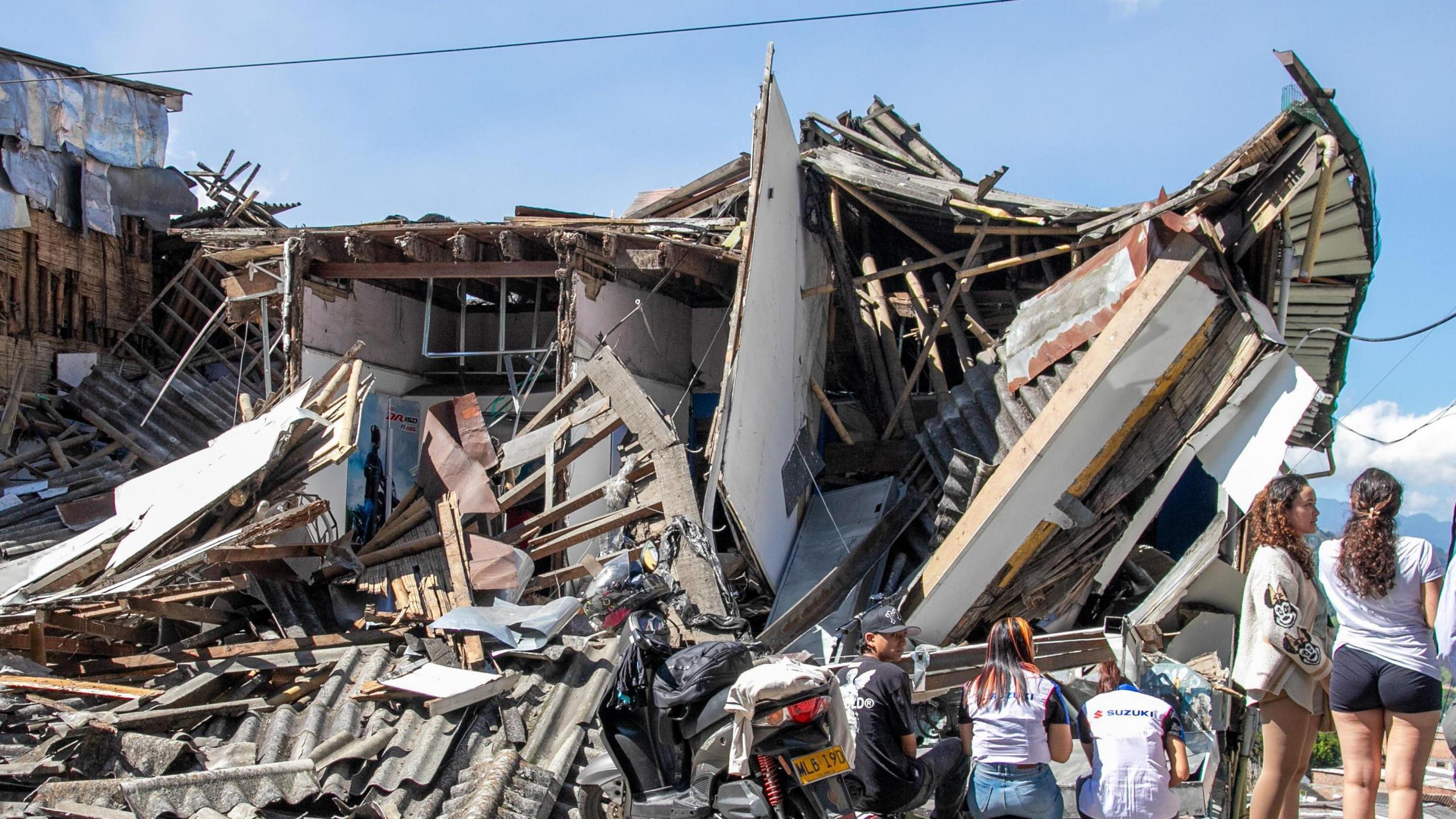
The quake’s force ripped through residential and commercial buildings, leaving a trail of collapsed walls, shattered windows, and twisted steel. Emergency crews have reported that at least 169 people perished and dozens more suffered serious injuries. The toll is expected to rise as rescue operations unfold under harsh conditions.
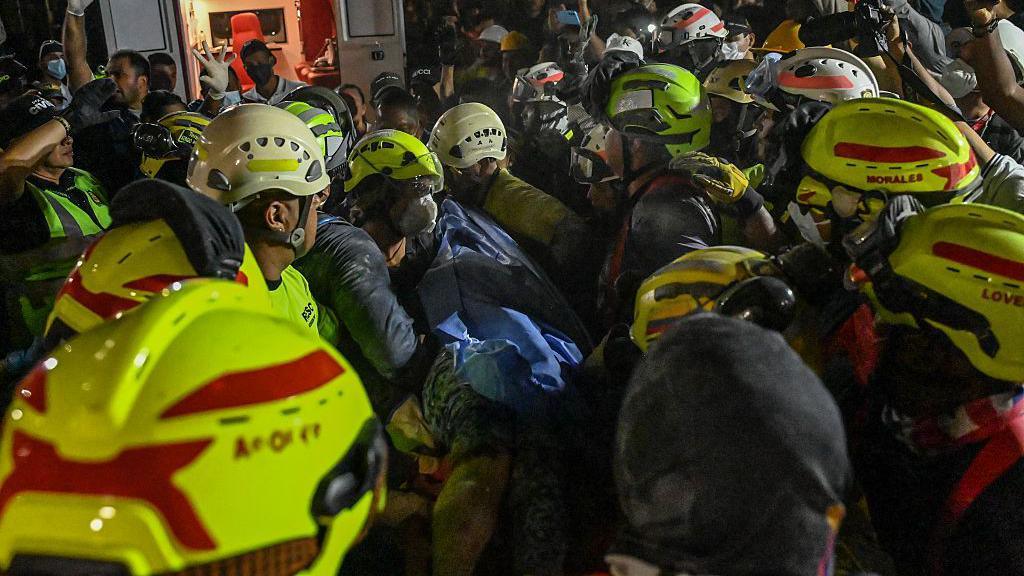
Search-and‑rescue teams from the Colombian National Police, the Army, and international partners are combing through the rubble, utilizing drones and specialized equipment to locate individuals trapped beneath the shattered structures. In many cases, families desperately wait for the return of loved ones, hoping against all odds that those inside the wreckages will emerge unharmed.
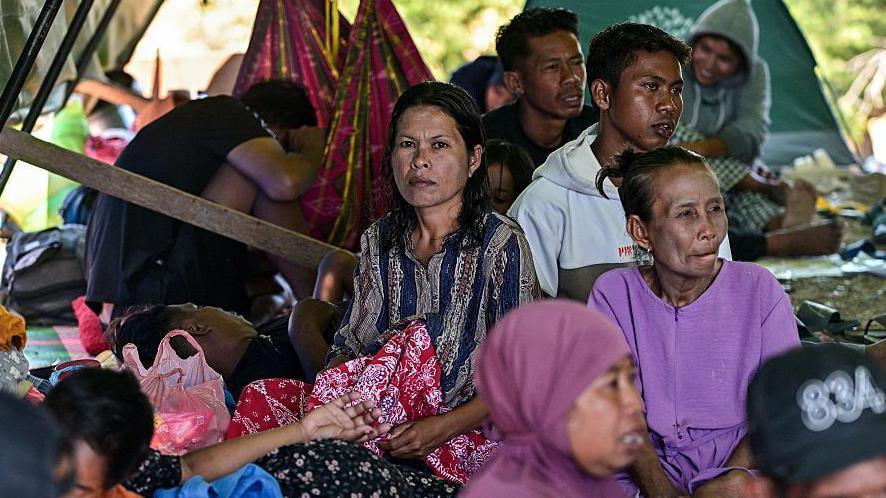
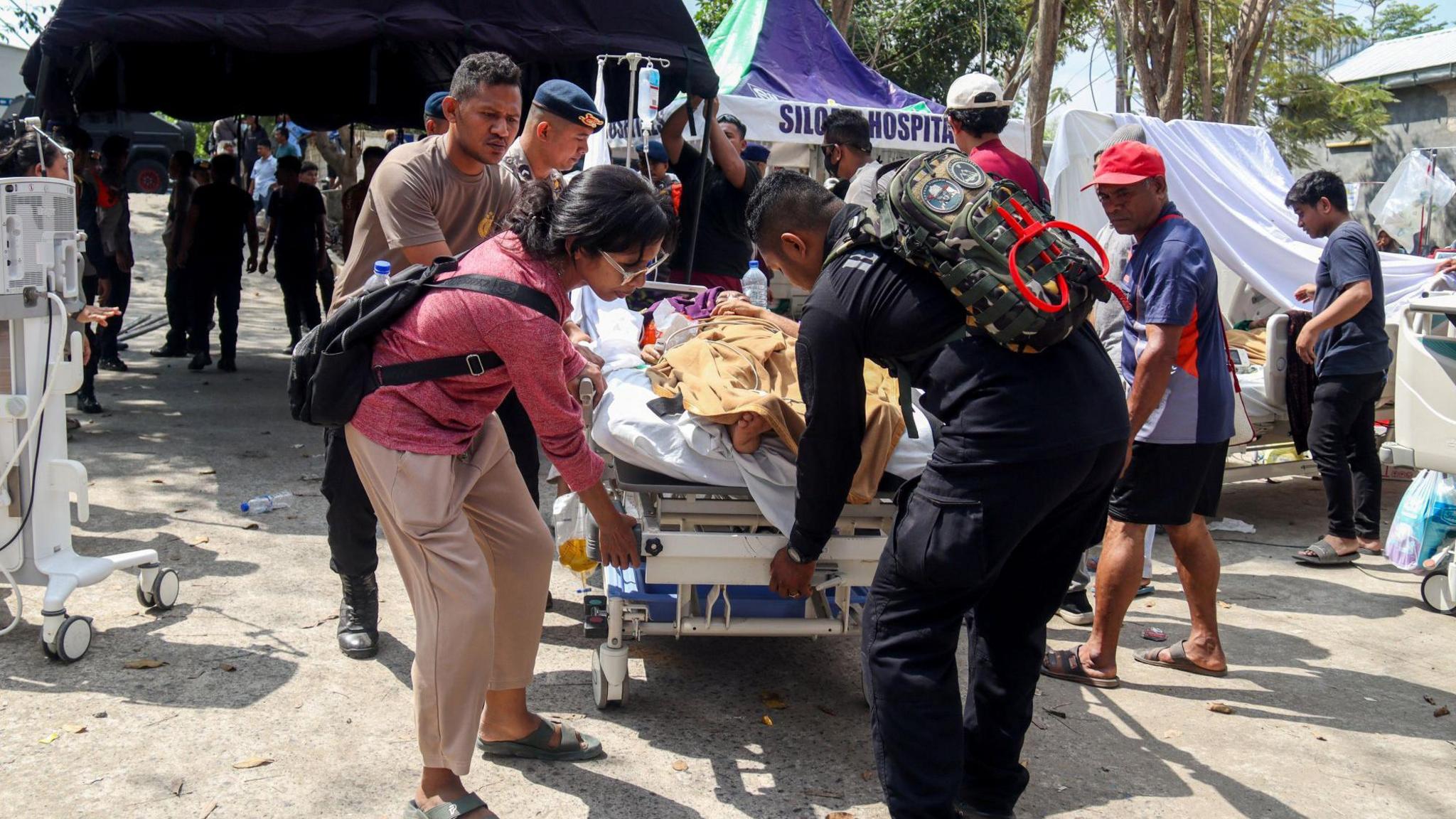
Authorities have set up temporary shelters for displaced residents, allocating humanitarian aid such as blankets, food, and clean water while medical teams treat the wounded in makeshift field hospitals. The city’s infrastructure, which had endured routine tremors in recent months, was strained to the limit on that day, prompting officials to mobilize around the clock resources.
While the physical damage is evident, the psychological impact on the streets of Cali remains profound. Community centers and local churches have begun hosting counseling sessions to help residents cope with grief and survivor’s guilt, underscoring the fragile balance between disaster response and mental health support.
International bodies, including the United Nations and the International Red Cross, have pledged additional assistance. Pending the official assessment, the national government may declare a state of emergency to expedite the deployment of additional resources and volunteers.
In the days ahead, the focus will remain on locating the missing, caring for the injured, and restoring essential services. For now, the shaken city of Cali faces a daunting path to recovery, but the resilience of its residents offers a beacon of hope amid the darkness.