
In brief
As Marineland Antibes prepares to shut down, the future of its two captive killer whales, Wikie and Keijo, hangs in the balance with conflicting opinions on their potential relocation.
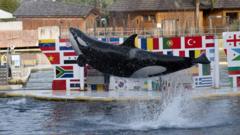
The fate of the two captive killer whales at Marineland Antibes in France is increasingly uncertain as the marine zoo prepares to close its doors following new animal welfare legislation. This closure, initiated due to laws prohibiting marine mammal performances, has sparked debates among animal welfare advocates and zoo management regarding the whales' future.Marineland, located on the picturesque French Riviera, permanently ceased operations on January 5, following the enactment of the legislation which bans the use of orcas and dolphins for entertainment. The marine zoo, which boasts being the largest of its kind in Europe, is home to two orcas: Wikie, 23, and Keijo, her 11-year-old son. The management of Marineland has voiced concerns regarding the viability of their business without the shows, which attract a significant portion of their visitors.Since the impending closure, several options have emerged for relocating the two orcas, but no consensus has been reached. Experts caution against freeing Wikie and Keijo into the wild due to their lifelong confinement, arguing that it would be akin to releasing a domesticated animal into the wilderness. Hanne Strager, a marine biologist and author of *The Killer Whale Journals*, highlighted the intimate bonds the orcas have formed with humans throughout their lives, stating that they depend on their human caregivers for sustenance and companionship. While some propose sending the orcas to Japan, the French government has already rejected this plan, citing the need for stringent welfare standards. Another option is a marine zoo in Tenerife, Spain, where the conditions meet European welfare standards, but campaigners express fears that it would still mean the orcas would be subjected to performances.World Animal Protection (WAP) advocates for a different approach, urging for the transfer of Wikie and Keijo to a sanctuary that would mimic their natural habitat in a controlled environment. The Whale Sanctuary Project (WSP) in Canada has proposed a 40-hectare area of enclosed ocean to provide the orcas with ample space while being monitored by veterinarians and welfare workers.Drawing parallels from history, WAP points to the case of Keiko, the star of *Free Willy*, who faced challenges after being released into the wild. Experts underline the psychological complexities involved in transitioning captive orcas into different environments, raising concerns about whether such change would be beneficial or traumatic for them.The ongoing scenario at Marineland Antibes forms part of a larger movement against marine zoos, gaining traction over recent years. The campaign gained notable attention in 2017 when actress Pamela Anderson protested for the closure of the facility. Similarly, the documentary *Blackfish*, which scrutinized the treatment of orcas in captivity, highlighted the potential dangers of keeping these intelligent creatures confined.As the clock ticks down to Marineland's closure, the plight of Wikie and Keijo serves as a focal point for the broader conversation regarding animal rights, welfare, and the ethical implications of captivity in entertainment. Stakeholders grapple with the urgent need to ensure the future well-being of the orcas in an ever-evolving landscape of animal welfare policies.

