
In brief
China’s commerce ministry condemned the UK government’s decision to bring British Steel under public ownership, asserting it infringed on Jingye Group’s rights and damaged confidence of Chinese investors. The UK cites job protection and safeguarding national capability as reasons for the takeover. The move could strain UK‑China relations just as new Prime Minister Andy Burnham prepares to assume office, forcing Britain to balance economic ties with the world’s second‑largest economy. China threatens to monitor developments and support Chinese firms, while the UK plans to evaluate compensation and later eventual sale or continue operation under public control.
China has condemned the United Kingdom’s decision to nationalise British Steel, calling it "firmly opposed" and "strongly dissatisfied".
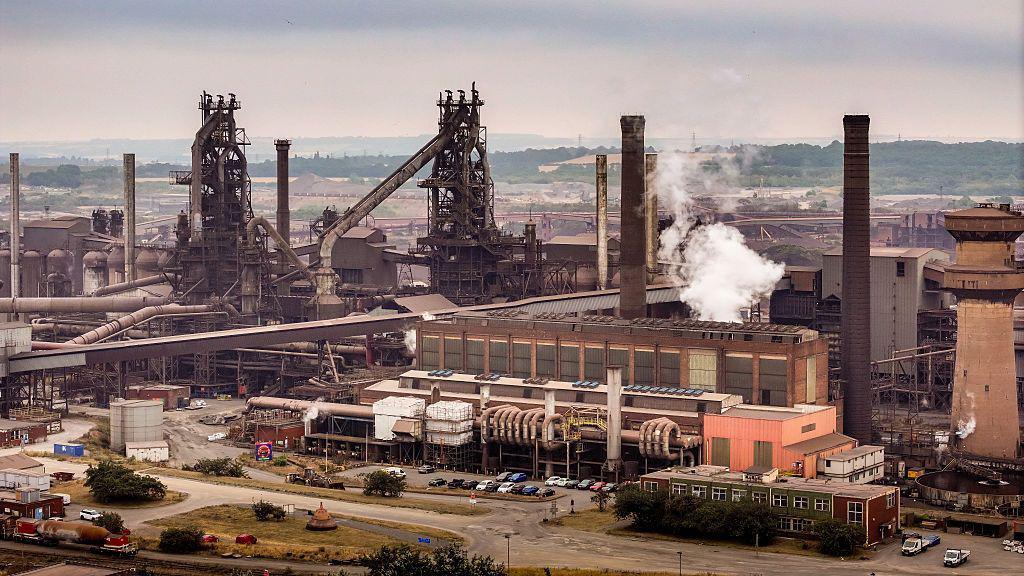
Mr Peter Hoskins reports that the UK government argued the move protects jobs and preserves a “vital national capability”. Last year the UK took control of operations in Scunthorpe but the company remained owned by China’s Jingye Group, limiting the government’s ability to steer its future.
Chinese commerce officials said the nationalisation "seriously infringed upon Jingye’s legitimate rights and interests and severely undermined the confidence of Chinese companies investing in the UK".
Beijing urged Britain to "faithfully fulfil" its obligations under the 1986 China‑UK Bilateral Investment Treaty and warned that the forceful takeover could damage long‑term investment relations.
The decision comes as Andy Burnham prepares to take office, meaning the new Prime Minister will need to weigh the economic benefits of an alliance with the world’s second‑largest economy against the cost of the nationalisation.
The UK government has said it negotiated with Jingye but was unable to reach an agreement that would protect taxpayer value. The company is quoted to be losing £700,000 a day.
Small Business Minister Blair McDougall announced an independent valuer will assess compensation later this year; it could be nil and the government will keep the plant running for the near future.
British Steel continues to employ around 2,700 workers directly and supports thousands more in the supply chain. The UK still imports most of its steel, but retains a strategic domestic plant that produces products not yet made elsewhere in the country.
The current blanket of public ownership reflects a shift from a previous strategy that favoured electric arc furnaces – cleaner, cheaper production – yet the Scunthorpe plant remains critical for certain rail and construction products.
This marks the first state ownership of British Steel since 1988, when the Thatcher government privatised the firm.
