Chinese people will pay a 13% sales tax on contraceptives from January 1, while childcare services will be exempt, as the world's second-largest economy attempts to boost birth rates. An overhaul of the tax system announced late last year removes many exemptions that were in place since 1994, when China was still enforcing its decades-long one-child rule.
This reform also exempts marriage-related services and elderly care from value-added tax (VAT) – part of a broader effort that includes extending parental leave and issuing cash handouts. Faced with an aging population and sluggish economy, Beijing has been trying hard to encourage more young Chinese to marry and have children.
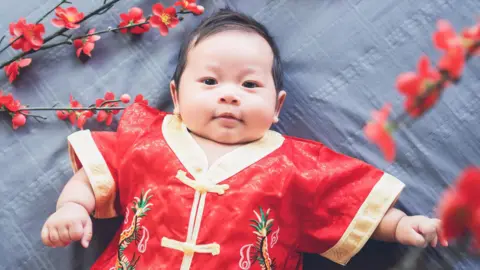
Official figures show that China's population has shrunk three years in a row, with only 9.54 million babies born in 2024, about half the number from a decade ago. However, the contraceptive tax has sparked concerns about unwanted pregnancies and ridicule on social media, with many arguing that financial incentives are insufficient to motivate childbearing.
Some see the move as symbolic, an indication of the government’s struggle to cope with economic challenges, while others worry about the implications for society and individual choices. A retail shop even advised customers to stock up on contraceptives ahead of the price hike, as individuals contemplate the broader financial impact of raising children in one of the most expensive countries for child-rearing.
The discussion illuminates the complex pressures on younger generations, balancing between societal expectations, financial burdens, and personal lifestyle choices, raising questions about the future of family planning in China.