China Silences Public Mourning as Premier Zhu Rongji’s Funeral Takes Place
Flags at government sites are flying at half‑mast and security vehicles are parked in the heart of Beijing, as China mourns former Premier Zhu Rongji.
Zhu died last week at age 97, and the funeral in Beijing on Tuesday was kept very low‑key. No footage of the ceremony was released, and the event was mainly a formal homage attended by senior leaders, including President Xi Jinping, Premier Li Qiang and former president Hu Jintao.
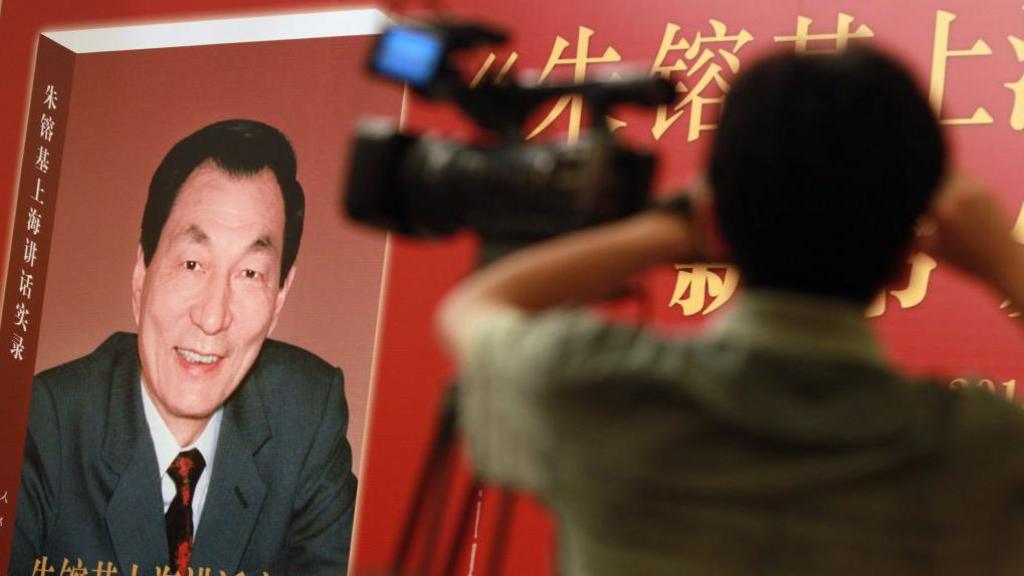
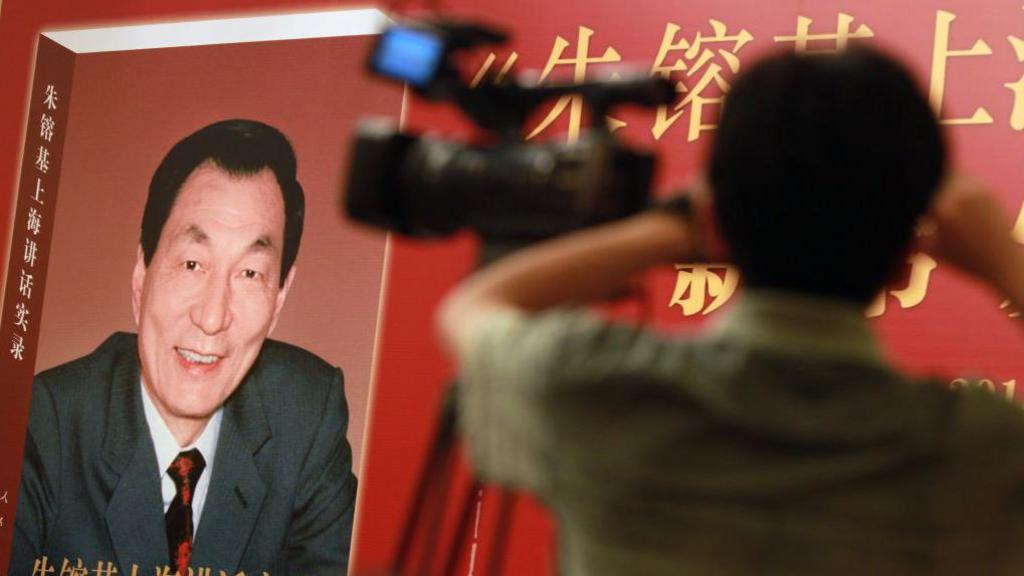
During his tenure as premier from 1998 to 2003, Zhu guided China through sweeping economic reforms, shuttering unprofitable state enterprises, opening up to global trade and ultimately securing China’s entry into the World Trade Organization in 2001.
The Chinese state is wary that public mourning for Zhu could easily morph into a platform for critics of the present administration. Recent internet posts recalling Zhu’s era were swiftly censored, including an essay by economist Zhao Jian that praised the period’s optimism and the slow pace of change.
Zhao’s remarks were deleted from WeChat the day after publication, underscoring the regime’s apprehension that nostalgia might be a conduit for dissent. The deaths of earlier figures such as Zhou Enlai and Hu Yaobang in 1976 and 1989, respectively, had triggered wide‑spreading grief that eventually escalated into protests.
Zhu’s funeral occurred just days before the Communist Party’s centenary celebration for former president Jiang Zemin, whose era of reform parallels Zhu’s. The concurrent remembrance of these two leaders highlights a wave of nostalgia among many Chinese citizens, a longing for a period when the country seemed poised for greater openness and economic promise.
State media framed Zhu as an "outstanding member of the Chinese Communist Party" and a "time‑tested and loyal Communist fighter," reinforcing the official narrative that underpins the current political discourse.
Xi has now emphasized continuity with Jiang’s legacy, advocating for a renewed focus on technological autonomy and state‑led industrial policy to counter China’s slowing growth, high youth unemployment and declining factory output. In a 40‑minute speech, he urged the Communist Party to "carry forward" Jiang’s legacy, portraying the present leadership as an extension of that historical trajectory.
Professor Kerry Brown of King’s College London warns that Xi’s narration aims to prevent the public airing of alternative views, insisting that the past be subsumed into a unified historical narrative that confirms the party’s version of progress. Yet as China faces economic headwinds, many citizens wonder if the promise of prosperity is still attainable, a reflection echoed in Zhao Jian’s essay that asks why people feel emotionally empty despite material abundance.