
In brief
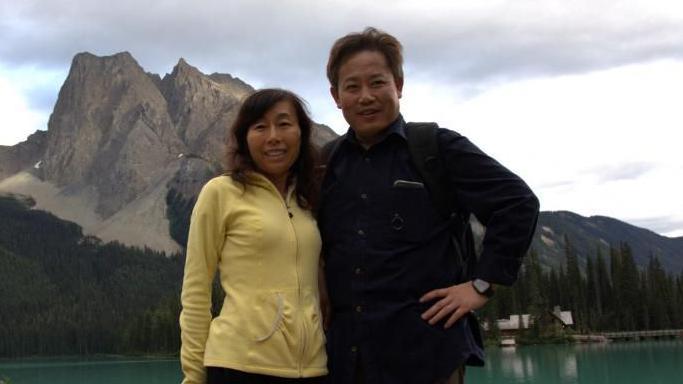
China has detained Dr. Chen Youlin, a U.S. citizen and seismologist for two years who tracked nuclear tests in Asia. Family representatives and the Global Reach advocacy group say he was arrested in November 2024 while visiting Beijing and faces indefinite detention. Chen’s work, centred on North Korea’s nuclear program, involved data-sharing with Chinese colleagues. Beijing denies any wrongdoing, citing lawful judicial procedures, while U.S. officials urge his release citing his health and the precedent it sets for academic exchange. The case follows China’s recent arrest of another U.S. scholar, highlighting heightened tensions around scientific collaboration and national security.
China announced on Wednesday that it had arrested U.S. citizen Dr. Chen Youlin, a seismologist who spent nearly two years monitoring nuclear tests in Asia, on espionage charges. The family‑led group Global Reach says the 54‑year‑old was seized in November 2024 while visiting Beijing to see relatives.
Chen’s wife, fellow seismologist Rong Yufang, has explained that his collaborative projects with Chinese scientists were transparent and public. She cites papers that analysed seismic data from across the continent to improve nuclear‑test monitoring, with a focus on North Korea’s underground detonations.
China’s foreign ministry says the case is being handled in accordance with law, dismissing claims that Chen is wrongfully detained. In China, espionage convictions can carry life imprisonment or the death penalty.
The detention has raised questions about the safety of scientists who work across borders. U.S. Senator Edward Markey urged Beijing to release Chen, citing the specialist’s health problems—diabetes, high blood pressure and high cholesterol—and warning that his treatment could influence international academic collaboration.
This case follows the recent arrest of another U.S. scholar, Min Zin, a director at a Myanmar‑focused think tank. Beijing accuses Min Zin of spying, echoing a broader pattern of tightening controls over foreign experts.
Until now, no information has been released on Chen’s exact charges or the length of his detainment. The family’s statements, released via Global Reach, detail more than a thousand interrogations and a year and a half without legal counsel.
