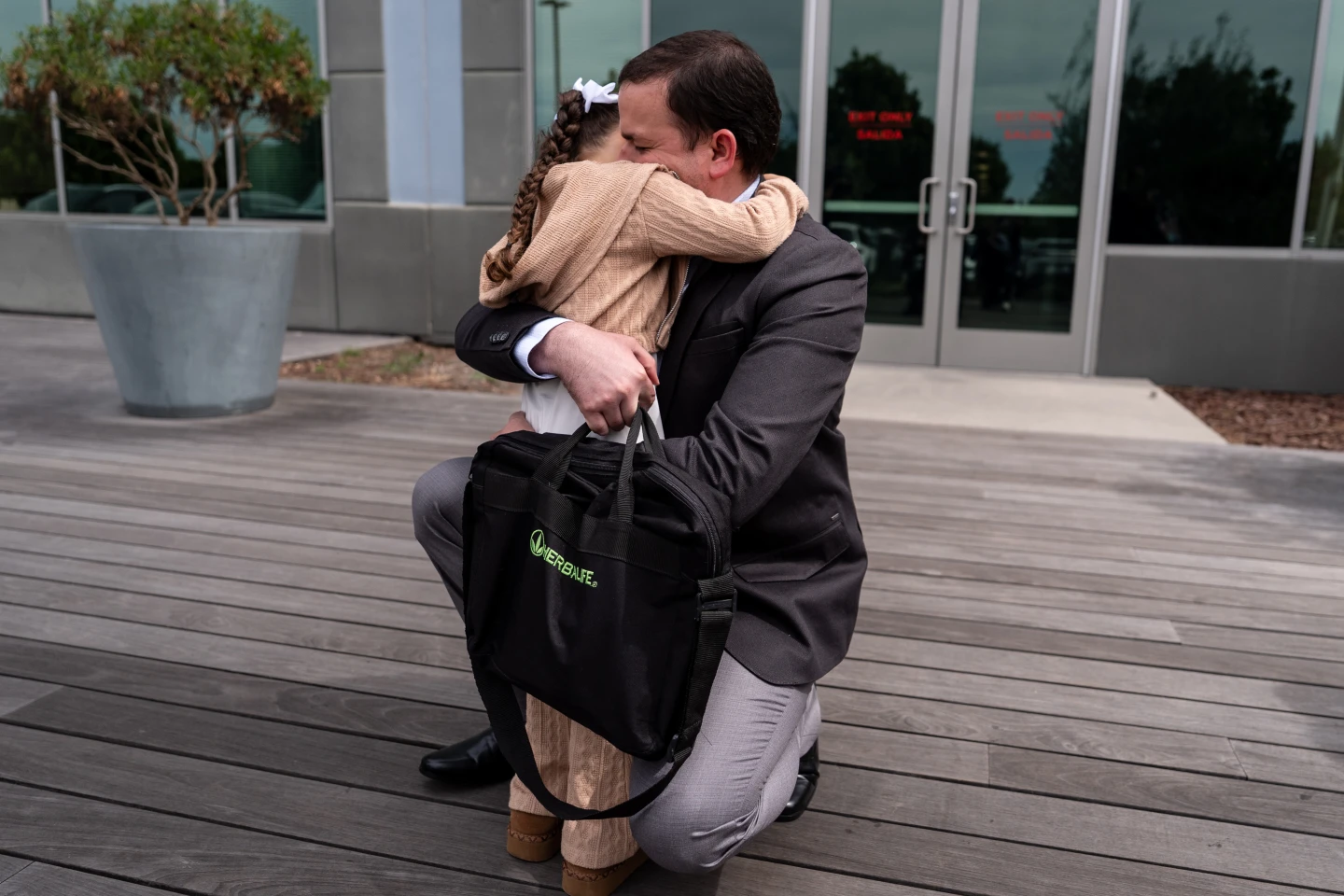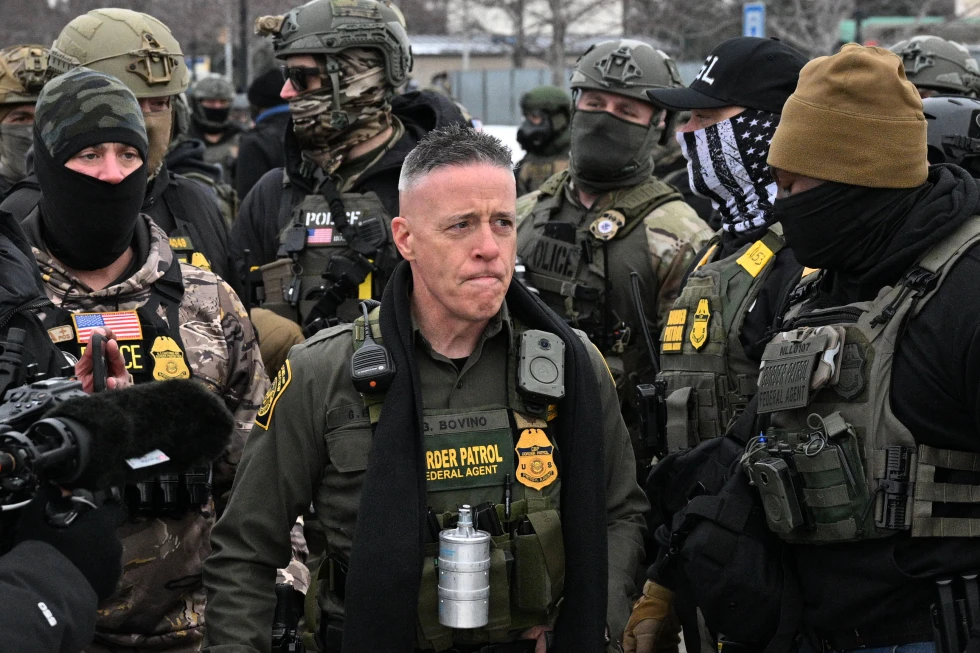
In a high-profile case currently unfolding in Chicago, Juan Espinoza Martinez, a 37-year-old carpenter, has found himself in the grip of a federal trial for the charge of murder-for-hire. Central to this case is an allegation that he utilized Snapchat to extend a $10,000 bounty on the life of Gregory Bovino, a Border Patrol commander known for rigorous immigration enforcement activities.
The trial represents a significant intersection of social media and law enforcement, illustrating how digital communications are increasingly being scrutinized in the context of criminal proceedings. Testimonies showcased Snapchat messages allegedly sent from Espinoza Martinez to a friend—an undercover informant—expressing a desire to have Bovino “taken down.”
Prosecutors conveyed to the jury that such messages are not to be taken lightly, characterizing them as evidence of a serious intent rather than casual conversation. Jason Yonan, First Assistant U.S. Attorney, emphasized during the closing arguments, “Those words do not indicate that this was a joke. They are not innocent and harmless words.”
However, defense attorneys argue that the prosecution has failed to substantiate their claims, leaning heavily on the notion that the messages were nothing more than informal “gossip” shared among friends. Espinoza Martinez’s lawyer, Dena Singer, stressed that such casual exchanges conveyed after a long day's work with beers involved do not amount to a federal crime.
“Sending a message about gossip that you heard in the neighborhood, it’s not murder for hire,” she stated.
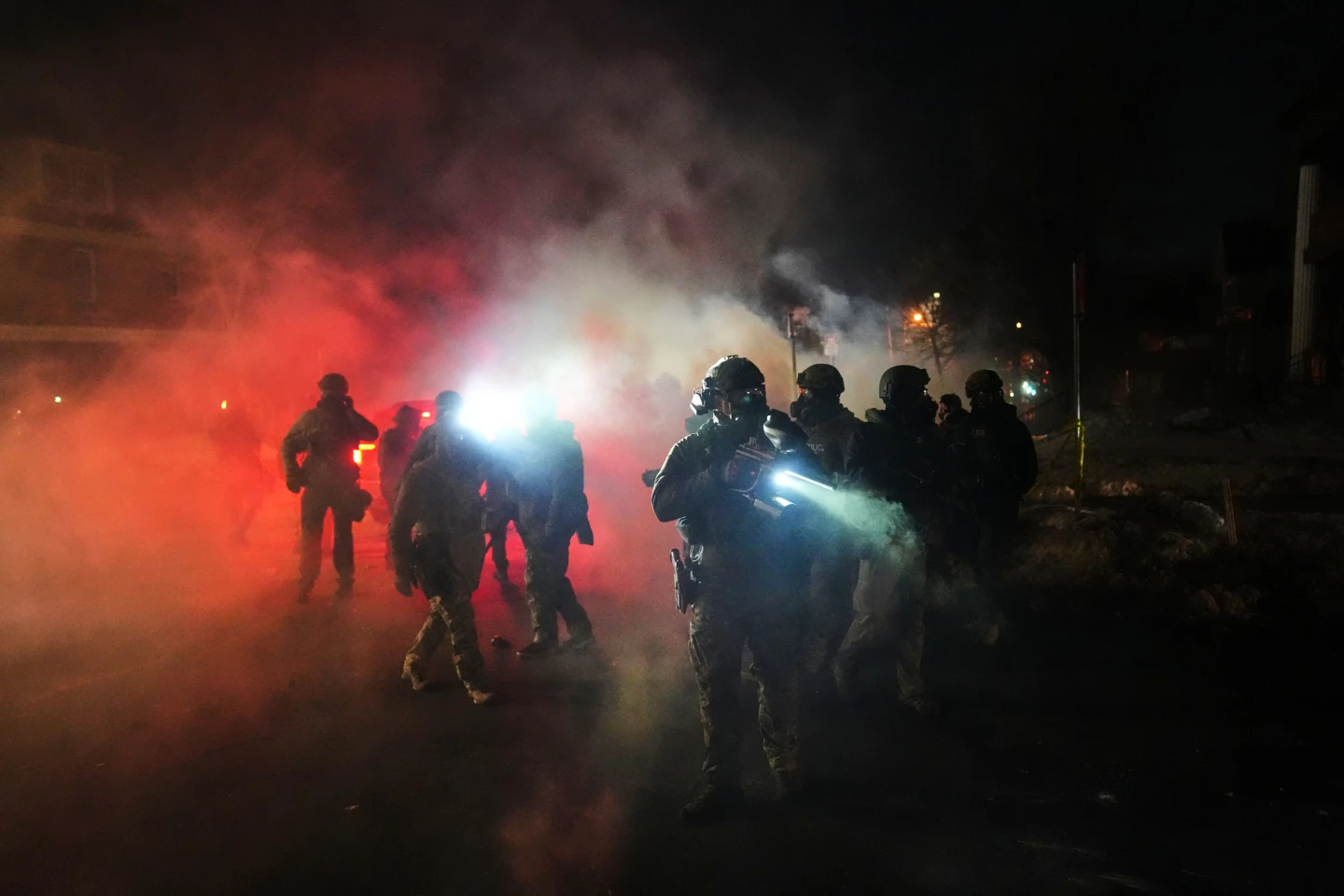
If convicted, Espinoza Martinez could face up to 10 years in prison. His arrest comes amid widespread federal scrutiny in Chicago, where tensions have escalated over immigration enforcement efforts. Protests and arrests have become frequent occurrences, particularly in neighborhoods with large immigrant populations.
Critically, Espinoza Martinez did not take the stand during the trial. Instead, clips of a law enforcement interview displayed his confusion about the charges laid against him, during which he maintained his stance of not threatening anyone. “I didn’t threaten anyone,” he explained, alternating between English and Spanish.
This case spotlights the intensifying scrutiny surrounding the government's actions in instances of alleged gang involvement and highlights a broader narrative of skepticism regarding federal prosecution strategies related to immigration enforcement in Chicago.