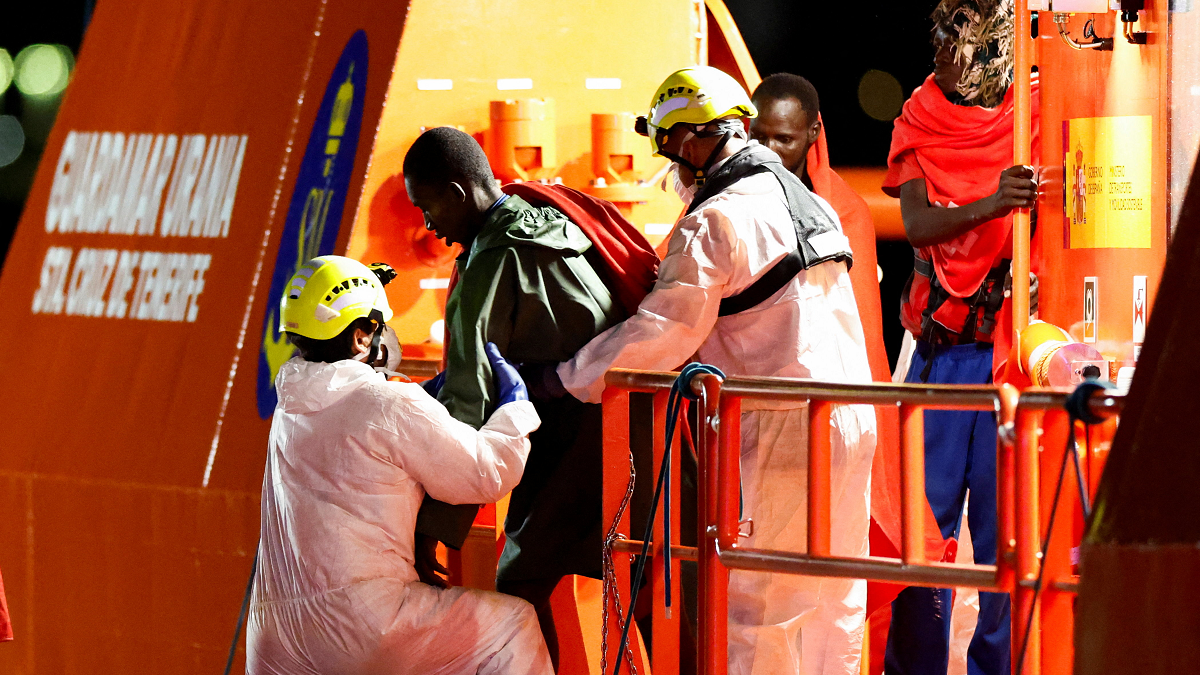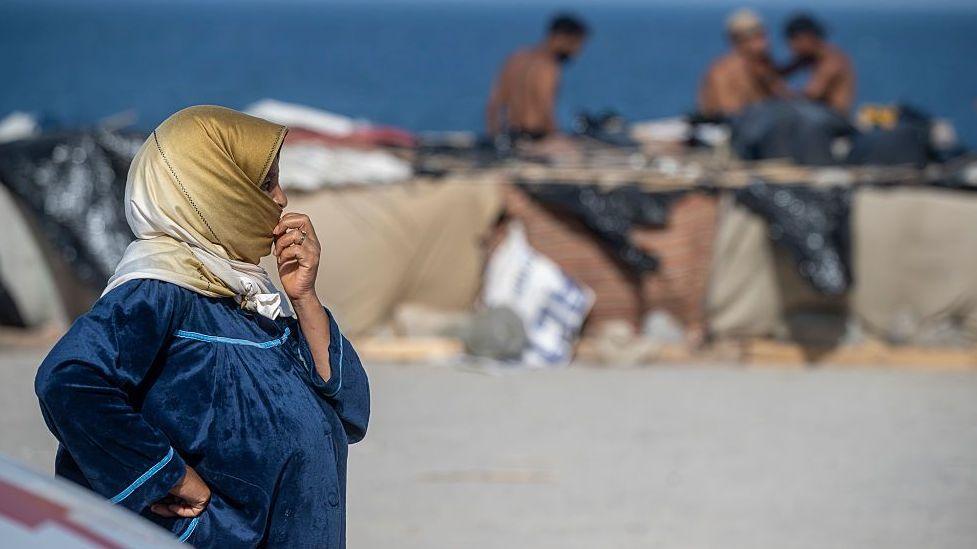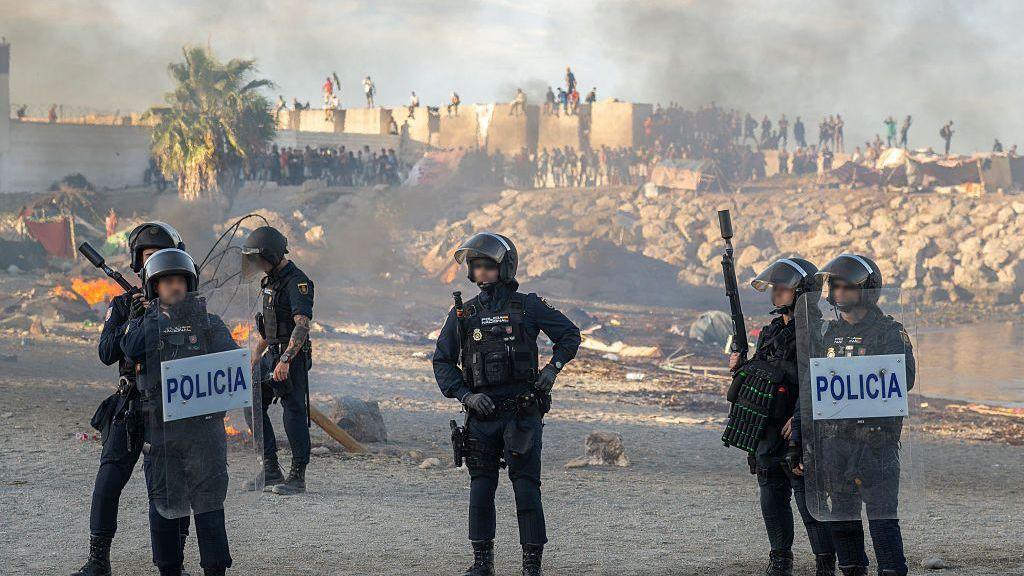
Between 3,000 and 5,000 people remain in the Spanish territory of Ceuta after an unprecedented influx that saw roughly 78,000 migrants arrive over a span of two days. The isolated North‑African enclave insists that the situation is far from resolved, with the mayor‑president, Juan Jesús Vivas, outlining the humanitarian emergency that continues to affect local residents.
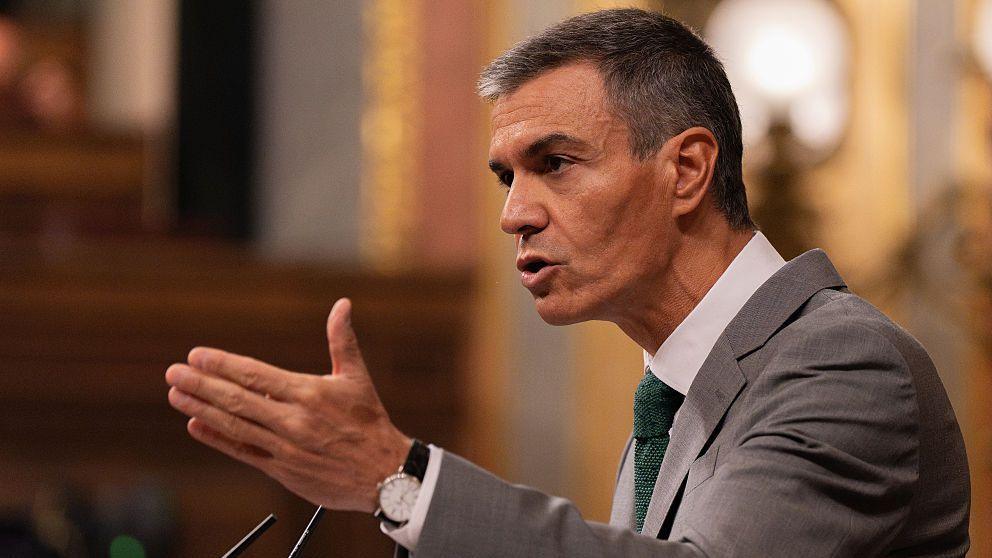
Vivas alerted the European Parliament with an expression of profound sorrow and described the tragedy that took the lives of 100 people in the immediate aftermath of the arrival. He criticised the Spanish government for a delayed response and highlighted a lack of resources to manage the crisis effectively.
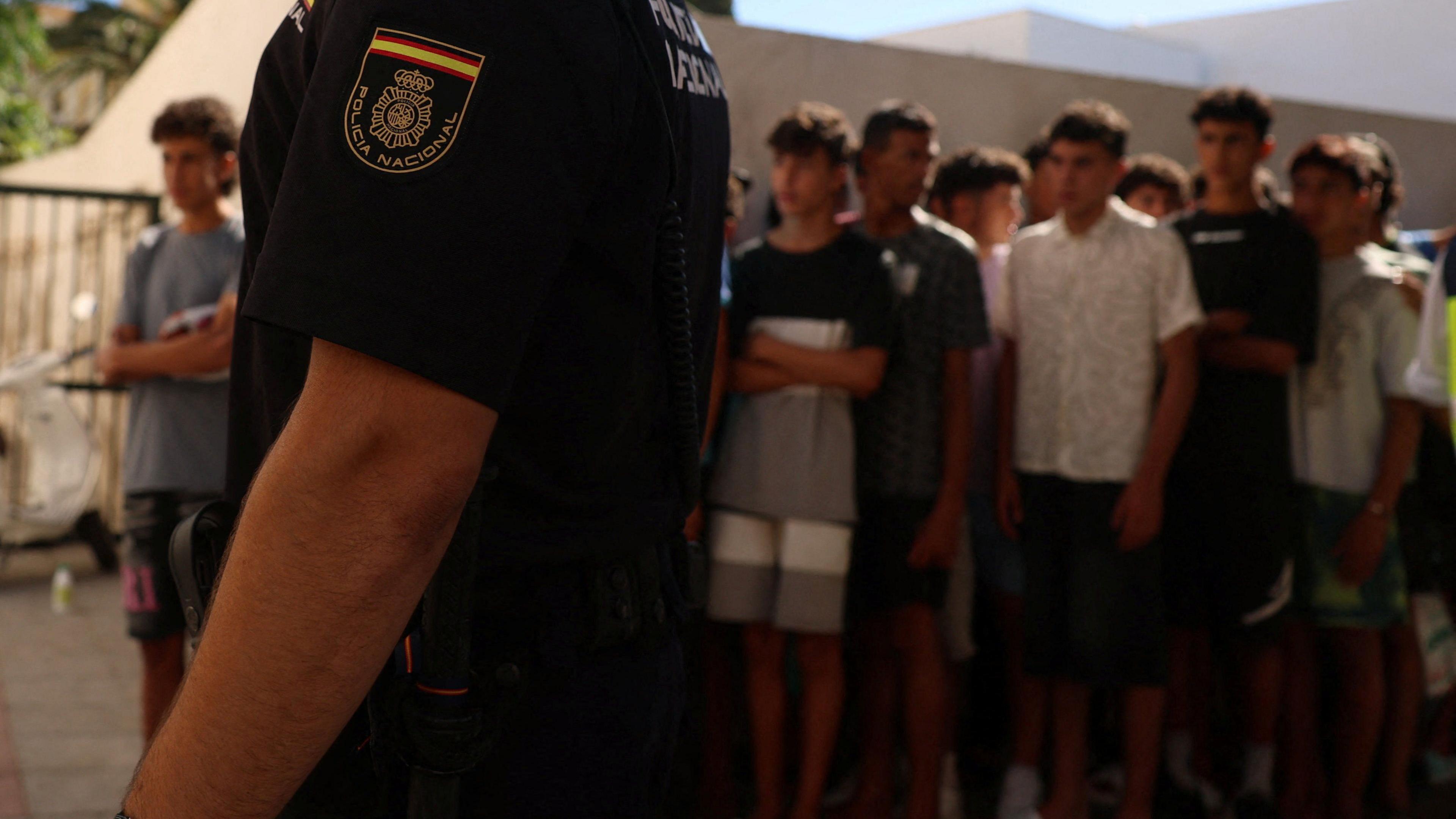
Spain’s interior minister announced a €25 million package to aid children stuck in Ceuta, yet reports indicate 4,860 children, more than double official estimates, have been registered by volunteer groups. Requests to relocate these minors to the mainland have stalled, with local authorities refusing to meet the demand. The situation has steadied little since the large wave of return that saw close to 75,000 migrants head back to Morocco.
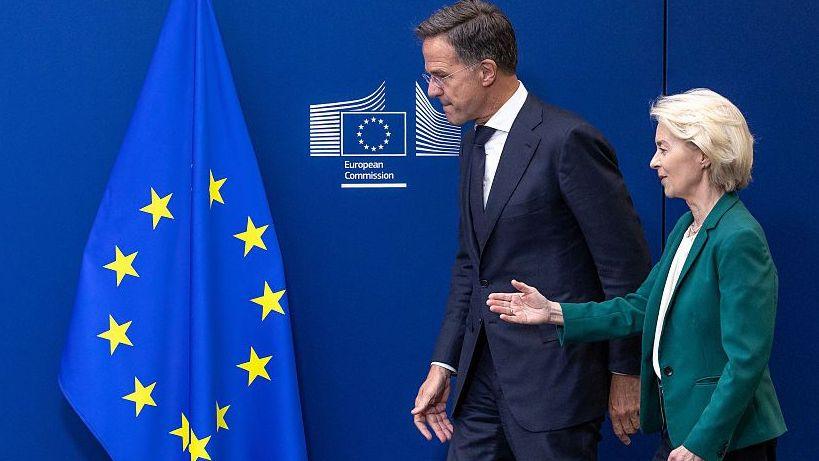
The EU Commission praised Spain for a swift deployment of armed forces, but officials note that this action was only undertaken after the Supreme Court decision that prohibited the summary return of people caught at sea. Ambassador Magnus Brunner points to looming criminal networks that propagate misinformation on social media, fueling new mass crossings that mirror the July event.
The crisis has tested Moroccan‑Spanish relations, with Morocco accusing the Spanish judiciary of compromising deterrents and consequently ignoring risk warnings. Calls for coordinated mass crossings have resurfaced online, contravening Moroccan warnings against irregular migration. Meanwhile, a diplomatic rift across the Schengen area has emerged, with Italy suspending the arrangement and the Czech Republic urging Spain’s suspension of membership.
Despite the turmoil, the EU stands ready to bolster cooperation, and Spanish officials maintain that any remaining migrants will be returned promptly. The overarching concern remains: how to secure sustainable, long‑term solutions for the small enclave that lies at the heart of European Mediterranean migration policy.