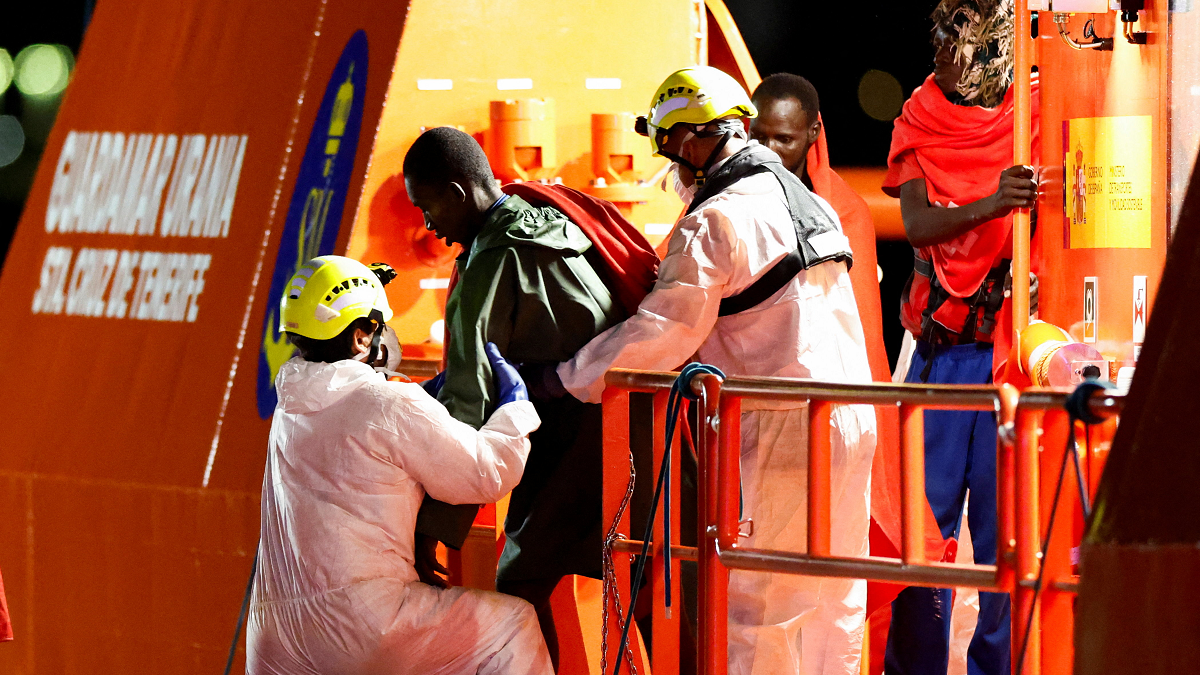
A surge of more than 70,000 refugees slipped across from Morocco into Ceuta on the last two days of July, triggering a wave of unrest in the Spanish city that sits on the African coast. Mortuary reports from Ceuta’s mayor estimate at least 100 lives were lost during the mass crossing, as many swam past a flimsy border fence.
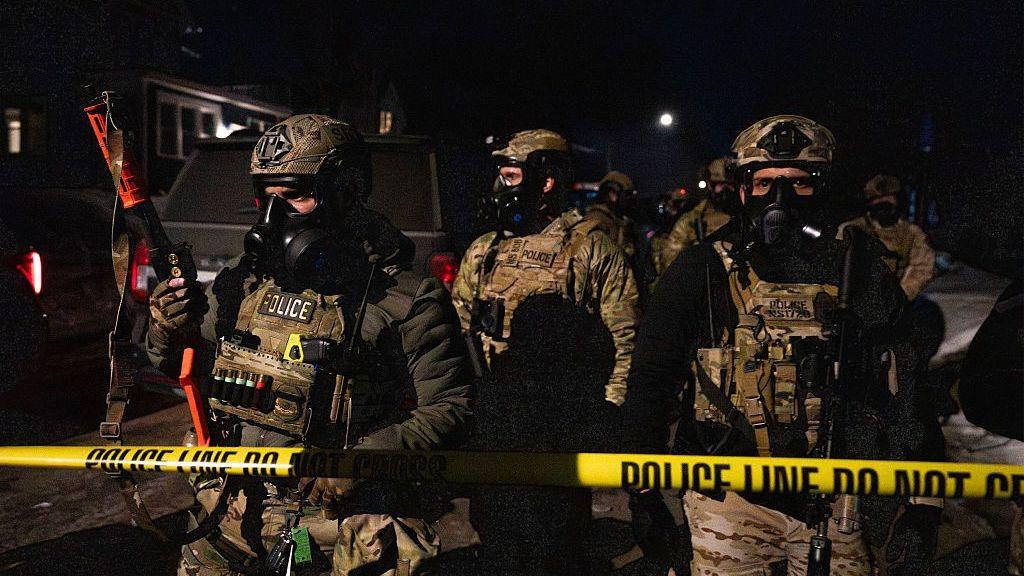
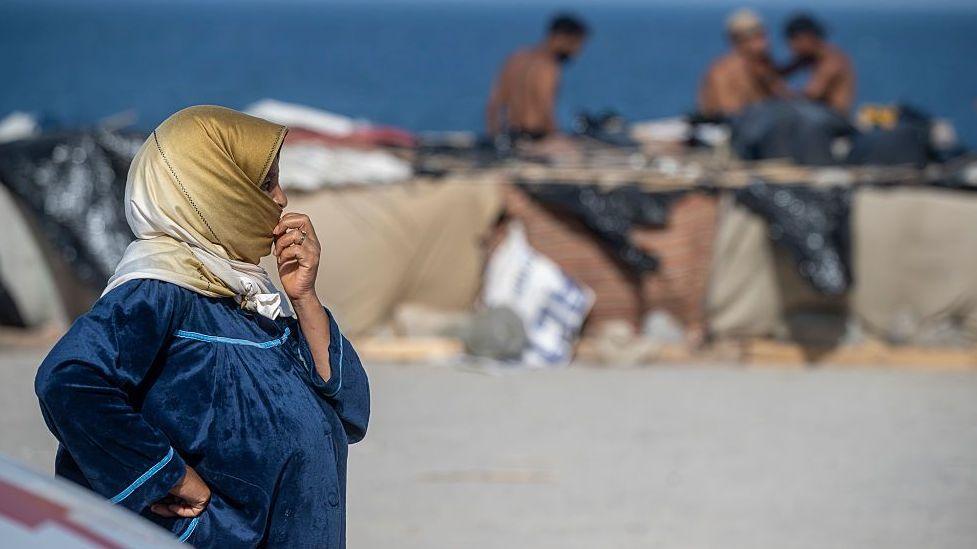
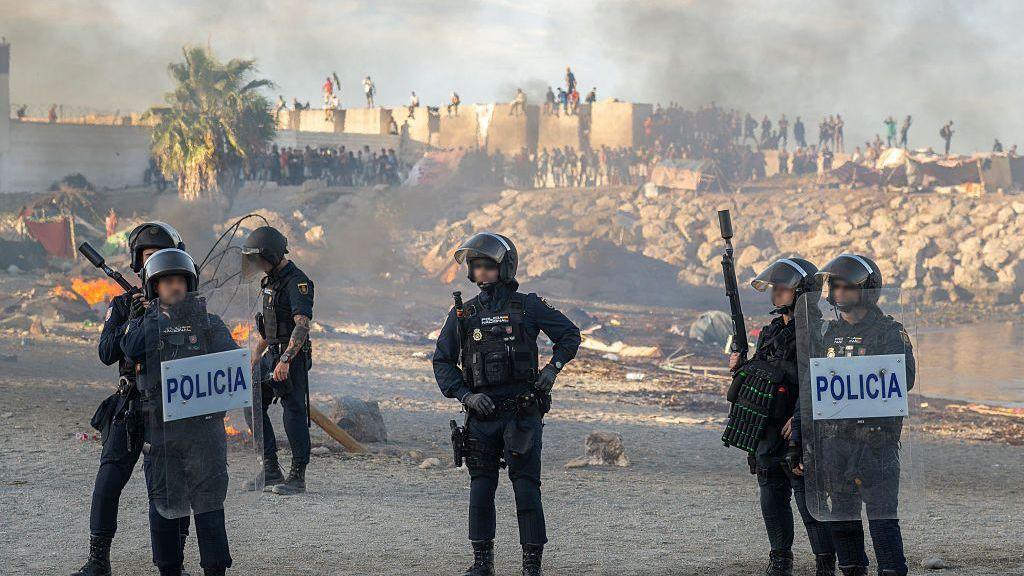
While most of the newcomers have returned to Morocco quickly, a few thousand remain in the city, sleeping on beaches and streets. Local residents have voiced fears of the hitherto unfamiliar people and of the strain on public services. The picture of Spanish armed police with riot shields confronting a crowd at Trampolín beach, followed by the burning of migrant tents, captured the escalating tempers.
Local officials and national politicians have been at odds. The mayor, Juan Jesús Vivas, accused the central government of ignoring his city’s needs, while Interior Minister Fernando Grande-Marlaska condemned rhetoric that fuels division. Journalists on the ground say they have been threatened, underlining the dangerous atmosphere.
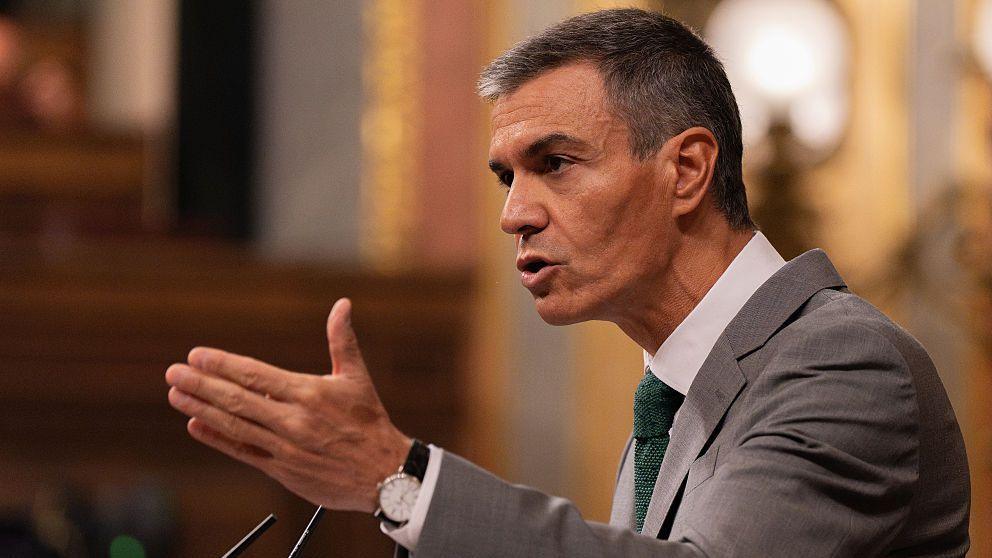
The Socialist government under Pedro Sánchez has urged calm but is pillaring its policies against far‑right claims of “hunting down” migrants. In a move meant to assuage local fury, Defence Minister Margarita Robles issued an apology to Ceuta citizens, saying some had felt abandoned by Madrid.
Beyond the city’s internal crisis, the incident inflames a broader geopolitical debate—Spain’s territorial integrity versus Morocco’s longstanding claims over Ceuta and Melilla. Foreign Minister José Manuel Albares publicly refuted any suggestion of a land dispute and underscored Spain’s stance on sovereignty. The conflict has highlighted the fragility of the city’s autonomy and the complex dance of national politics, migration law reforms, and regional anxieties.