In brief
Canada’s swift retaliation with tariffs follows a sharp exchange of rhetoric between Vice‑President JD Vance and Prime Minister Mark Carney. The move halted ongoing trade negotiations and introduced a 50% tariff on Canadian built vehicles that will take effect in 2027. The standoff highlights how America’s geopolitical strategy can still trigger market disruptions even after a long absence. Analysts warn that the fallout may reshape North American trade policy and influence the upcoming U.S. midterm elections.
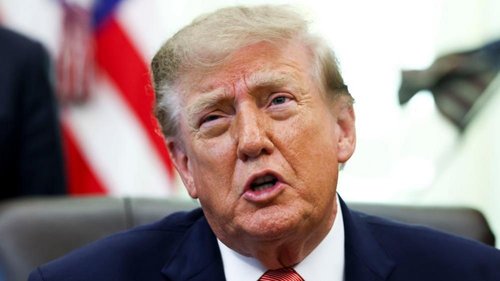
Trump’s Rhetoric Sparks Canadian Counterattack
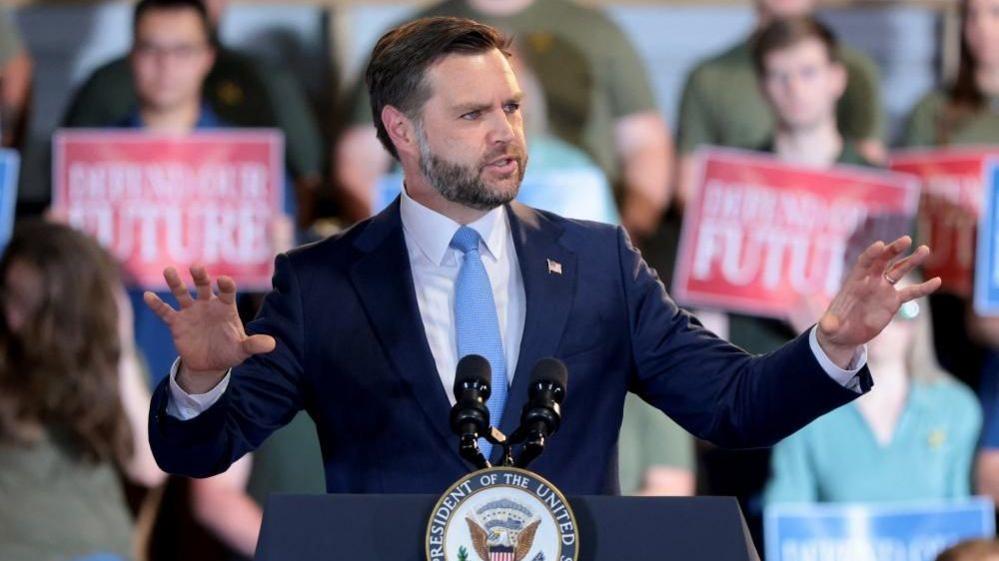
In a private audio clip that leaked to the Canadian Press, Vice‑President JD Vance praised Prime Minister Mark Carney as a “very sweet guy” before mocking his determination to out‑tough Donald Trump. Vance called the Canadian leader’s rhetoric “hilarious,” a jab that entered the public discourse and further strained fragile trade talks. The remarks came only days before the Canadians pulled their diplomats from the U.S. side, abruptly ending negotiations over a new trade agreement.
New Tariffs, New Divide
Canada has imposed a dollar‑for‑dollar tariff on a range of U.S. goods, hitting key product categories from oil to consumer items. The measure, set to take effect in two weeks, is a direct response to the U.S. report of a 50% tariff that will be applied to Canadian‑produced vehicles and auto parts in early 2027. These tariffs threaten to unravel a trade relationship that has generated more than $872 billion in annual commerce between the neighbours.
Optics for Trump’s Power Play
The Canada‑U.S. friction demonstrates that Trump’s strategy of using economic power to influence allies can still trigger sharply back‑pulses. While the United States has imposed high tariffs on commodity goods, Canada’s retaliatory action shows that it can leverage its own supply‑chain choke points to inflict economic pain and shake the U.S. hand in the diplomatic arena. A hurdle of forecasting lies in the U.S. midterm elections next November, which may either curb Trump’s influence or embolden him, depending on how the trade war plays out with Canadian partners.
Future of North American Trade?
Carney has indicated a desire to move Canada away from dependence on traditional alliances after the new tariff conflict. That shift raises questions about whether Canada will seek new partners outside the U.S. or realign to a more balanced trade structure that reduces the United States’ economic advantage. The current dispute could become a textbook case on whether Canadian businesses can stand firm against a powerful neighbour and whether the U.S. will continue to rely on its dominance to win allies.
For now, the next step in the standoff will be determined by how long the truce between Canada’s economic retaliation and the upcoming U.S. tariff on vehicle parts can last. The two-week lag between Canada’s tariffs and the U.S. response provides a window for negotiations, but it also serves as a caution that further escalation is possible if the parties lose patience. The outcome of this saga will influence the broader trade environment across North America and beyond, setting a precedent for how a neighbour can counter a dominant economic power.