'The answer cannot be nothing': The battle over Canada's mystery brain disease
In early 2019, officials at a hospital in the small Canadian province of New Brunswick noticed that two patients had contracted an extremely rare brain condition known as Creutzfeldt-Jakob Disease, or CJD. CJD is both fatal and potentially contagious, prompting a panel of experts to investigate the situation.
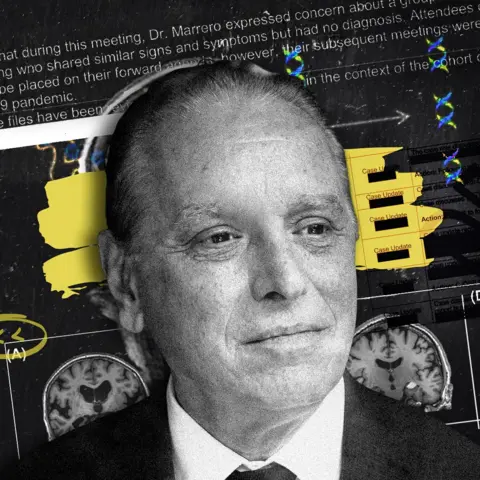
Alier Marrero, a neurologist who had been practicing in the province, reported seeing patients with unexplained symptoms resembling CJD, including rapidly progressing dementia among young individuals. His observations shocked the medical community, as more than 500 individuals later claimed to have a form of a mystery brain disease.
Despite countless tests, Marrero found himself at a dead end. Meanwhile, a study published in 2022 declared the supposed mystery disease to be a case of misdiagnosis—an assertion met with resistance from many patients who believe environmental toxins may be implicated.
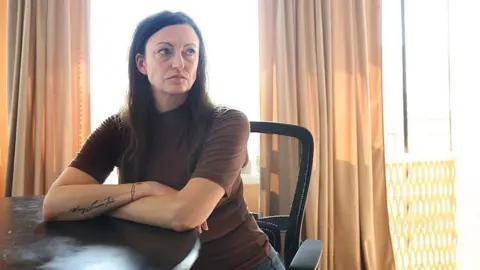
Among the patients, Jillian Lucas stands out. Initially diagnosed under Marrero’s care, she found herself grappling with a severe limitation of mobility and symptoms that grew steadily worse. The complexity of her situation has driven her to consider medical assistance in dying—an idea that reflects the desperation shared by numerous patients caught in this ongoing saga.
Through interviews with doctors, family, and experts, our exploration unveils a contentious landscape that blends personal narratives with pressing medical questions. Ultimately, the ongoing debate signals fundamental questions about the nature of illness, accountability within health systems, and the patients' fight for recognition.