
In brief
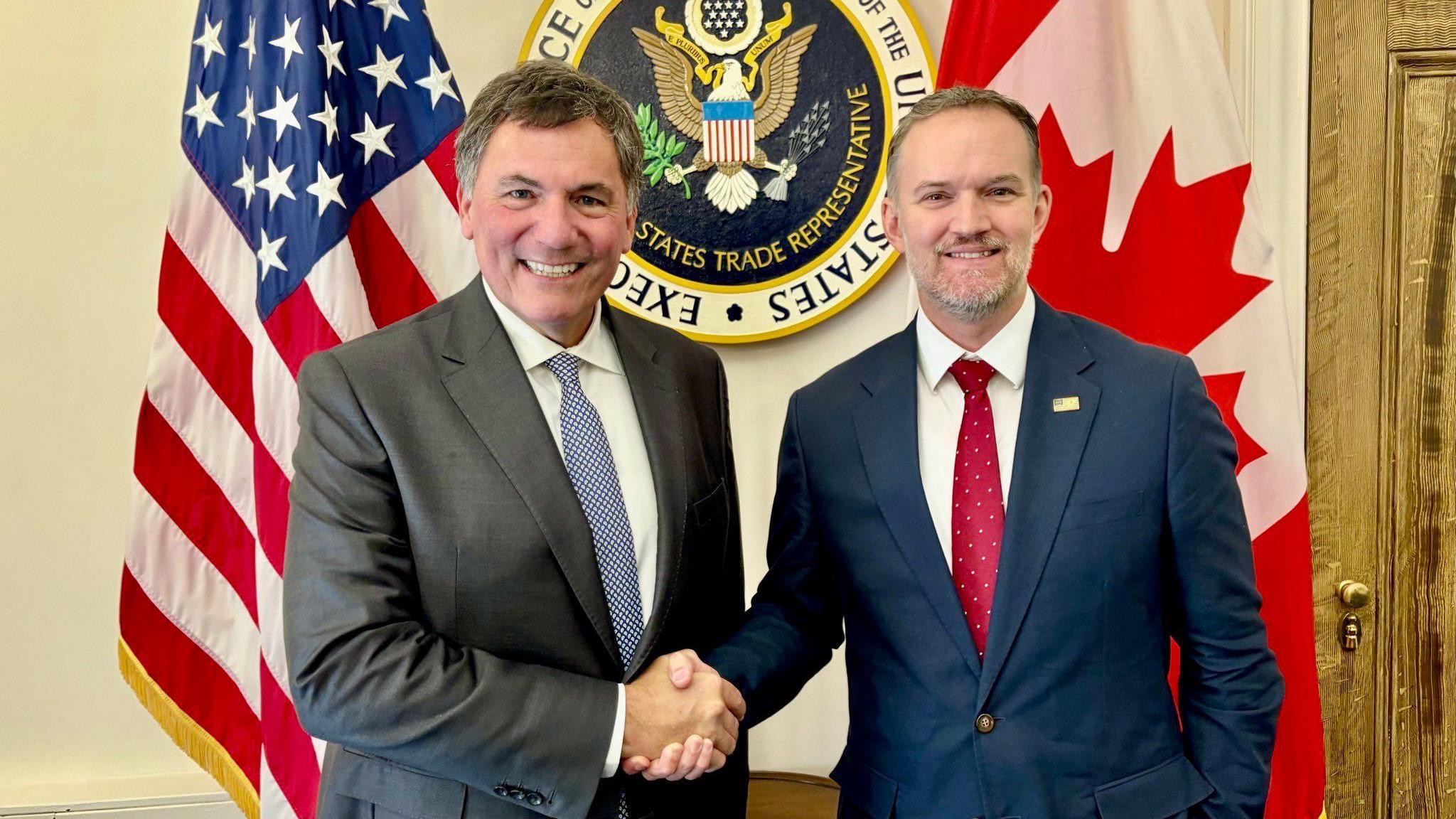
Negotiation talks between Canada and the United States appear to be nearing a deal after a series of meetings that have seen the US pause proposed tariffs against Canadian goods. President Donald Trump and Prime Minister Mark Carney both highlighted the potential benefits, saying the deal would support farmers and manufacturers. Yet the exact list of concessions is still unclear, with Canada insisting its dairy management programme will stay intact and US negotiators demanding the removal of retaliatory tariffs on autos, dairy and alcohol. Business groups on both sides remain cautious, fearing that additional tariffs could dent the North American trading bloc. A final agreement will only arrive once the remaining technical details are ironed out and both sides agree on tribute terms.
Negotiation Highlights
A series of three meetings over the past week has brought the North American trade partners closer to a decision, with US Trade Representative Jamieson Greer stating he is “very happy” with the latest talks. Trump has said the programme “will not only protect American workers, jobs and supply chains, but strengthen the North American economy”. Canadian Prime Minister Mark Carney added that the deal would secure the best terms for Canada’s strategic sectors and give long‑term certainty to Canadian‑American trade.
The overtime pause of a package of 50% tariffs that the Trump administration had threatened on Canadian goods has allowed clinical talks to continue and prevented an immediate escalation.
Key Trade Subject Areas
Canada seeks the removal or reduction of US tariffs on steel, aluminium, automobiles and lumber. US negotiators are demanding the lifting of Canadian retaliatory tariffs on American cars, a change to Canadian dairy quotas to allow greater cheese imports, and the removal of the last‑year ban on US alcohol sales set by most Canadian provinces.
The Canadian dairy supply‑management programme—setting quotas, prices and import limits for dairy, eggs and poultry—will remain intact, a point emphasised by Canada’s official, which is seen as a concession to keep domestic markets stable.
Business and Public Sentiment
British Columbia and other provinces have held meetings with Prime Minister LeBlanc to brief on the progress. Polling by Leger shows 56% of Canadians favour a firm stance against the US, but many businesses across the border urge that any agreement be reached before tariffs “harm the region’s economic health”. Dennis Darby, president of Canadian Manufacturers and Exporters, expressed optimism that the finalised deal will be the first step toward restoring tariff‑free flow under the USMCA framework.
As the negotiations continue, both sides are awaiting a formal signing that will enable Congress and domestic stakeholders to fully understand the scope and impact of the new agreement.
