CBI Charges Husband and In‑Law for Twisha Sharma’s Murder
The Central Bureau of Investigation (CBI) has submitted a 600‑page chargesheet to the court, accusing Twisha Sharma’s lawyer husband, Samarth Singh, and his mother‑in‑law, retired judge Giribala Singh, of abetment to suicide and cruelty. The indictment was released after Twisha’s body was discovered at her matrimonial home in Bhopal on 12 May, five months following her wedding.
Sharma, a 33‑year‑old model and actor who had earned the title of Miss Pune in 2012, reportedly met Singh through a dating app in February 2025. The couple married in December, but the chargesheet alleges that two months into their marriage Singh subjected her to repeated mental cruelty and derogatory remarks. The alleged abuse extended to Singh’s mother, who the CBI claims encouraged her son to continue the harassment.
According to the family of the deceased, tensions escalated in early April when Twisha became pregnant. The relatives claim that Singh and his mother questioned her character, accused her of carrying someone else’s baby, and forced her to end the pregnancy in May. They argue that the subsequent mental torture culminated in her taking her own life, a view the CBI’s chargesheet tries to substantiate by referencing “continuous mental cruelty.” In contrast, Singh and Giribala deny any involvement, stating that Twisha had mental health issues and that the death was a suicide.
The CBI’s filing has drawn intense scrutiny from the public and the media, especially given the familial link to the judiciary. Giribala Singh was arrested a few days after Twisha’s death, and she and her son are currently in custody. The chargesheet openly calls for further inquiry, allowing the investigators to gather additional evidence that may implicate others. If a supplementary chargesheet is filed, it could broaden the scope of the investigation beyond the current defendants.
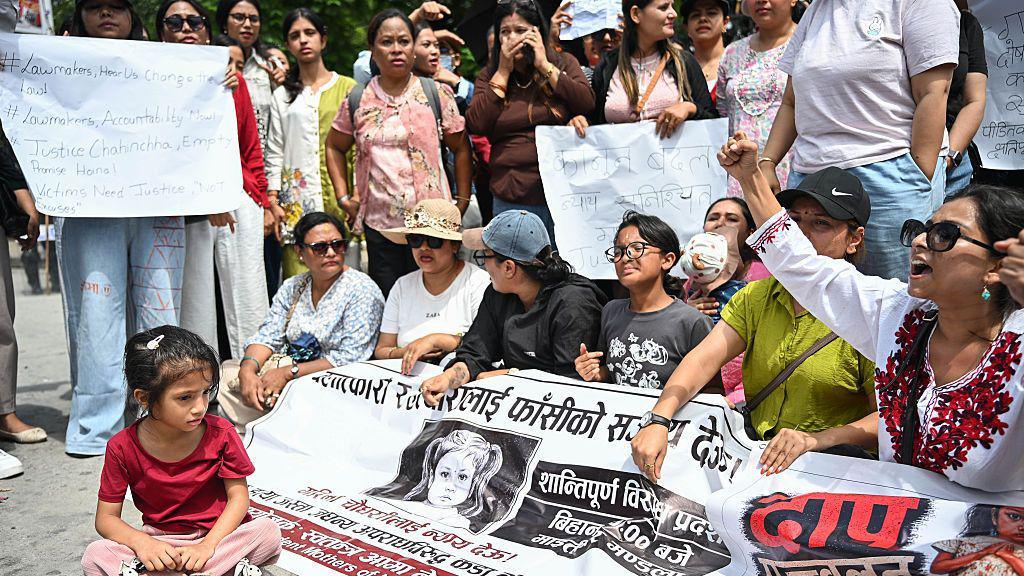
Apart from the legal ramifications, the case underscores a larger societal conversation about dowry demands, mental health stigma, and the expectations placed upon individuals married into families with judicial prominence. Critics have highlighted the perceived double standards, claiming that retired judges and their families are held to higher moral expectations. Critics of the family have pointed to early revelations that Twisha had autopilot plans, while supporters argue that dowry‑related pressure and mental abuse were central factors.
The incident, and the subsequent chargesheet, has among the highest media coverage in India since the death of other high-profile actresses. In the weeks following the chargesheet, the public debate has heated up, with commentators on social platforms calling for a stricter examination of the roles that family dynamics play in domestic abuse and mental health.
For additional context, the CBI’s document is available through the official court portals and can be accessed by the public.
Official CBI website.