Dozens injured as Bologna protests erupt after fatal police restraint of Abderrahim Fakir
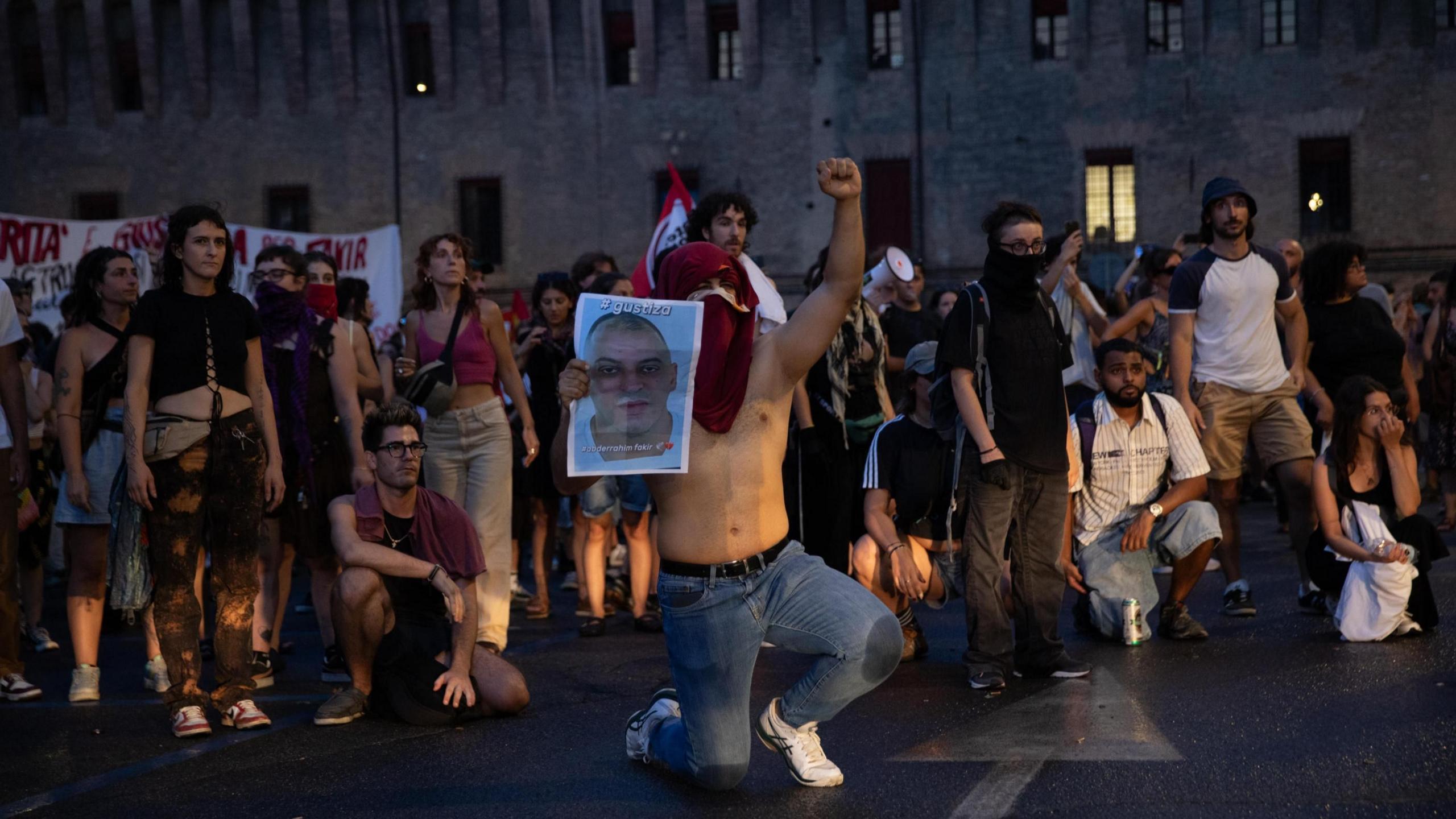
On the night after the sudden death of Moroccan‑born Abderrahim Fakir during an arrest in the Pilastro district, crowds rushed into the streets of Bologna demanding justice for the man who was killed while being restrained by two police officers. A video circulated showing Fakir face‑down, pleading for the officers to stop, only to be further restrained and struck with slaps before an ambulance could arrive.
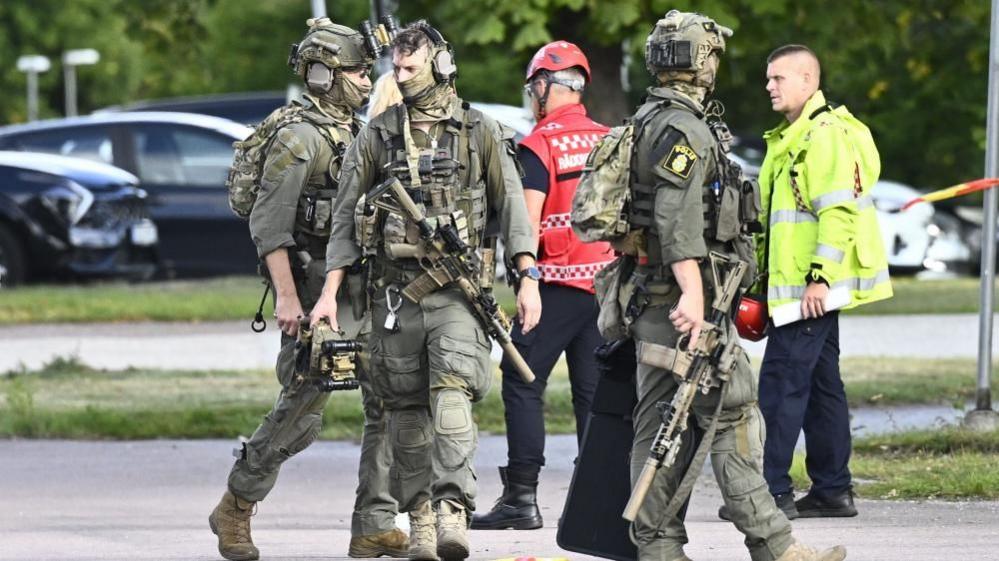
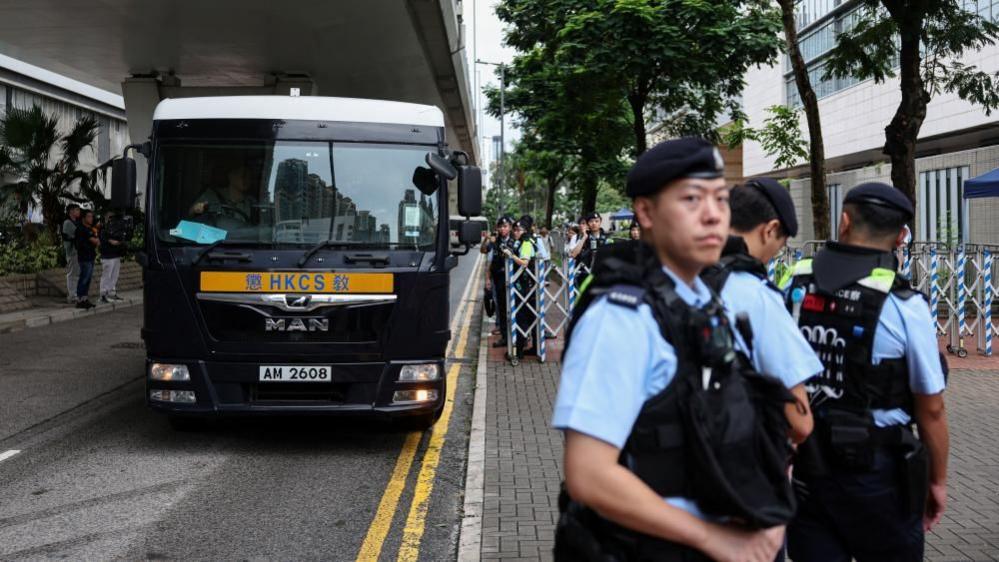
The initial demonstration attracted several thousand participants, most of whom gathered peacefully to support Fakir’s family. However, a smaller faction broke away later that evening and clashed with police; the ensuing confrontation left roughly 64 officers hurt and two vehicles set ablaze.
Italian prosecutors have opened an investigation into potential manslaughter against the officers and the medical staff present at the scene. Witnesses stated that Fakir, who was unarmed, did not pose a threat to anyone and was clearly distressed when the incident occurred.
Mayor Matteo Lepore described the crowd’s reaction as “shocked” and emphasised that the demonstrators were responding to a tragic death, not to undermining law enforcement. He also called for a controlled demonstration the following day, inviting Fakir’s niece to speak on the main square.
Prime Minister Giorgia Meloni called the events “unacceptable,” condemning the violence that erupted while insisting that the truth surrounding Fakir’s death must be fully investigated. She criticised those who used the incident to ignite Riots as seeking confrontation, not accountability.
The protest’s slogans referenced other high‑profile cases of police custody deaths, most notably the 2009 death of Stefano Cucchi. The Cucchi family—now represented politically by his sister, Senator Ilaria Cucchi—has remained vocal about perceived institutional failures and government support of police actions.
Opposition leaders have likewise weighed in, questioning the right‑wing government’s stance and expressing concerns that the policies resemble those of a more punitive model used elsewhere.
Fakir had been a long‑time resident of the Bologna area, operating a logistics company for decades. His sister Khadija said, “They killed him mercilessly, and I want the truth” as the family demanded transparency over the official police report.
As the city confronts unrest, the situation remains tense, with law‑enforcement officers and residents navigating a fragile boundary between public safety and human rights. The investigation will likely play a key role in shaping Italy’s approach to policing and community relations in the months ahead.