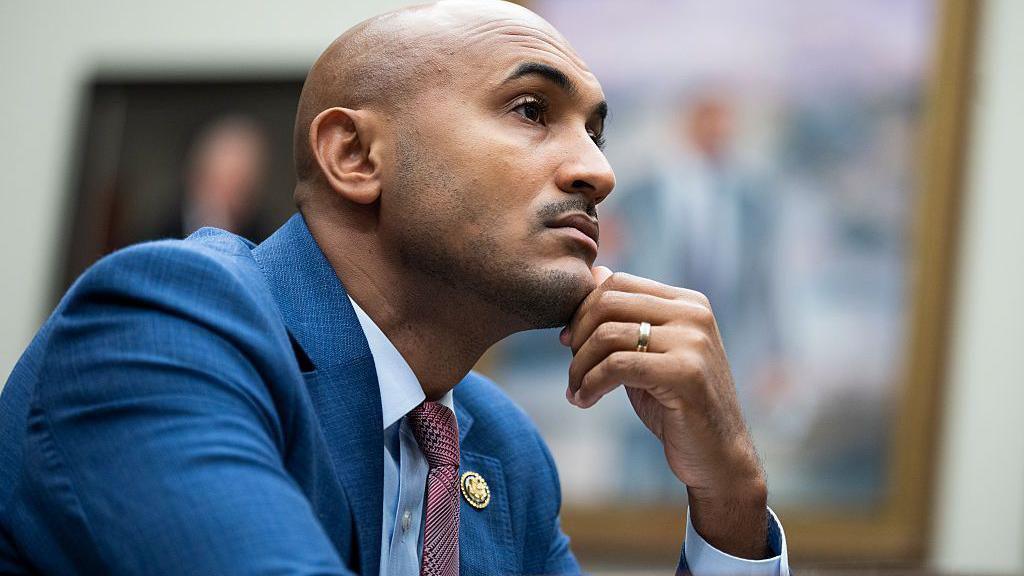
Black Congressman Shomari Figures Faces Supreme Court Redistricting Gamble
In 2024, Shomari Figures shattered a long‑standing local barrier when he became Tuskegee’s first Black member of the United States House of Representatives. Fresh off a victory that secured a $1 million federal grant for a civic centre, the newly elected congressman saw his community’s hospitals and emergency services raised to a new standard.
That promise was dented in April when the Supreme Court struck down a key section of the Voting Rights Act that had once mandated the creation of majority‑Black districts in the Southern states. The ruling, which means Alabama can now redraw its congressional lines without regard to race, risks erasing the district Figures represented and could curtail the federal funding he had helped secure for vital infrastructure factories.
For Tuskegee, a town of under 9,000 residents, the stakes are especially high. Most of its population is African‑American, and the town’s emergency services have relied heavily on the state’s fire department to fill gaps left by a non‑existent 24‑hour hospital. Figures’ federal push for a new medical centre included $500 000 in funding for an MRI machine – a vital upgrade that could improve life‑saving procedures for thousands.
Benjamin Benham, a 19‑year‑old Tuskegee student, told reporters that the lack of local medical infrastructure meant community members rely on his fire department for life‑saving first aid. “We get calls for everything, even for severe injuries,” said Shomari’s fire‑department captain, Dondrell Hopson. “People need better medical facilities to survive.”
Figures, however, only has about a year to defend his seat through the 2026 midterm elections. The new map now includes the heavily‑white, rural counties of the Wiregrass region and parts of the Black Belt – an area that historically endured violence at the hands of white mobs during the 19th and 20th centuries.
Local officials express fear that if the district’s demographics shift, federal funding could evaporate. “All our issues depend on federal money,” declared Mayor Chris Lee. “We need a representative who protects our interests, else we risk losing what little we have.”
Further complicating the picture is Alabama Attorney General Steve Marshall’s insistence that redistricting is purely partisan politics, not a racially motivated law, a stance that runs counter to the historical context of the Voting Rights Act—first passed to protect Black voters from discrimination.
For many, particularly young Tuskegee residents and long‑time voters, the Supreme Court decision feels like a rollback of the progress made since the Black Freedom movement’s most decisive moments. “We should have a voice here, and it should be equality and justice for all,” said Mary Porter, a longtime local resident who relies on her faith for medical access.
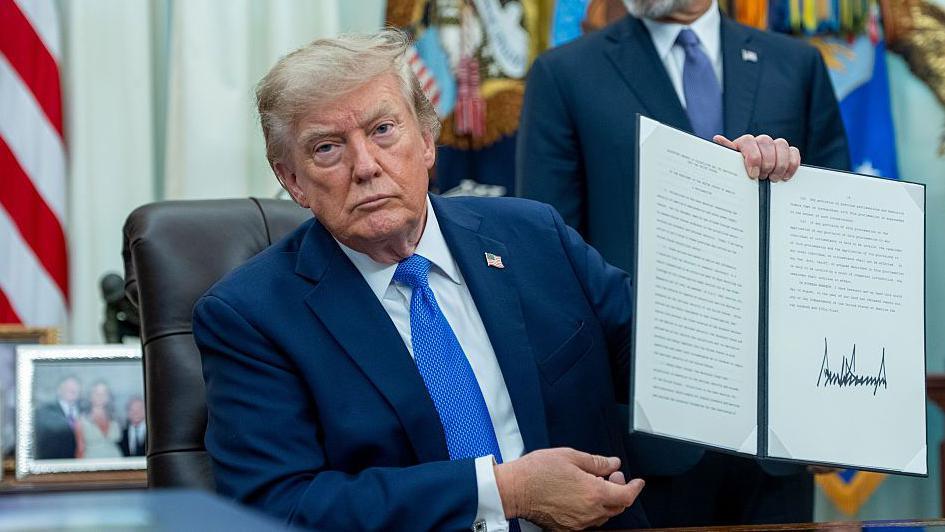
The race‑neutral principle imposed by the Court is unlikely to prevent future challenges. Quick “rallying” polarized rhetoric and endorsements, including from House Speaker Mike Johnson and President Trump, show a possible GOP battle, but some polls hint Figures could wrest a win with his cross‑party appeal and his record in advocating for local infrastructure investments.
As election day approaches, debates around the historical legacy of the Black Belt and the consequences of the Supreme Court decision will likely define the national conversation about racial equity: the test of whether lawmakers can balance the preferences of the majority with the need to protect minority communities worldwide.