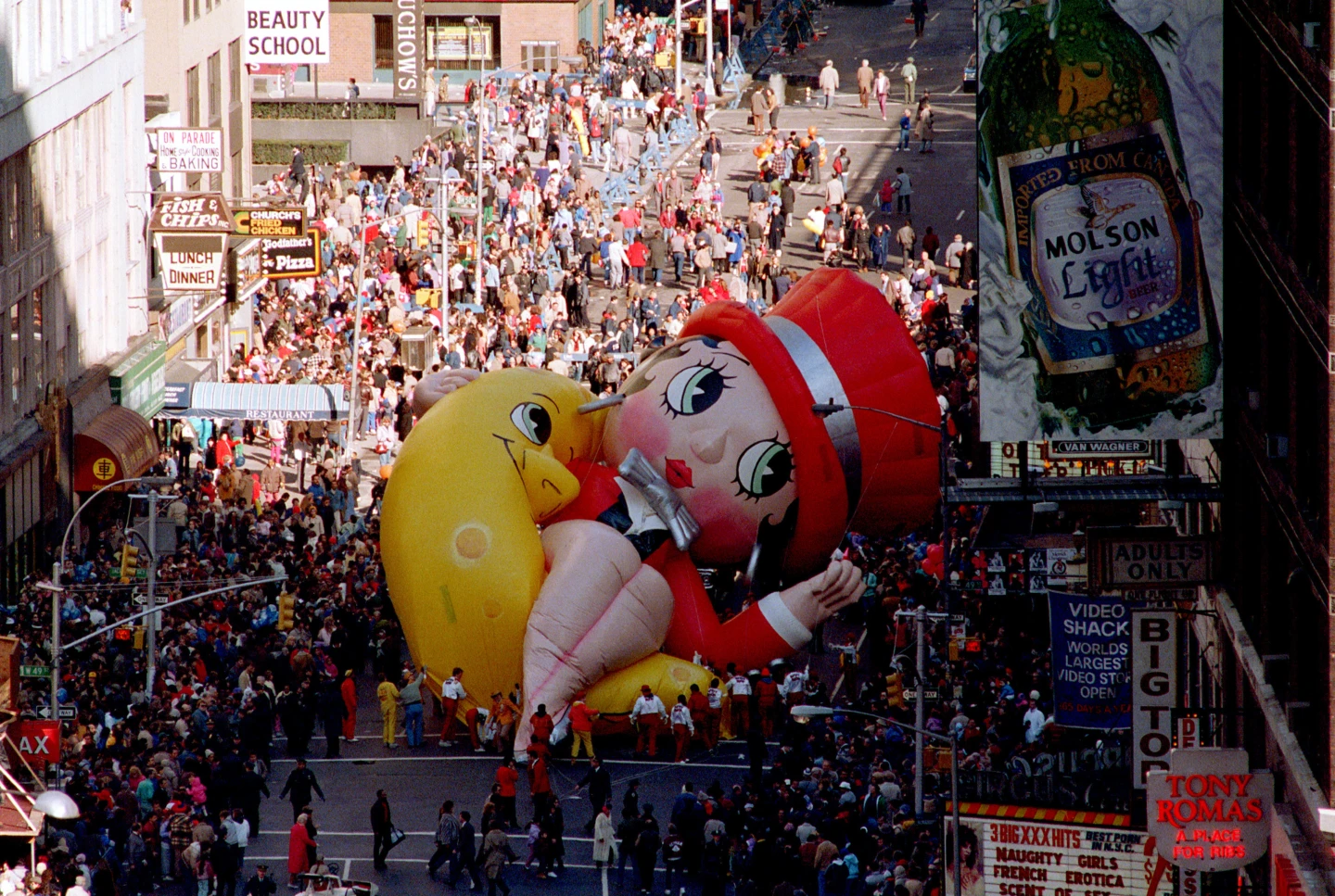
Los Angeles (AP) — Betty Boop and Blondie are joining Mickey Mouse and Winnie the Pooh in the public domain.
The initial appearances of these iconic cartoon characters will be available for creators to use without asking for permission or making payments, starting January 1, 2026. This transformation in copyright law allows artists to creatively reimagine these characters in various forms of media.
The 2026 public domain collection may not hold the same immediate nostalgic value as the recent additions, such as Mickey Mouse and Winnie the Pooh. However, it symbolizes a renewal in public access to cultural works that advocates since 2019 have celebrated following decades of copyright restrictions.
“It’s a big year,” stated Jennifer Jenkins, a law professor at Duke’s Center for the Study of the Public Domain. Jenkins noted the cultural significance of these characters that have become household names.
The public domain shift also coincides with a wave of classic literary works, highlighting influential characters such as Sam Spade from Dashiell Hammett's The Maltese Falcon, Nancy Drew in her first book, and Agatha Christie's Miss Marple. This provides a vast opportunity for new adaptations of beloved characters across different forms of entertainment.
With Betty Boop and Blondie set to join the public domain, artists are encouraged to explore and harness these rich cultural symbols for innovative storytelling and artistic endeavors.