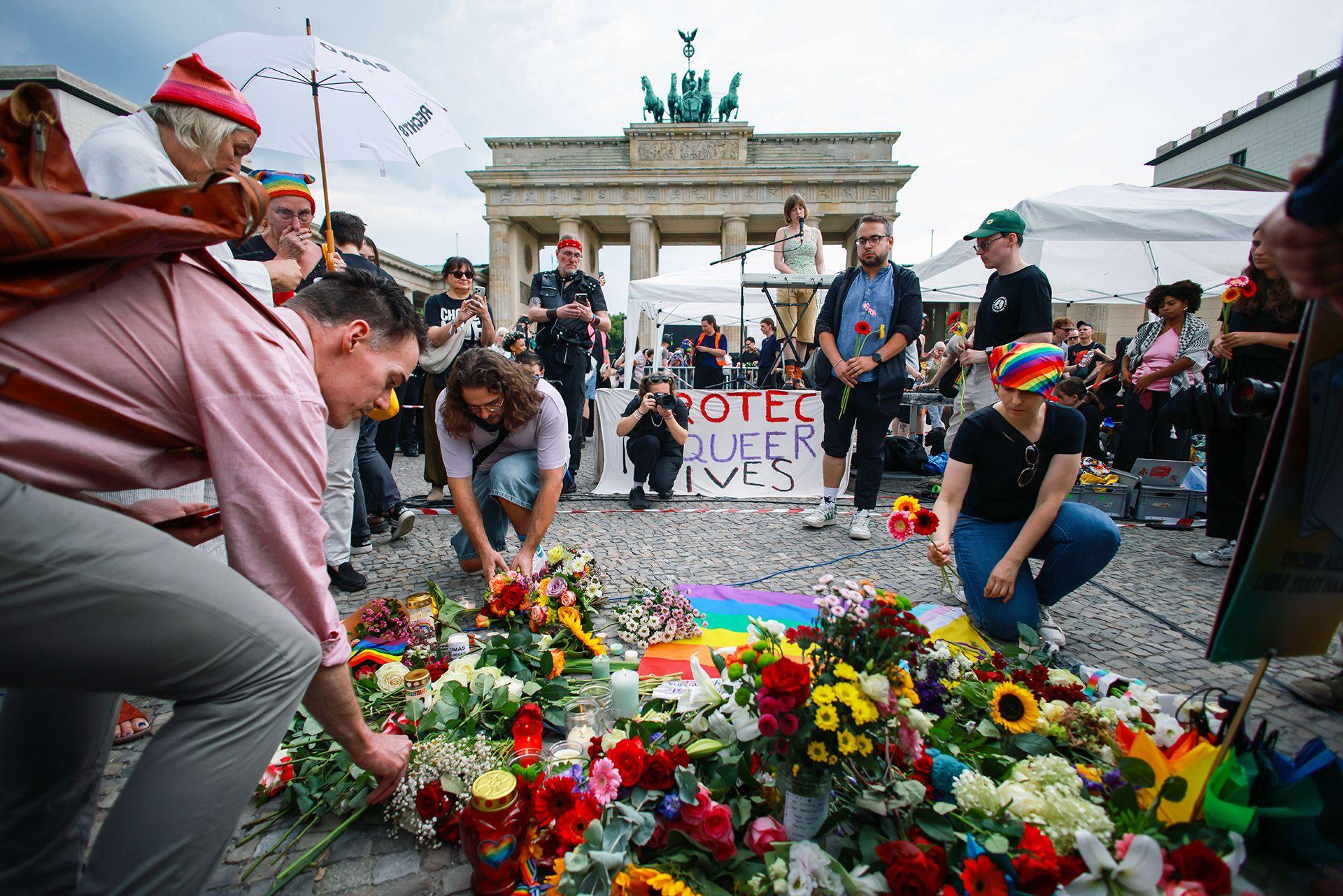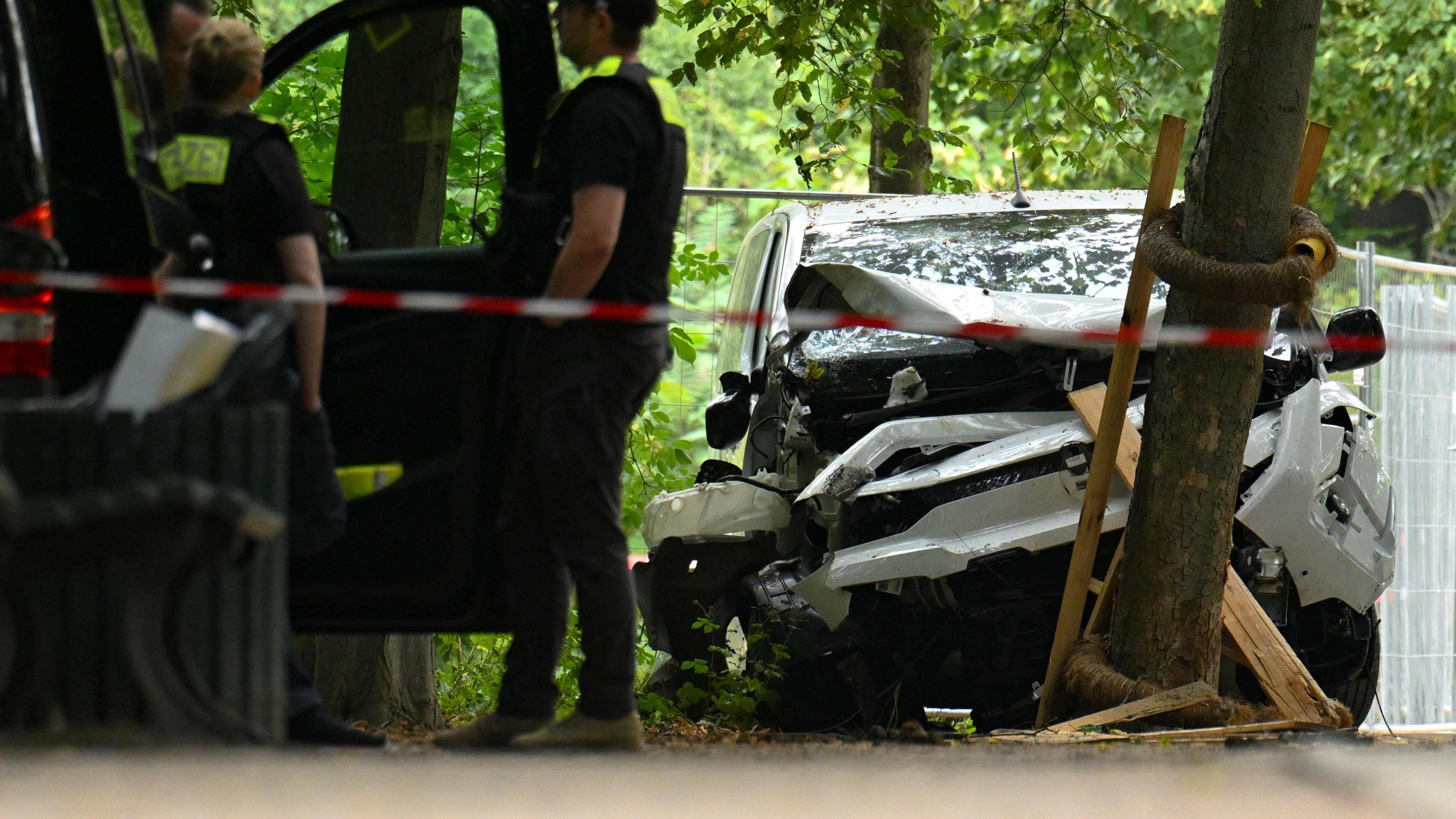
Grief, shock, and unprecedented anger surged across Germany after a vehicle rammed a crowd at the Berlin Pride parade, killing a 21‑year‑old Polish woman and injuring at least 29 others.
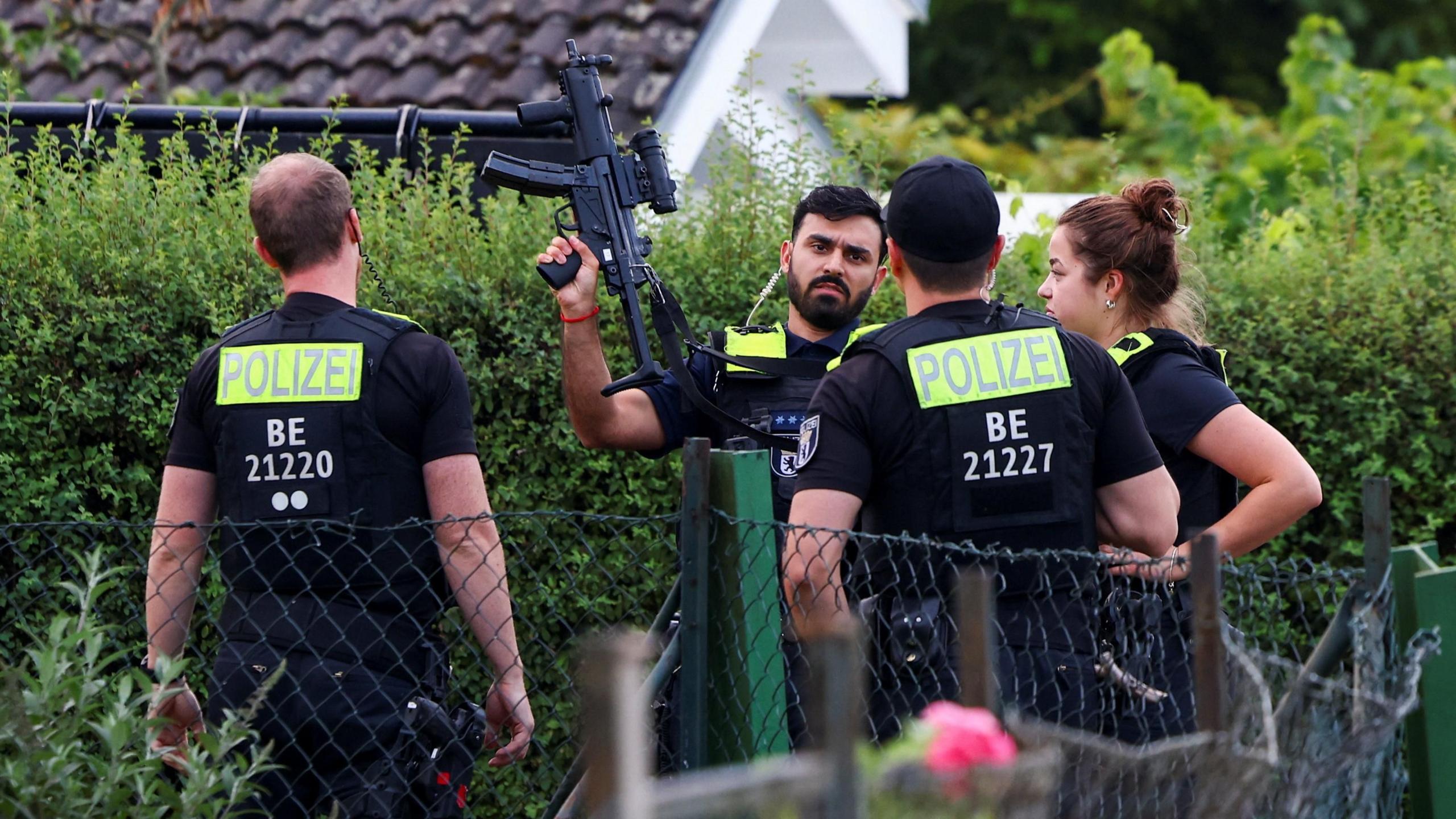
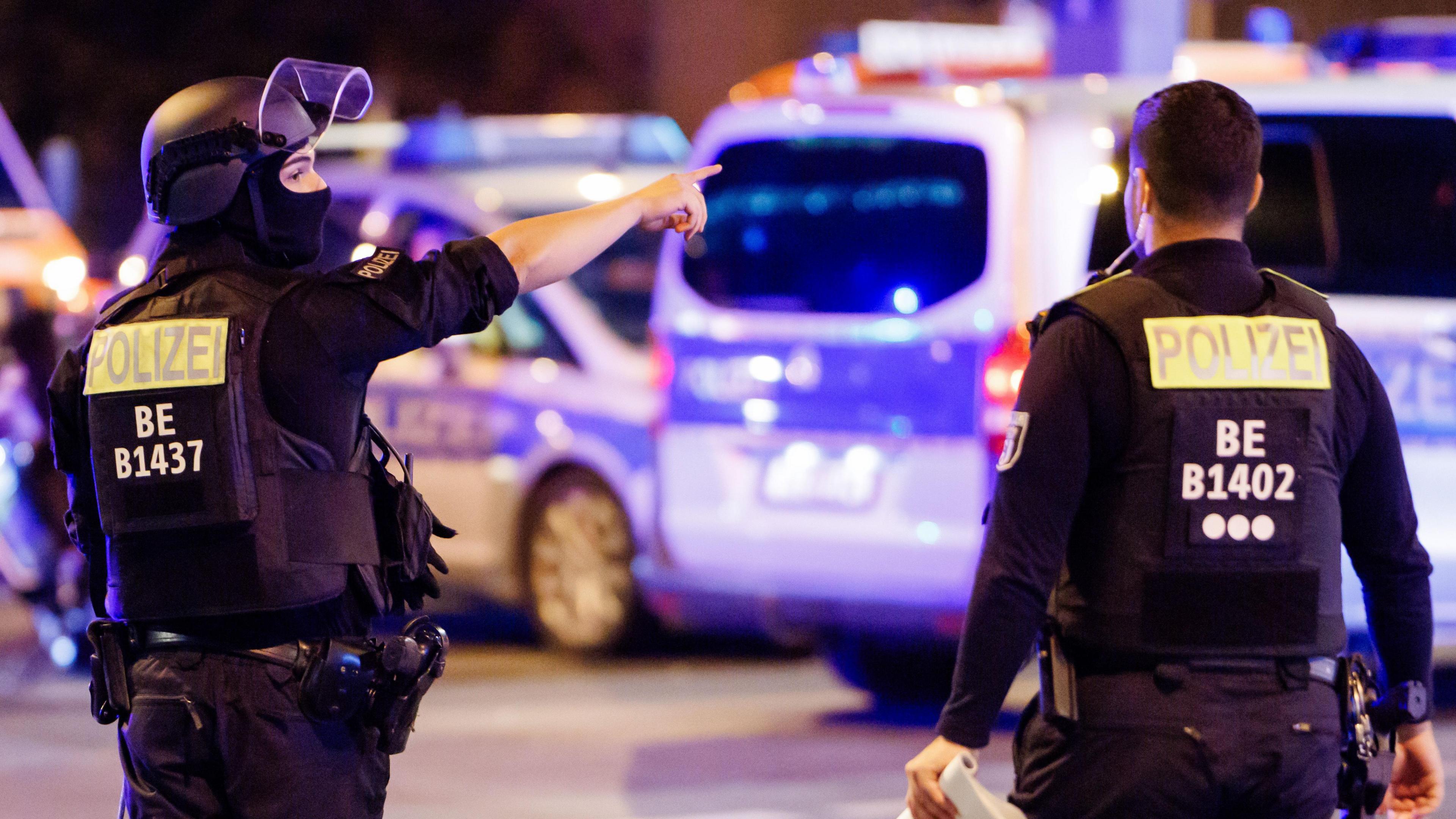
The driver, Abdul Ballout, was identified by police and shot dead on Sunday. A 21‑year‑old German citizen of Lebanese descent, Ballout had an extensive criminal history, including convictions for incitement to religious and sectarian conflict and attempts to join the Islamic State in Syria.
Paradoxically, Ballout had been released under a suspended sentence in May 2026 – a juvenile court decision that was later overturned on appeal due to its leniency. The German Interior Minister, Alexander Dobrindt, condemned the “incomprehensible” decision that allowed Ballout to move freely, while the city’s governing mayor, Kai Wegner, described it as a judicial shock wave.
Analysts and opposition figures are pointing to systemic failures. The Alternative for Germany (AfD) party labelled the incident a “total failure of security policy,” demanding a thorough investigation into how a known terrorist threat remained legally mobile. In contrast, the Social Democratic Party (SPD) highlighted that the law itself is not the core problem; rather, its application created a loophole that ballistic public violence could not be prevented.
Terror‑law experts such as Peter Neumann from King's College London argue that Germany’s criminal provisions on terrorism are “too lenient” and that the juvenile justice system prioritises rehabilitation over public safety, allowing dangerous individuals to roam in open society. Similar sentiment was echoed by ex‑security official Thomas Mücke, who said Ballout’s pre‑release monitoring was poorly managed.
Chancellor Friedrich Merz issued a statement that no immediate political will will be drawn from the event but warned that authorities will “respond with prudence but also with determination.” He called for tighter jurisdictional aspects of surveillance and the restriction of the mobility of identified threats to curb future attacks.
The Berlin Pride attack has sparked a national discussion on democracy, freedom, and the necessary limits on civil liberty when the public is under threat. The evolving debate points to a required balance between re‑forming legal structures and ensuring swift action against individuals who pose an imminent risk.