
In brief
Israeli news coverage of the Gaza Strip is transitioning, moving from a focus solely on Israeli heroism to increasingly highlighting the humanitarian crisis in Gaza. Following unprecedented global outrage and internal protests over the ongoing war, some outlets are reporting on malnutrition and daily hardships faced by Palestinians. Despite this shift, Prime Minister Benjamin Netanyahu continues to ignore calls for a ceasefire, and coverage remains heavily influenced by domestic concerns and framing. Prominent figures in journalism have faced backlash for addressing the suffering in Gaza, indicating the deep divisions within Israeli society regarding the conflict.
TEL AVIV, Israel (OnPoint) — The ongoing conflict in the Gaza Strip is undergoing a narrative transformation in Israeli media. For much of the past two years, coverage has predominantly highlighted Israeli heroics, the struggles of hostages' families, and casualties among soldiers. However, recent trends indicate a noticeable shift.
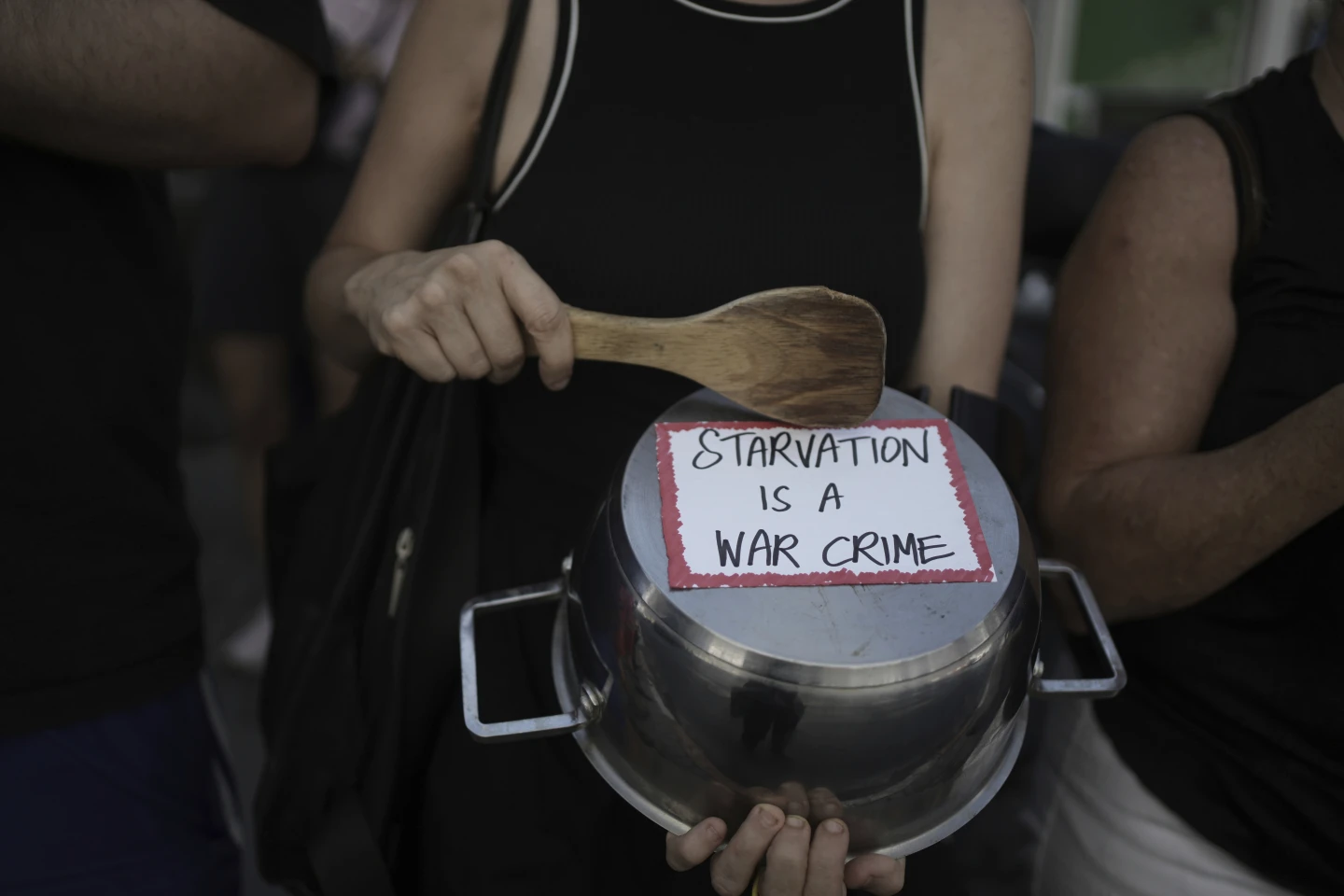
In recent weeks, Israeli television networks have begun airing graphic footage of malnourished Palestinian children and providing in-depth reports on the challenges faced by Palestinians living under siege. This shift in reporting comes amid growing global dissatisfaction with Israel's military actions and reflects internal disagreements over the continuation of the offensive. Despite increasing coverage on humanitarian issues, the Israeli government’s policies have remained largely unchanged.
“This isn't merely about compassion for Gaza’s plight but also scrutinizing whether current strategies align with our wartime objectives,” said Eran Amsalem, a communications professor at Hebrew University in Israel.
Prime Minister Benjamin Netanyahu has largely disregarded the mass movement advocating for an end to the war, focusing instead on recovering hostages taken during the Hamas-led attack of October 7, 2023. Following the terror on that date and ongoing regional violence, pleas for Palestinian assistance have gained little traction.
The Initial Shock
The conflict erupted violently, with Hamas militants breaching borders and inflicting chaos on Israeli communities, resulting in approximately 1,200 civilian deaths and various hostages being taken. This incident represents the most significant attack in Israel's history, resembling their own 9/11.
While Israeli media have historically downplayed the humanitarian catastrophe in Gaza, prominent journalists have begun to incorporate these narratives into their reports, albeit with considerable backlash. Notably, Yonit Levi, an established news presenter, faced accusations of treason after her remarks on the international media's handling of Gaza's famine during a July report.
Critics from pro-Netanyahu platforms have vilified journalists who highlight suffering in Gaza, emphasizing their allegiance to military narratives. The violence perpetrated during this conflict has led to over 64,000 Palestinian fatalities, although the exact numbers remain hotly contested and debated among different agencies.
Gradual Change
Despite the ongoing backlash, some Israeli news outlets have started sharing compelling stories from Gaza, making their way towards a more comprehensive coverage approach. Interviews with Palestinians are now occasionally woven into mainstream reporting, albeit with modifications to protect the interviewees due to potential repercussions from Hamas.
As media dynamics evolve in Israel, a growing faction of the public appears ready to engage with more nuanced discussions surrounding the conflict. Nevertheless, several journalists believe the media is overly cautious about presenting the realities facing Palestinians, with some insisting that greater engagement would not undermine Israeli perspectives.
For further updates on the war, visit OnPoint's dedicated coverage.


