
In brief
Bangladesh’s first cabinet after the 2024 change in power announced a pivot toward Chinese investment and joint projects, signalling a strategic re‑balance. The prime minister’s recent trips to Beijing and Malaysia highlight a shift away from the traditional India‑first stance. Key deals include a joint study on the Teesta River and a plan to build a special economic zone near Mongla port. Despite calmer cross‑border trade, long‑standing disputes over immigration and the corridor still strain relations with India, while China’s growing presence across the region adds a new layer of competition.
Bangladesh’s new government has signalled a drive for deeper Chinese partnership to spur its sluggish economy, while simultaneously seeking a carefully measured return to the regional economy of India.
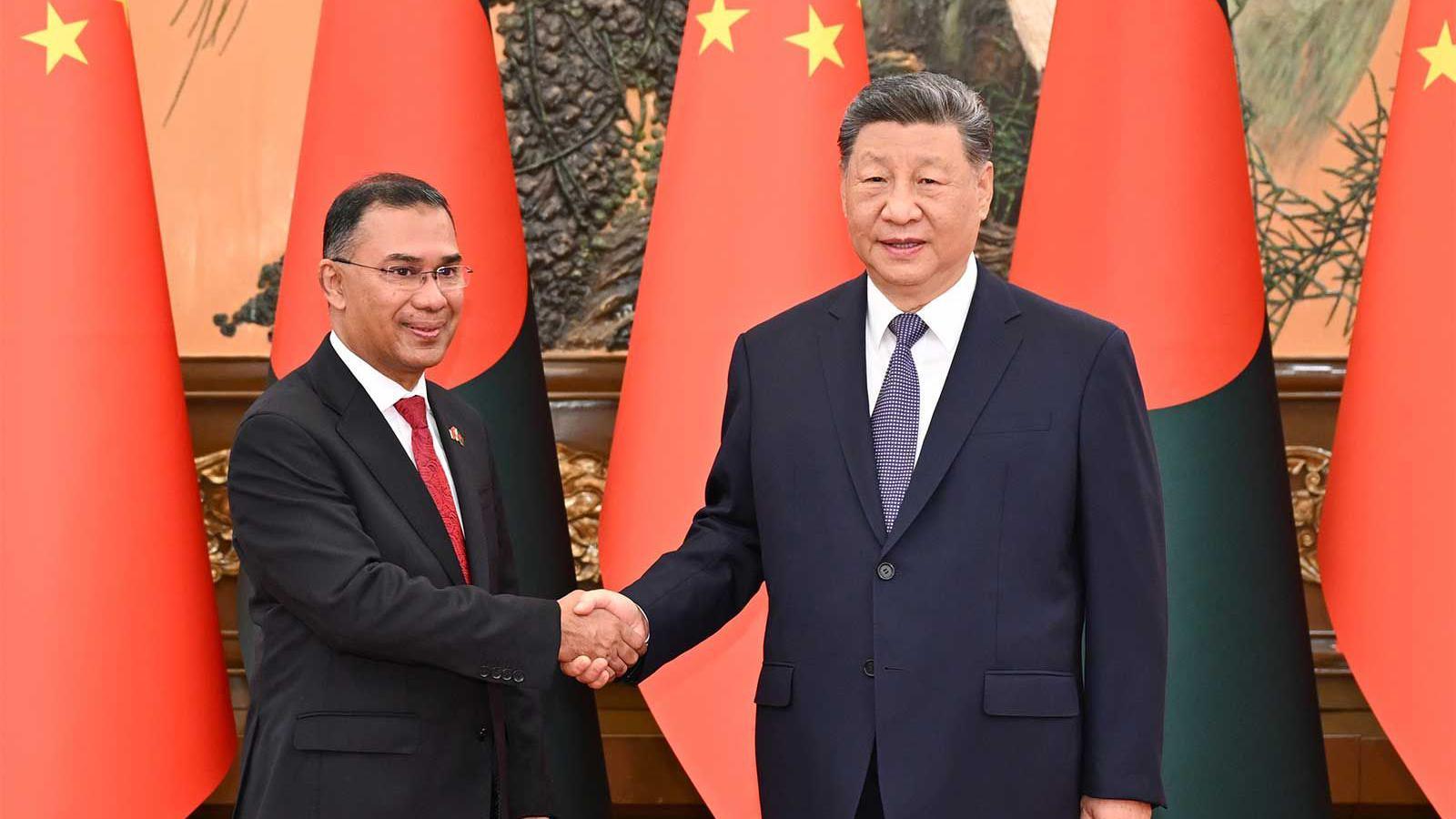
Prime Minister Tarique Rahman’s first overseas official visit—arriving in Malaysia and then Beijing—was widely interpreted as a strategic pivot. The choice of destinations reflected Dhaka’s attempt to realign its foreign priorities and present a balanced stance between two neighbouring powers.
Indian observers noted the trip raised questions about Bangladesh’s historic expectation of high‑level visits from Delhi. Although the bilateral peace has been largely restored after the February 2025 parliamentary win, the past year still offers only a modest easing of tension.
Key bilateral agreements that drew particular attention include a joint study on the Teesta River and a proposed special economic zone near Mongla port, both seen as vital to Bangladesh’s infrastructure resilience. India closely watches these moves, given the shared waterways and potential impacts on the north‑east corridor known as the “Chicken’s Neck.”
India has historically relied on Bangladesh for the smooth functioning of its labour and commerce flows. Recent cross‑border trade disputes—with a hardened stance on immigration and a crypto‑border of revenue difficulties—impacted this trade relationship. Only 18 months after the interim government took office, services for buses and travellers have begun to resume along a few key routes, yet many governors still remain wary of the political climate within Bangladesh and the continuing presence of ex‑prime minister Sheikh Hasina in India.
China’s role in a technical feasibility study for the Teesta River—focused on dredging, desiltation and flow restoration—has sparked debate among Bangladeshi experts who see China as a specialist with the financial capacity to implement large‑scale water‑management projects. Beijing’s financial commitments in defense and infrastructure reach over 70% of Bangladesh’s arms imports—an alliance that gives the Chinese a foothold in strategic corridors.
The Chinese government has called the bilateral cooperation “free of third‑party influence,” reassuring Indian concerns over its border security. Nonetheless, any shift proprietary to China’s involvement near the Siliguri Corridor is treated with caution by India, which maintains a long‑standing border dispute with Beijing.
Going forward, the prime minister’s balancing act will likely revolve around honouring trade benefits while reconciling domestic sentiment that remains strongly pro‑India. While diplomatic outreach to Delhi continues, the strategic priorities that approximate India’s geographical proximity and trade volume ensure that Bangladesh cannot completely abandon the relationship, even while courting China for critical investment projects.
