In brief
Australia has become the world’s leading hotspot for extinctions, with loss rates of roughly four species a decade. In the southwest’s Dryandra Woodland, the rare numbat—once feared extinct—has surged thanks to a dedicated taskforce’s ground‑based counts and habitat protection. While the numbat’s revival is a glimmer, the broader crisis of invasive predators, development, and climate change remains stark, demanding decisive political action. Experts warn that without robust funding and enforcement, the gains in one species may be fragile.
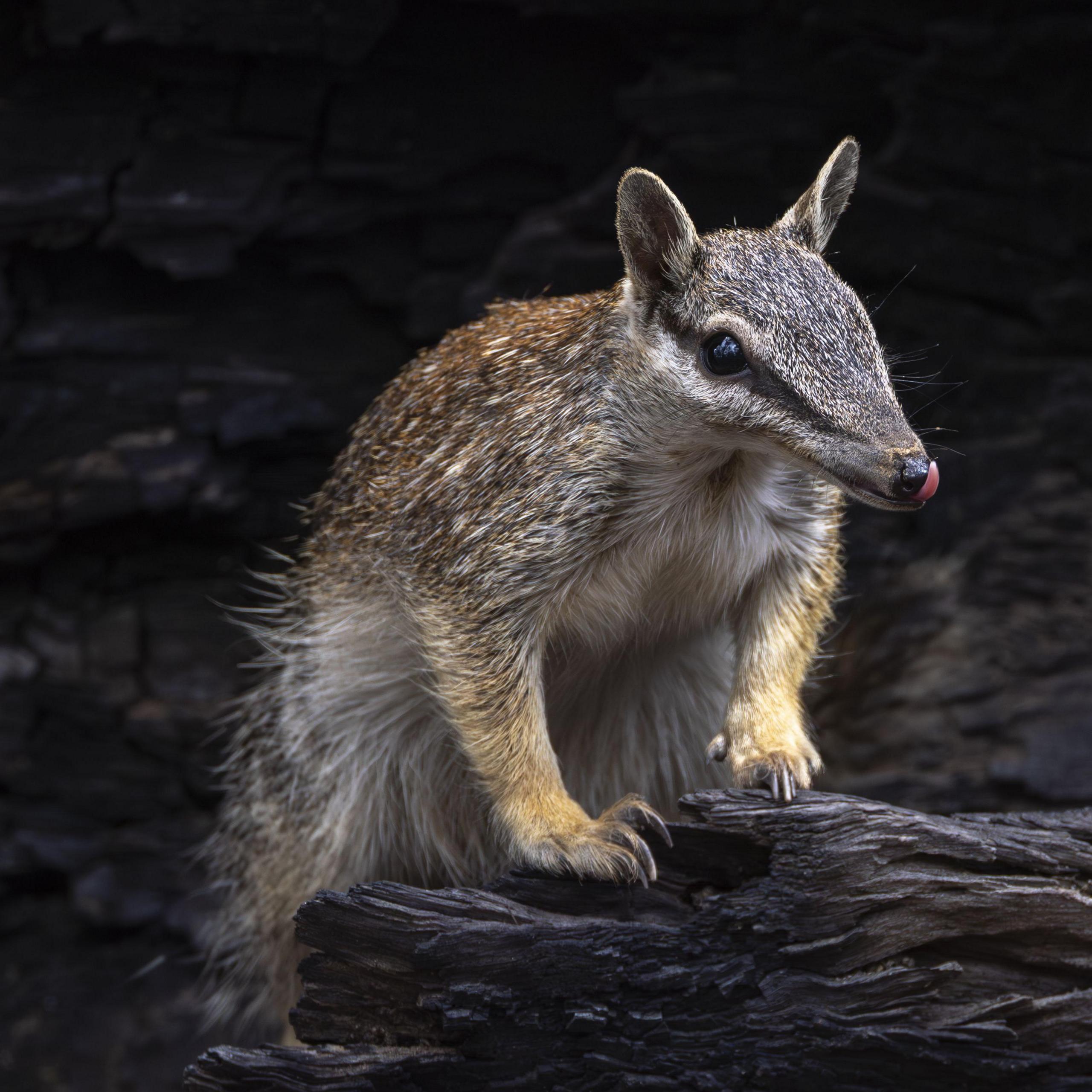
When a drive‑through of Wilson Track in Dryandra Woodland is almost a breadcrumb trail of abandoned farmer’s land, the hope of finding a numbat—Australia’s tiny anteater‑like marsupial—has suddenly become a promise. The team’s daily counts of the species are not just numbers but a method to gauge whether the population is stable enough to survive the looming threats that have turned many Australian species into national limbo.
The numbat was declared endangered until this month, but it has now been removed from the international endangered species list. As conservationists tally sightings with GPS and calculate densities, they’re finding that the numbers have increased to around 3,000 nationwide, with Dryandra alone showing a ten‑fold jump during the latest survey.
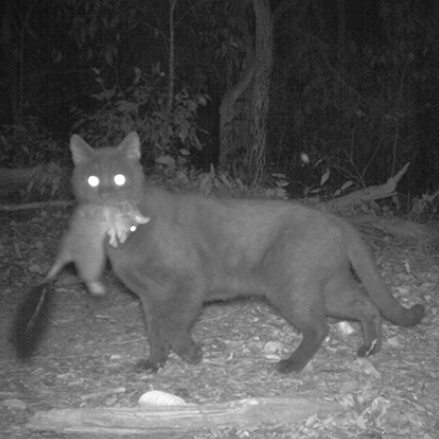
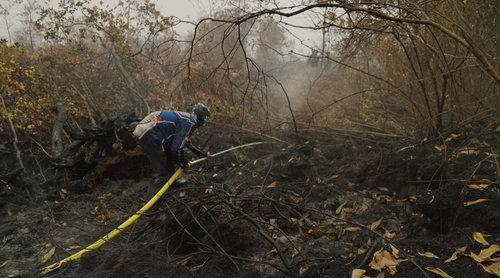
This region, however, sits at the front line of Australia’s biodiversity crisis. Feral cats and foxes, weed invasives such as lantana, and the relentless march of climate extremes are decimating habitats. Wheat pastures and logging operations have fragmented the numbat’s flat‑terrain world into isolated islands of viability.
The ultra‑tight conservation budget—about A$700m for nature protection against a national subsidy bill of A$26bn—for mining and agriculture—fires a worried spark among scientists. “For every dollar we spend on conservation, A$26 is spent on activities that hurt nature,” says Paul Elton, a conservation economist, underscoring the mismatch between protective intent and high‑cost exploitation.
A strong Reuters analysis shows that the Australian government’s new laws to protect biodiversity, spurred by the Labor party’s commitment to halt extinctions, are still unfinished: national environmental standards have only just begun to be drafted.
Observing the numbat’s returning buzzes a bittersweet feeling—like catching a fleeting reflection of hope in a swampy river—though experts caution that these gains may be fragile without continued support. The woylie, once celebrated in science circles, demonstrates that endangerment can be a roller‑coaster of peaks and dips.
In Dryandra’s low scrub, dense vines, and open represent a razor‑edge landscape where every predator, every invasive weed, and every building projects threatens the lives of the numbat and other long‑lost species. Though the national focus on the planet’s last lines of defense has increased, the conservation community’s mainline message remains the same: policy and politics must keep pace or the biodiversity disaster will finish its march across the continent.