Assad Sentenced to Death in Absentia as Syria Moves Toward Justice
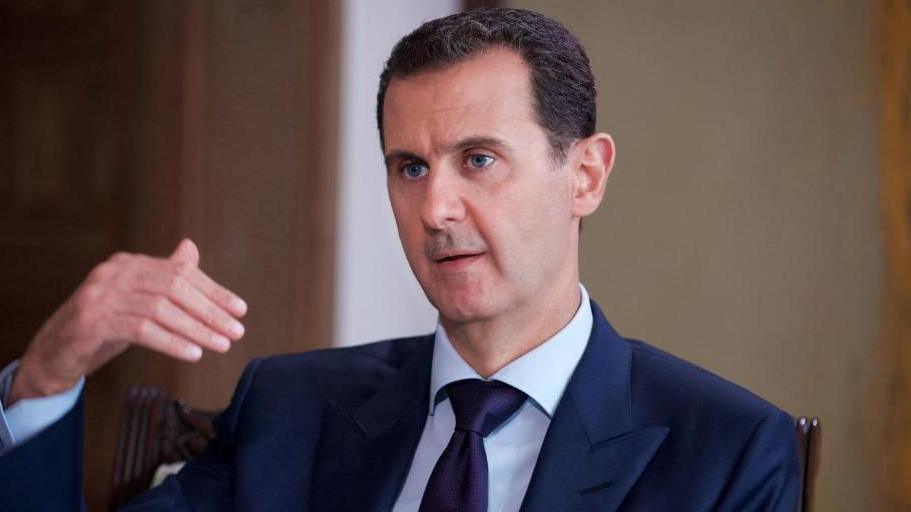
A Syrian court in Damascus has issued a death sentence against former president Bashar al‑Assad in absentia, marking the first criminal verdict ever imposed on the dictator. The judgment follows the regime’s collapse in December 2024 and accuses the former leader of war crimes and crimes against humanity committed during the brutal civil war.
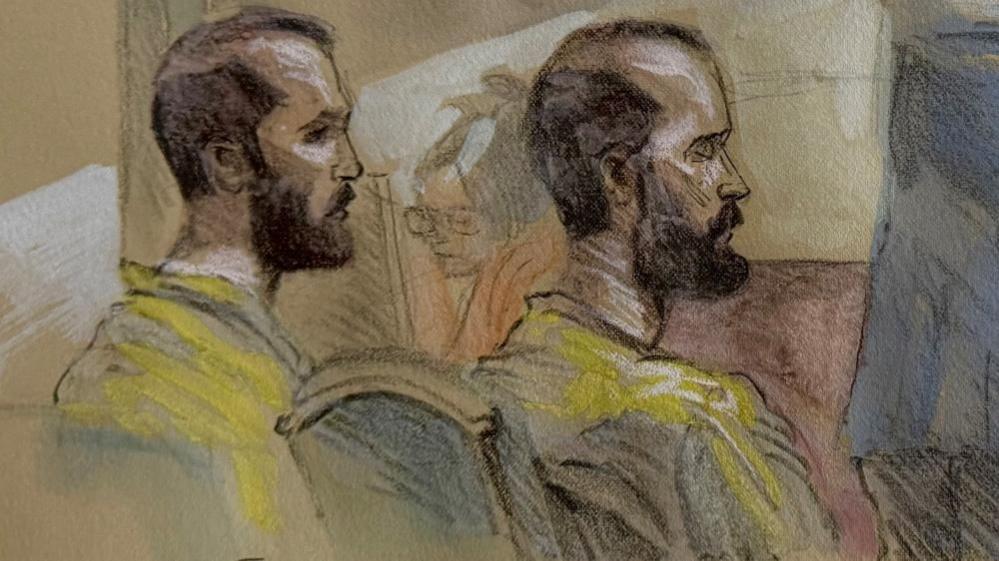
The decision also condemned Atef Najib, Assad’s cousin and former head of political security in the Deraa province, who was sitting in a cage in the courtroom when the judge read aloud his sentence. Najib, an influential figure in the old regime, faces charges of murder, the intentional killing of children under 15 and torture leading to death.
In addition, six other former military and security officials were sentenced to death in absentia, including Maher al‑Assad – Bashar’s younger brother who commanded the elite Fourth Division and fled to Moscow – and former defence minister Fahd al‑Freij.
The courthouse was crowded with citizens holding photographs of loved ones killed by the regime. Spectators shouted, clapped, and spread flags in celebration, proclaiming that justice has finally been achieved for the victims of the war.
Prosecutor Nouha al‑Masri, whose brother died in the 2011 Deraa crackdown, told the BBC that the verdict was a milestone but not the end of the pursuit for accountability. She urged that “from now on, there will be no impunity in new Syria.”
The ruling raises questions about the feasibility of extraditing Bashar and Maher al‑Assad from Russia. Although the new authorities have detained numerous former officials, most senior figures, including the Assad brothers, remain beyond reach in Moscow. Attempts in previous years to bring Assad to trial in Western courts have failed.
The verdict is a pivotal moment in Syria’s struggle to rebuild its legal and political systems after a decade of conflict and a half‑century of authoritarian rule. Whether it will lead to broader accountability remains to be seen, but it represents a significant step toward ending the legacy of the Assad dynasty.