In brief
Ukrainian President Volodymyr Zelensky recently claimed that airstrikes on Russian data centres had cut down Kremlin‑aligned influence bots. Social media posts that suggest a sudden drop in bot activity rely on misleading interpretation of Cloudflare data. Leading researchers and social‑media analysts, including dTeam and Cloudflare, find no evidence of reduced bot traffic or impact on major influence operations. Yandex’s search engine, the target of the attacks, has been forced to pause large‑scale crawling, but this does not equate to a loss of malicious social‑media traffic. While Ukrainian cyber‑attacks have disrupted services, they have not proven to be a decisive blow against Russian disinformation campaigns.
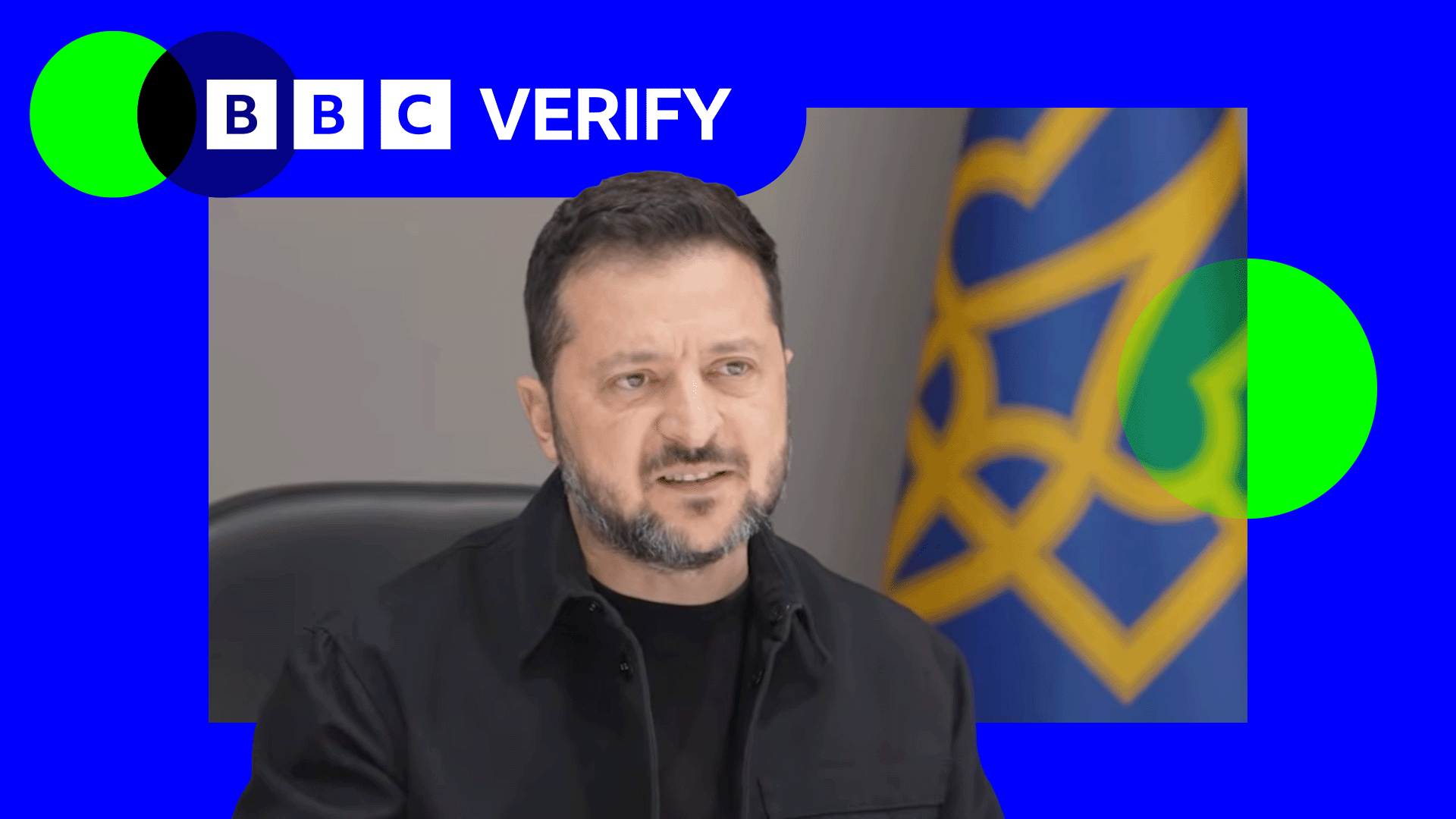
Ukrainian President Volodymyr Zelensky said on Monday that "less hate, less division and fewer provocations" were online because of fewer bots after Ukraine’s airstrikes on Russian data centres. The headline quickly turned into a viral claim that the strikes had crippled Kremlin‑linked influence networks. Supporters of the story point to a Cloudflare chart that appears to show a steep drop in bot traffic on Yandex’s network.
What the Data Really Show
Cloudflare clarified that the figures include all automated requests to sites hosted on its network – a routine crawl by search‑engine bots – rather than activity on social‑media platforms. The company also noted that the dip was not necessarily "bot behaviour on social media". In other words, fewer requests do not mean fewer influence‑bots. Researchers at dTeam, who track Russia‑linked disinformation, added that there has been no change in traffic by known Russian accounts or bot clusters on any major platform.
Why the Misinterpretation Matters
The cluster of bots that target political content on the web – including groups such as MAGA and Germany’s AfD – operate by posting automated messages or amplifying pro‑Kremlin narratives. Zdechovský, a Czech MP, highlighted the chart on his X profile, suggesting a link between the strikes and a dip in activity around the AfD. Despite the high engagement on that post, experts have since clarified that interpretation was not a verified fact.
What We Do Know About Yandex’s Bot Operations
Yandex said its cloud services are banned from large‑scale manipulation on social media. The attacks prompted the company to shut down its extensive crawling of the internet, which it uses to keep search results up to date, but there is no evidence that these bots were part of a coordinated political campaign. An independent analyst, Mikhail Klimarev, explained that Yandex’s bots “crawl the entire internet once a day for indexing purposes”, and the reduction is most likely just a pause of routine indexing, not an intended knock‑down of disinformation.
Conclusion
While Ukraine’s strikes have disrupted services for many users and caused difficulties for Yandex’s cloud infrastructure, the evidence does not support the claim that they have meaningfully weakened Kremlin‑linked influence bots on social media. Commentary that suggests a drop in hateful or divisive online content should be taken with caution until independent verification confirms a real effect on malicious bot activity.