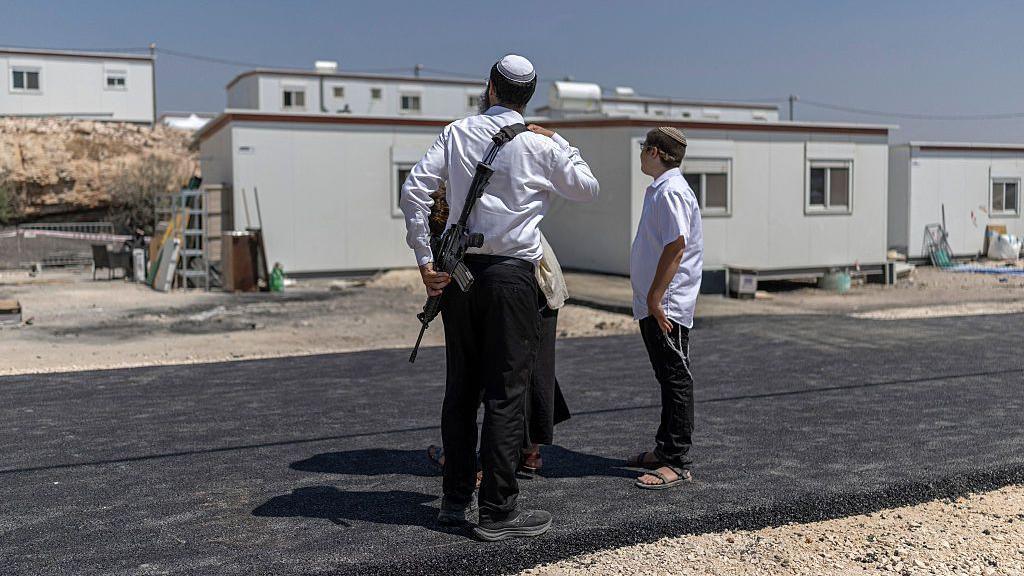
For Monday’s morning in al‑Mughayyir, the first shot fired at the Abu Alia family compound was a club, its thud reverberating across thin metal bars that held firm against teenage settlers. The gate, a bulwark that had soon become a weekly frontline, rattled as the boys pounded, shouting insults that cut across Hebrew and Arabic. Armed settlers—teenagers at the gate, older men a short distance away—stood beside Israeli soldiers, who walked past with little active intervention.
Footage captured by the family showed soldiers guiding the youths away and then returning to the gate itself, but the teenagers would re‑attack, insisting on breaking through the barriers that protected the households that sat inside. A power tool was visible on a log beside an Israeli settlement, hinting at the raw tools used in the assault.
While Israeli forces claimed to investigate only the damage to property, the local report indicates that soldiers entered homes to search responders for stone‑throwing and later detained an individual involved in a “violent riot.” Their rules of engagement had been loosened, allowing live fire against stone‑throwers since the Hamas‑led attacks of October 2023.
Residents describe the pattern: “First this morning they came…four settlers—armed—then more, besieging the house, insulting us,” a family member told a reporter. Inside, a woman screamed for them to leave, yet the attacks continued.
Beyond the immediate assault, the weekly reality for Palestinians in Al‑Mughayyir is one of tear gas, gunfire, and forced displacement. An ambulance worker recounted Israeli soldiers confiscating his vehicle’s key and ordering him to keep the engine off, forcing him to wait indefinitely. In the weeks that followed, a 17‑year‑old Palestinian, Fadi al‑Nassan, was shot in the leg, later dying of his injuries.
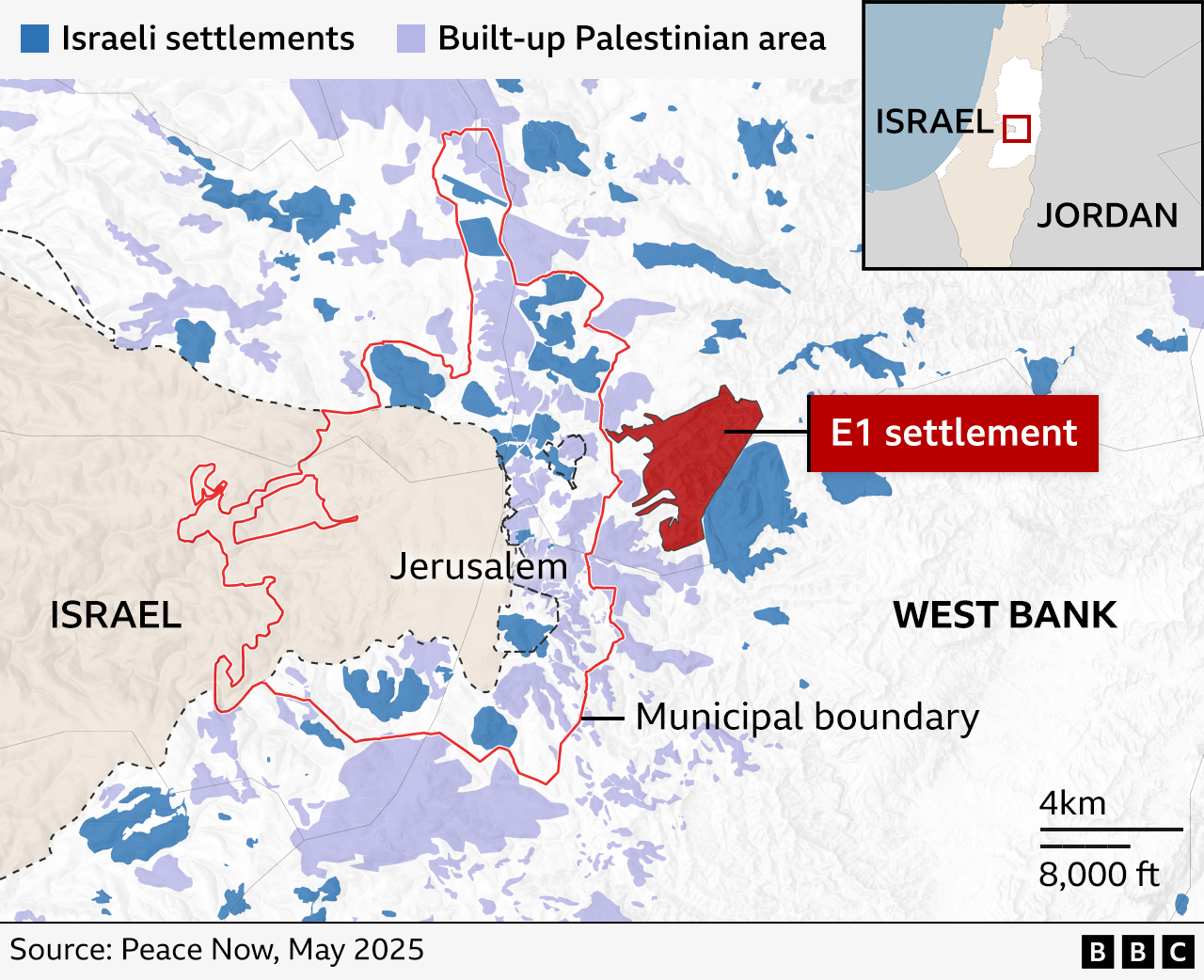
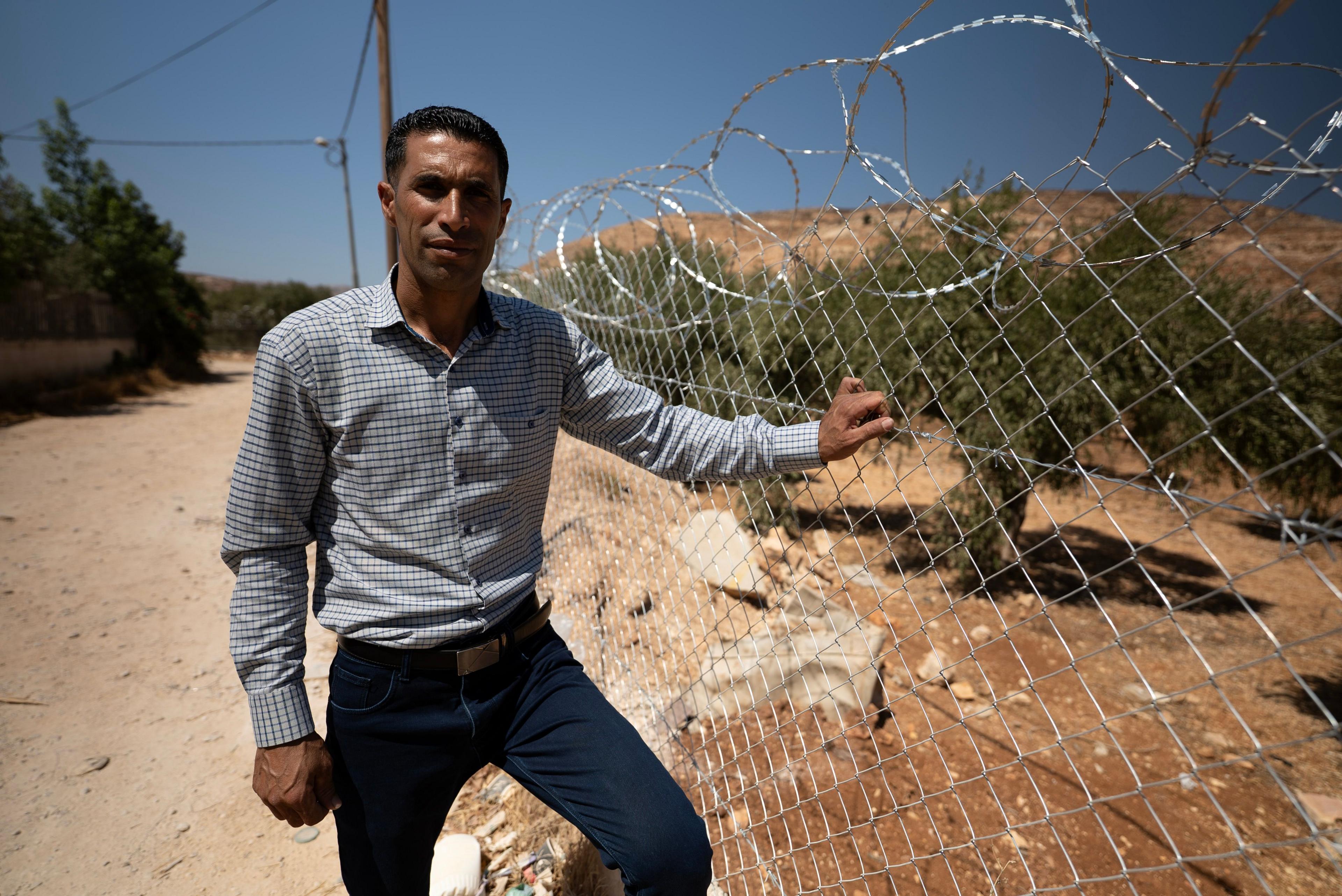
Across the West Bank, the number of barbed‑wire‑equipped houses and the increase in outposts demonstrate a clear expansion of Israeli control. Reports from Peace Now show that between December 2022 and July 2026, at least 231 new outposts have emerged—many completely illegal under Israeli law. These settlements receive state funds for roads and electricity, fostering a network that militarises the threat against Palestinian communities.
An IDF commander admitted that “farm outposts align well with Israel’s security concept,” while also stating that any expansion must be “ethical and lawful.” Yet the on‑ground reality shows soldiers often acting as an extension of the settlers, rather than neutral enforcers.