In brief
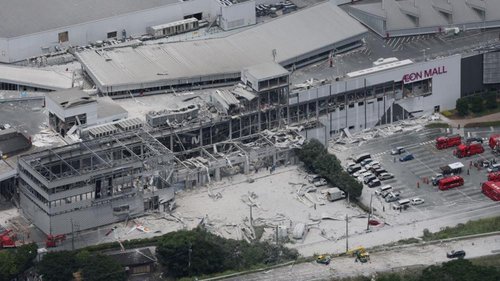
When a 6.8‑magnitude earthquake rattled Kumamoto prefecture on Kyushu island, the Aeon shopping mall’s second floor collapsed and exploded amid the chaos. Firefighters and search teams are sifting through the rubble, hoping to locate survivors before the shape of the wreckage prevents further access. The incident underscores the vulnerability of Japan’s high‑rise commercial spaces to seismic forces and the urgent need for stringent safety inspections. Local officials and earthquake experts are already evaluating the structural weaknesses that may have contributed to the sudden blast. As rescue efforts continue, the nation watches closely, reflecting on a country that has long been a living laboratory for earthquake preparedness.
A 6.8‑magnitude earthquake struck Kyushu’s Kumamoto prefecture at 16:27 local time on Tuesday, sending tremors through the region and shattering the Aeon shopping mall’s second floor.
Witnesses reported a sudden explosion accompanied by thick smoke, forcing staff and customers to evacuate the mall before the blast occurred. Search teams are currently combing the scattered debris, with some reports suggesting that the fire may have ignited stored flammable materials.
The Aeon operator confirmed that the building’s partial collapse was immediately followed by the explosion, prompting the emergency services to initiate a large‑scale rescue operation. Firefighters, paramedics, and volunteers have been deployed in a coordinated effort to locate survivors and stabilize the wrecked structure.
Officials say structural engineers are evaluating why the building failed. Early speculation points to possible deficiencies in seismic retrofitting, a point that has reignited public debate over Japan’s building safety codes.
The local disaster response council is maintaining a live update feed, encouraging residents to stay away from the site while authorities handle the crisis. Meanwhile, visitors to the Aeon mall are advised to remain in the surrounding area for safety and to listen for official alerts.
Further insights will be available as rescue teams press on, the building’s structural investigations continue, and experts evaluate the broader implications for Japan’s seismic preparedness strategy.