A Small Plane Crashed Into Beijing's Zenith Tower, No Official Explanation
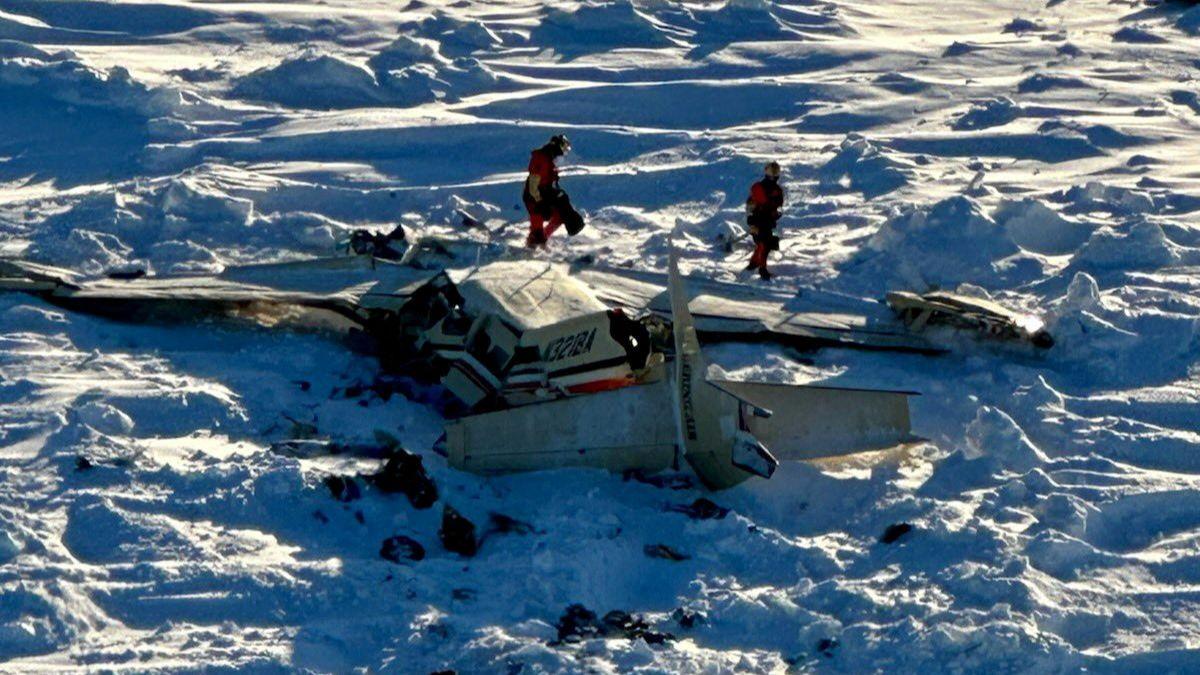
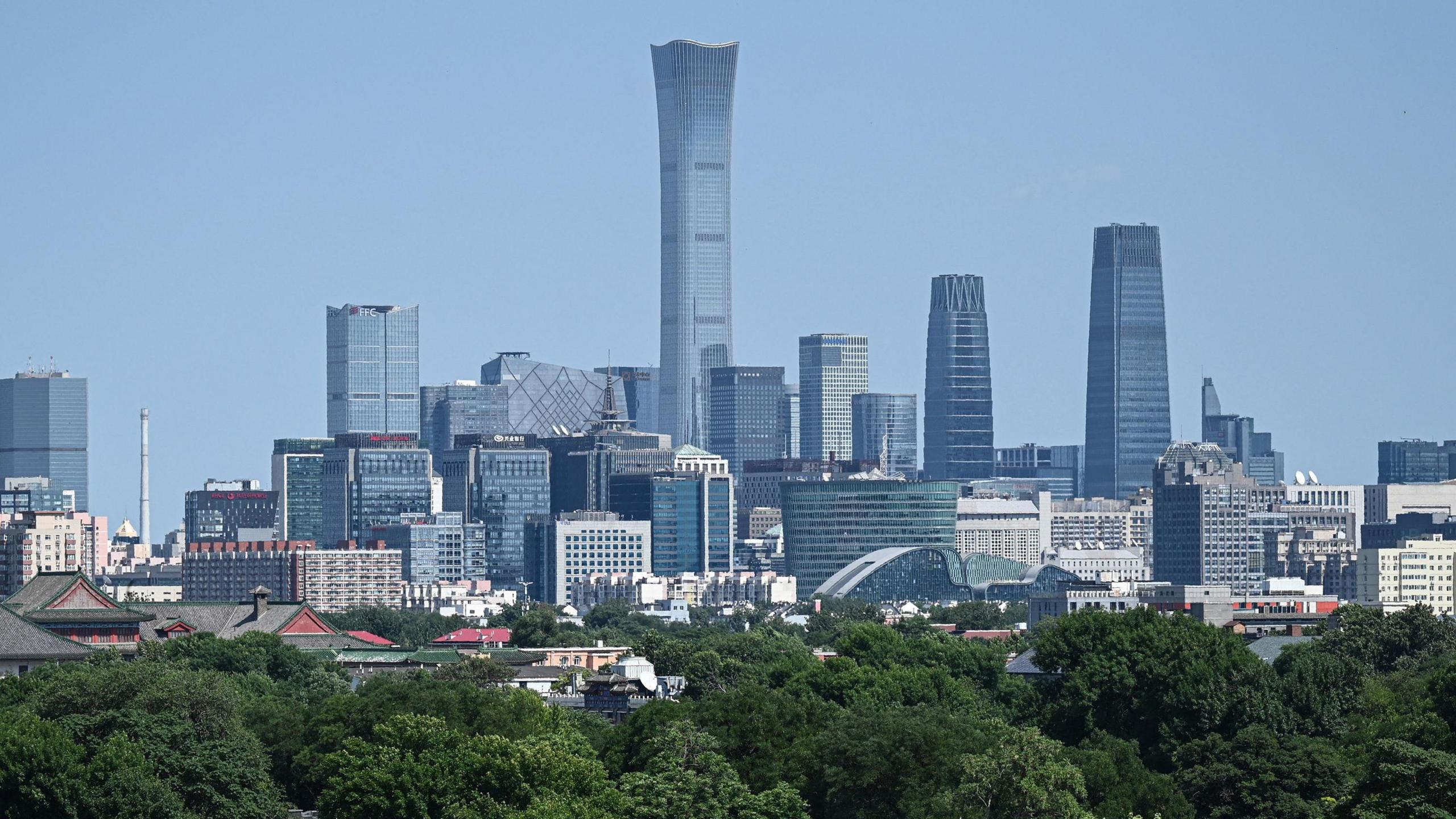
On June 28 a two‑seat Aurora SA60L collided with the 109‑storey CITIC Tower, killing the pilot and wounding 13 survivors. The aircraft struck a side of the skyscraper, a sight that has since been boarded up and rarely shown publicly. The crash happened only kilometres from Zhongnanhai, the heavily guarded residence of China's top leaders.
The Chinese state media released a concise, 60‑word report stating the basic facts but saying nothing about the cause. In the days following the incident, the internet was flooded with dramatic footage, which has since been scrubbed, and even unrelated images and memes of the tower were removed from domestic platforms.
A handful of aviation firms confirmed that Beijing authorities have grounded light‑aircraft operations. One flight‑training institute said, “We were told not to speak about it.” The pause comes from a city that enforces a permanent no‑fly zone of roughly 100 sq km over Tiananmen Square and Zhongnanhai.
Security experts have labelled the incident a “massive security breach.” Analysts point out that without a second plane, the break in the highway of Beijing's air controls could have resulted in a tragedy at the leadership compound itself. Some commentators argue the plane’s size—larger than most drones—underscores the system’s vulnerability and has already sparked calls for high‑ranking officials to be replaced.
Detailed speculation about the cause remains out of reach. The plane’s manufacturer, Sunward Aircraft, built it for touring and aerial photography. It could have suffered pilot error, mechanical failure, or deliberate action. In a world still haunted by September 11 and historic Soviet air‑defence lapses, Beijing now faces a case that may reshape its security narratives.