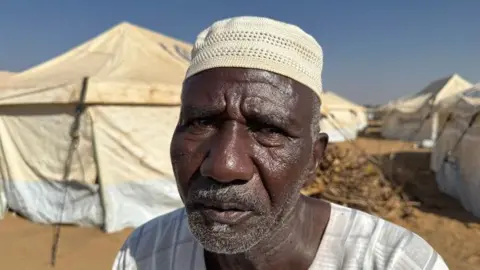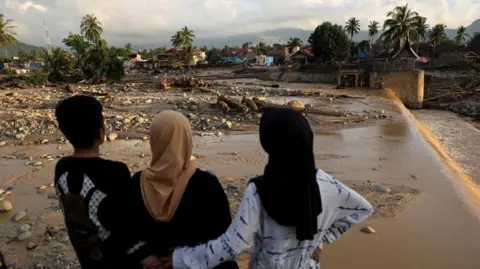
On foot or by car, the journey back home has commenced for many Gazans who have been displaced for the past 15 months. Although the Gaza Strip is geographically small, the trek signifies the beginning of an uncertain future for this war-torn region. The enormity of the humanitarian crisis at hand is overwhelming.
“There are no facilities, no services, no electricity, no water, no infrastructure,” lamented Ghada el-Kurd, a Gazan journalist, as she headed back north from Deir el-Balah, where she had sought refuge for months. "We have to start all over again, from zero."
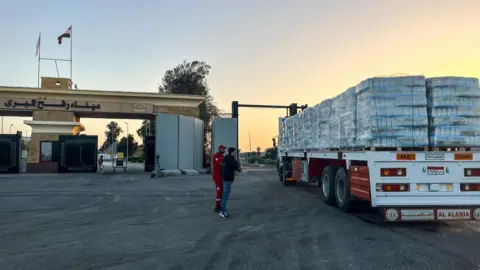
While urgent needs regarding food and shelter are beginning to be met, aid is flowing in unprecedented amounts, according to Sam Rose from the UN's Palestinian refugee agency, Unrwa. "We can meet bare minimums like food, water, blankets, and hygiene items; but beyond that, this is a long, long road ahead."
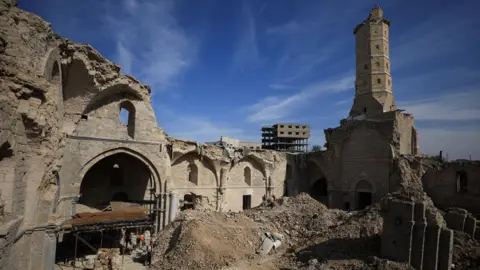
Finding adequate shelter amid the ruins of Gaza is just the first of many monumental challenges. Approximately 700,000 people evacuated from Gaza City and surrounding areas during the early weeks of the conflict, while around 400,000 chose to remain. The destruction is severe, with the UN estimating that around 70% of the buildings in Gaza have suffered damage or destruction since October 2023. Jabaliya, once home to about 200,000 individuals, primarily from one of Gaza's oldest refugee camps, has been nearly obliterated.
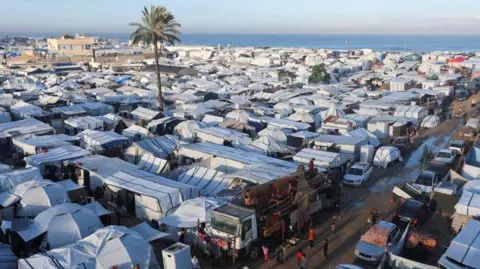
The demand for shelter is staggering, with Gaza's Hamas-run Government Media Office making an urgent appeal for 135,000 tents and caravans. The UN is finally in a position to deliver 20,000 tents previously stuck at the border, alongside supplies of tarpaulin and mattresses. However, meeting the overwhelming demand for shelter poses a significant challenge. "There simply aren’t that many manufactured tents for aid operations globally," Rose pointed out.
As many return, worries about accommodation are intensifying. Asmaa Tayeh, who stayed in the north while her family fled Jabaliya, highlighted a new wave of displacement. “People used to stay with friends or relatives living in the south,” she remarked. “Now these houses being emptied is causing conflicts over space.”
Moreover, the returnees are facing rising prices and heightened pressure on scarce water and electricity resources. Despite the anticipated hardships, many of those returning express relief. "We’re thrilled to return to the north, where we can finally find some peace," one woman shared.
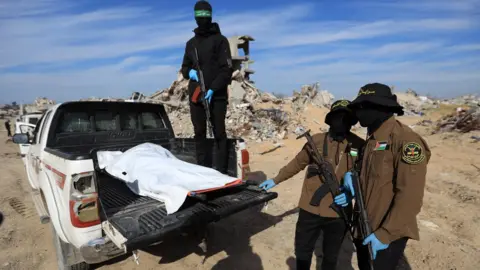
A stark reminder of the challenge ahead comes from Beit Hanoun, which, according to recent reports, is unrecognizable post-conflict.
Additionally, discussions surface regarding the suggestion by former U.S. President Donald Trump that Palestinians should resettle temporarily or permanently in Egypt or Jordan. This proposal has elicited strong objections from both countries, fearing social and security repercussions from such an influx of traumatized refugees.
The prospect of Gaza being quickly rehabilitated appears critical. Ghada el-Kurd warns, "If they lost everything and the reconstruction process is delayed, I fear we will see more people leaving." Already, 150,000 individuals have departed since the onset of the war in October, with more likely to leave if conditions remain dire.
"I agree with Trump that people deserve a better life," Ghada reflects. "But why can’t it be in Gaza?"
“There are no facilities, no services, no electricity, no water, no infrastructure,” lamented Ghada el-Kurd, a Gazan journalist, as she headed back north from Deir el-Balah, where she had sought refuge for months. "We have to start all over again, from zero."
While urgent needs regarding food and shelter are beginning to be met, aid is flowing in unprecedented amounts, according to Sam Rose from the UN's Palestinian refugee agency, Unrwa. "We can meet bare minimums like food, water, blankets, and hygiene items; but beyond that, this is a long, long road ahead."
Finding adequate shelter amid the ruins of Gaza is just the first of many monumental challenges. Approximately 700,000 people evacuated from Gaza City and surrounding areas during the early weeks of the conflict, while around 400,000 chose to remain. The destruction is severe, with the UN estimating that around 70% of the buildings in Gaza have suffered damage or destruction since October 2023. Jabaliya, once home to about 200,000 individuals, primarily from one of Gaza's oldest refugee camps, has been nearly obliterated.
The demand for shelter is staggering, with Gaza's Hamas-run Government Media Office making an urgent appeal for 135,000 tents and caravans. The UN is finally in a position to deliver 20,000 tents previously stuck at the border, alongside supplies of tarpaulin and mattresses. However, meeting the overwhelming demand for shelter poses a significant challenge. "There simply aren’t that many manufactured tents for aid operations globally," Rose pointed out.
As many return, worries about accommodation are intensifying. Asmaa Tayeh, who stayed in the north while her family fled Jabaliya, highlighted a new wave of displacement. “People used to stay with friends or relatives living in the south,” she remarked. “Now these houses being emptied is causing conflicts over space.”
Moreover, the returnees are facing rising prices and heightened pressure on scarce water and electricity resources. Despite the anticipated hardships, many of those returning express relief. "We’re thrilled to return to the north, where we can finally find some peace," one woman shared.
A stark reminder of the challenge ahead comes from Beit Hanoun, which, according to recent reports, is unrecognizable post-conflict.
Additionally, discussions surface regarding the suggestion by former U.S. President Donald Trump that Palestinians should resettle temporarily or permanently in Egypt or Jordan. This proposal has elicited strong objections from both countries, fearing social and security repercussions from such an influx of traumatized refugees.
The prospect of Gaza being quickly rehabilitated appears critical. Ghada el-Kurd warns, "If they lost everything and the reconstruction process is delayed, I fear we will see more people leaving." Already, 150,000 individuals have departed since the onset of the war in October, with more likely to leave if conditions remain dire.
"I agree with Trump that people deserve a better life," Ghada reflects. "But why can’t it be in Gaza?"