
In brief
As the repercussions of a recent earthquake in Myanmar resonate, the stories of survivors and those living abroad reveal a complex tapestry of grief, guilt, and resilience. Activists like Ko Naing highlight the emotional toll faced by the diaspora, who feel unable to assist their loved ones while coping with the aftermath from afar.
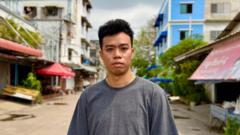
In the aftermath of the devastating earthquake that struck Sagaing, Myanmar, on Friday, many members of the Myanmar diaspora are struggling with feelings of guilt and helplessness. Among them is Ko Naing, who now lives in Thailand after fleeing the military junta in Myanmar. The earthquake has decimated his hometown, leading to the loss of at least 2,000 lives, including that of his beloved great-uncle.A labor rights activist and supporter of Myanmar's resistance, Ko Naing recalls the last conversation he had with his great-uncle, who wished him well before he migrated. "I have sleepless nights. I'm still suffering," Ko Naing stated, reflecting on the burden of being safe while his loved ones remain in peril. His feelings of survivor's guilt echo through the diaspora community, with many unable to return home for fear of political persecution.With more than 4.3 million Myanmar nationals residing in Thailand, the country possesses the largest diaspora community. The numbers could be even greater when accounting for undocumented migrants who seek work in various sectors, especially in construction and agriculture. The ongoing civil unrest following the 2021 military coup has compounded the population seeking refuge, with many now unable to go back and help in rescue efforts after the quake.Reports from Samut Sakhon, a fishing port near Bangkok, reveal deep sorrow among the Myanmar workers as they witness the destruction from afar. Workers like Yin Yin express their anguish over their inability to assist their families, while shopkeeper Thant Zin mourns the loss of centuries-old structures that define their cultural heritage.For Ko Naing, the heartbreaking news came slowly. Although many of his relatives managed to remain safe, he learned of his great-uncle's tragic death when their monastery collapsed during the earthquake. The ordeal serves as a painful reminder of the continued suffering in Myanmar under military rule, even amid natural disasters. In his new life in Thailand, Ko Naing stays connected to his homeland by working with the diaspora community to gather humanitarian aid for the earthquake victims. "We have to make up our mind on how to rebuild, how we can move on," he declared.Despite his current stability, he battles feelings of depression rooted in the chaos surrounding Myanmar's political landscape and the recent quake's aftermath. "I keep thinking it would be good if we can be there, if we can do something… it's depressing living here, seeing the news about my country," Ko Naing lamented.As the situation develops, the global community is watching the crisis unfold, with many hoping for a swift recovery for those affected in Myanmar. The resilience of those like Ko Naing inspires others to stand in solidarity as they navigate the complex emotions of survival, loss, and the desire to aid their homeland from a distance.
