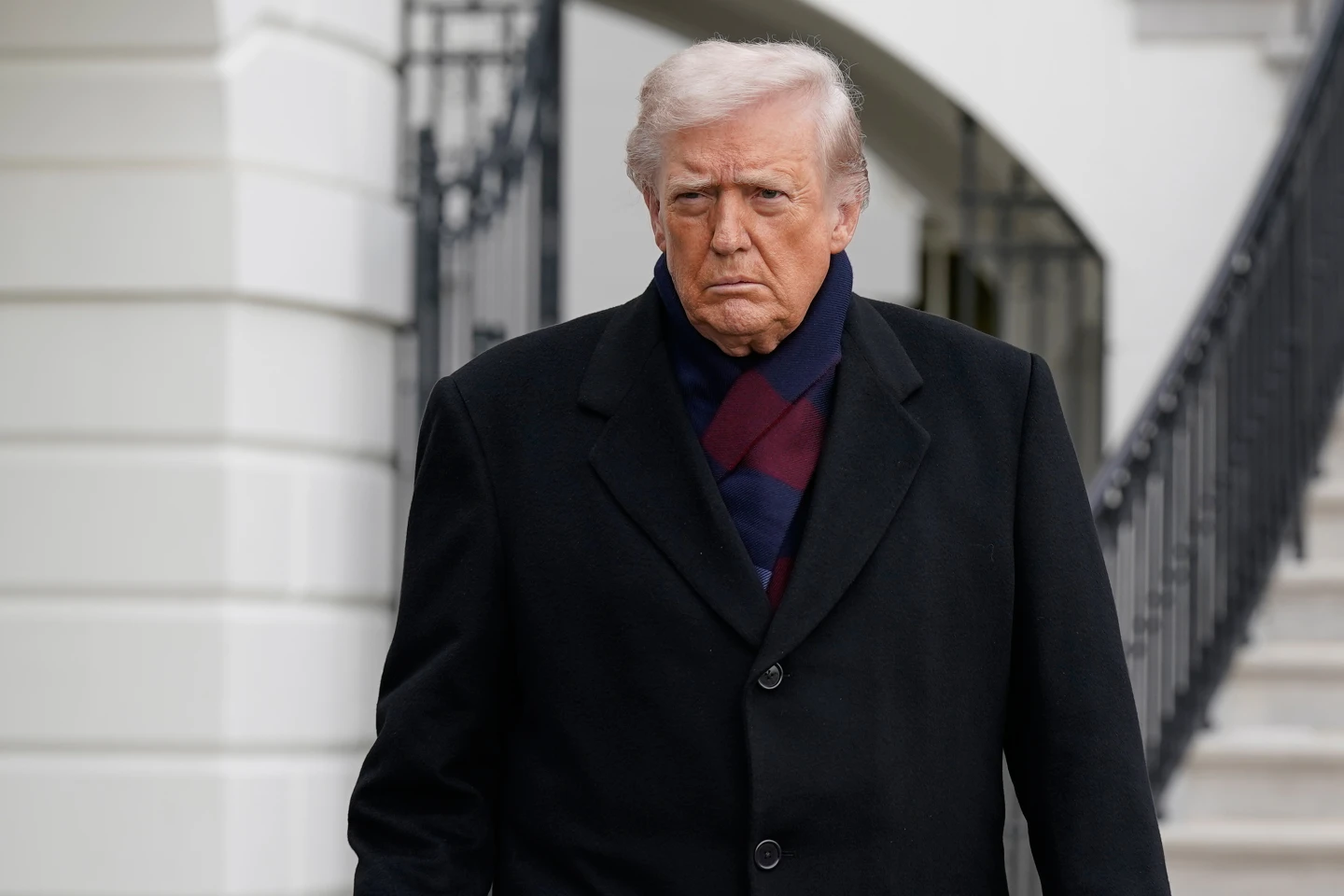
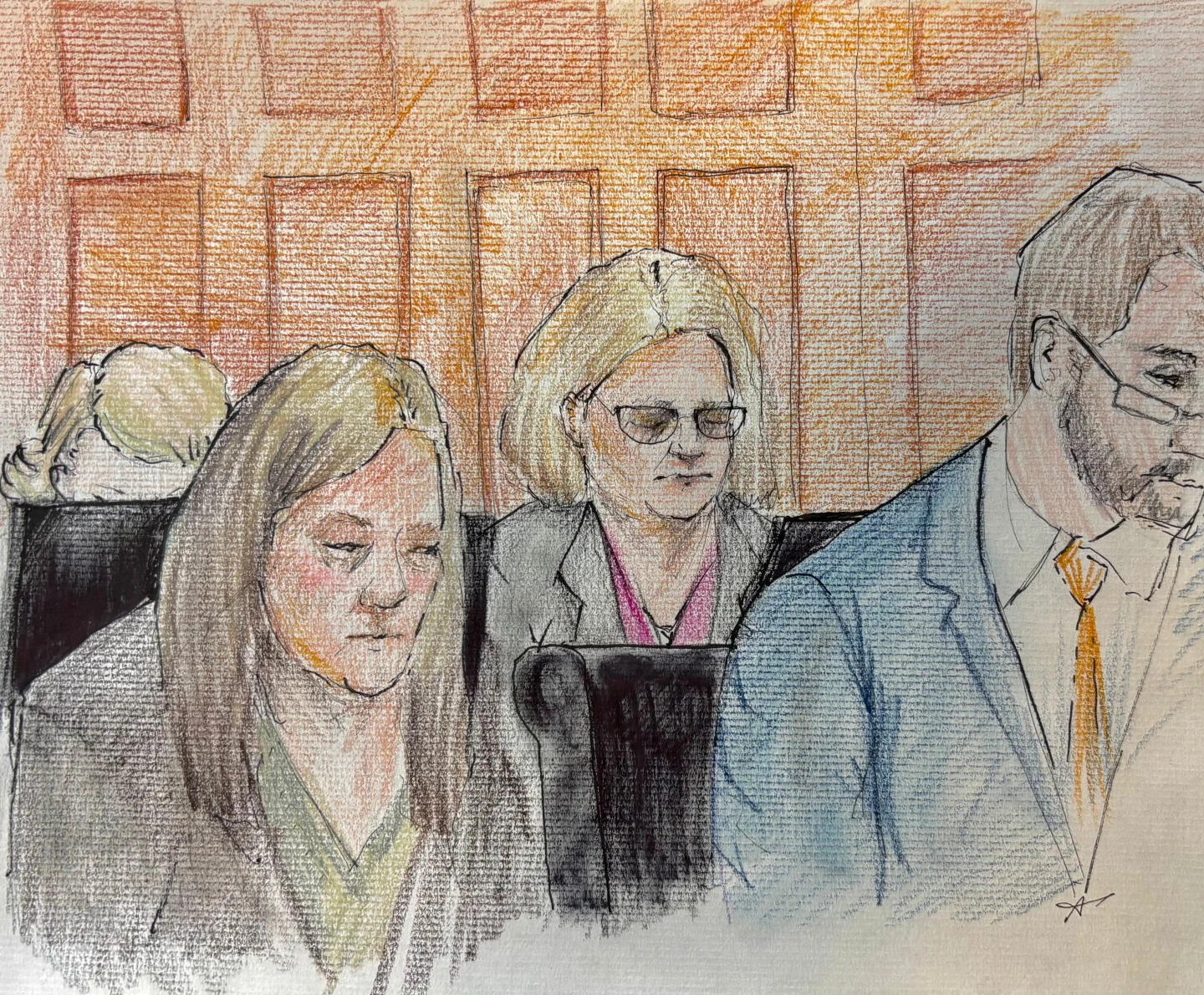
FORT PIERCE, Fla. — In a dramatic case unfolding in federal court, Ryan Routh is poised to deliver his closing argument on Tuesday, attempting to mount a defense against charges of attempting to assassinate Donald Trump last year at his Florida golf course. As the trial approaches its conclusion, U.S. District Judge Aileen Cannon has advised Routh that he must adhere strictly to the court’s rules or risk being cut off during his remarks.
Prosecutors allege that Routh, 59, spent weeks planning to kill Trump, aiming a rifle through the foliage while Trump played golf at his West Palm Beach country club on September 15, 2024. Routh faces charges of attempting to assassinate a major presidential candidate, assaulting a federal officer, and several firearm-related violations, to which he has pleaded not guilty.
During a precautionary court session, Judge Cannon reiterated to Routh that closing arguments must remain grounded in the evidence and witness testimonies presented throughout the trial. 'This can’t be your opportunity to provide pseudo-testimony outside the context of sworn testimony,' she emphasized.
Routh, who has opted not to testify in his defense, brought scant support to his case, questioning only three witnesses over three hours compared to the prosecution’s seven days of testimony from 38 witnesses. He has linked his situation to a previous legal incident, acknowledging that he understood the court's directives, revealing a possible disconnect as he briefly digressed in his own opening statement in a prior session.
A notable moment came when a Secret Service agent testified about spotting Routh before Trump came into view, leading to a confrontation where Routh allegedly aimed at the agent who then fired. Law enforcement tracked Routh down shortly after with the aid of a witness who reported seeing him fleeing the scene.
The case has attracted significant attention, especially as it follows a prior assassination attempt against Trump earlier in 2024 in Pennsylvania. Routh’s background is troubled, marked by a history of criminal behavior and claims of mercenary leadership attempting to intervene in global conflicts, including the Ukraine war.
As the trial draws to a close, the tension builds both in and out of the courtroom regarding the future of Routh, who remains adamant in his innocence against a litany of accusations.
Prosecutors allege that Routh, 59, spent weeks planning to kill Trump, aiming a rifle through the foliage while Trump played golf at his West Palm Beach country club on September 15, 2024. Routh faces charges of attempting to assassinate a major presidential candidate, assaulting a federal officer, and several firearm-related violations, to which he has pleaded not guilty.
During a precautionary court session, Judge Cannon reiterated to Routh that closing arguments must remain grounded in the evidence and witness testimonies presented throughout the trial. 'This can’t be your opportunity to provide pseudo-testimony outside the context of sworn testimony,' she emphasized.
Routh, who has opted not to testify in his defense, brought scant support to his case, questioning only three witnesses over three hours compared to the prosecution’s seven days of testimony from 38 witnesses. He has linked his situation to a previous legal incident, acknowledging that he understood the court's directives, revealing a possible disconnect as he briefly digressed in his own opening statement in a prior session.
A notable moment came when a Secret Service agent testified about spotting Routh before Trump came into view, leading to a confrontation where Routh allegedly aimed at the agent who then fired. Law enforcement tracked Routh down shortly after with the aid of a witness who reported seeing him fleeing the scene.
The case has attracted significant attention, especially as it follows a prior assassination attempt against Trump earlier in 2024 in Pennsylvania. Routh’s background is troubled, marked by a history of criminal behavior and claims of mercenary leadership attempting to intervene in global conflicts, including the Ukraine war.
As the trial draws to a close, the tension builds both in and out of the courtroom regarding the future of Routh, who remains adamant in his innocence against a litany of accusations.