March 29, 2025 – Myanmar experienced a major earthquake with a magnitude of 7.7 that has resulted in nearly 700 confirmed deaths and over 1,600 injuries, according to reports from the military government. The quake struck near Mandalay on Friday and caused widespread destruction, particularly affecting the Sagaing region, an area already known for its seismic activity.
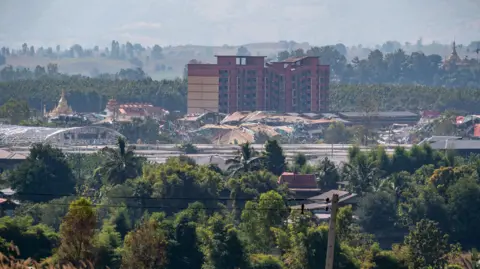
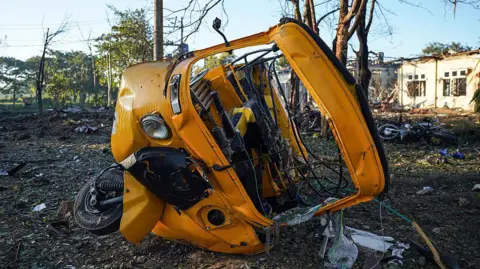
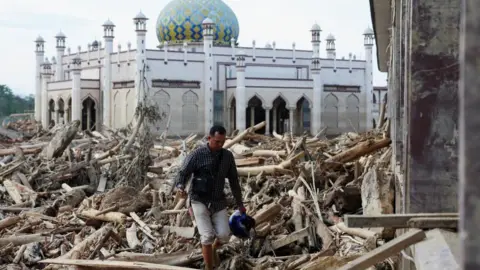
The quake's epicenter was located close to Mandalay, Myanmar's second-largest city. The building damage has been catastrophic, with wreckage evident in several structures and emergency hospitals overwhelmed with injured victims. Eyewitness accounts noted shocking scenes of devastation, including entire blocks of buildings toppled and many individuals receiving medical care outside due to overcrowding.
Efforts to respond to the disaster have been complicated by the junta's appeal for international assistance, which is hindered by existing sanctions from countries like the United States and Britain due to Myanmar's political climate. Rescue teams from neighboring countries such as China have begun operations, highlighting the urgent need for global support.
Officials believe that the death toll could escalate significantly as assessments continue, with U.S. geological modeling estimating potential fatalities to exceed 10,000 due to the earthquake's impact on densely populated neighborhoods and vulnerable infrastructures.
Moreover, there are critical concerns regarding humanitarian efforts, with many logistical challenges anticipated in delivering aid to affected regions. The junta's restrictions on internet access have also created barriers to accurate information flow, crucial for both local and international responders.
As rescue operations commence, the world watches closely, hoping for the best outcome for the survivors while preparing for possible extensive humanitarian needs. The aftermath of this disaster serves as a stark reminder of Myanmar's geological threats and the ongoing political challenges that may hinder recovery efforts for months to come.
The quake's epicenter was located close to Mandalay, Myanmar's second-largest city. The building damage has been catastrophic, with wreckage evident in several structures and emergency hospitals overwhelmed with injured victims. Eyewitness accounts noted shocking scenes of devastation, including entire blocks of buildings toppled and many individuals receiving medical care outside due to overcrowding.
Efforts to respond to the disaster have been complicated by the junta's appeal for international assistance, which is hindered by existing sanctions from countries like the United States and Britain due to Myanmar's political climate. Rescue teams from neighboring countries such as China have begun operations, highlighting the urgent need for global support.
Officials believe that the death toll could escalate significantly as assessments continue, with U.S. geological modeling estimating potential fatalities to exceed 10,000 due to the earthquake's impact on densely populated neighborhoods and vulnerable infrastructures.
Moreover, there are critical concerns regarding humanitarian efforts, with many logistical challenges anticipated in delivering aid to affected regions. The junta's restrictions on internet access have also created barriers to accurate information flow, crucial for both local and international responders.
As rescue operations commence, the world watches closely, hoping for the best outcome for the survivors while preparing for possible extensive humanitarian needs. The aftermath of this disaster serves as a stark reminder of Myanmar's geological threats and the ongoing political challenges that may hinder recovery efforts for months to come.