
In brief
As COP29 progresses in Baku, Azerbaijan's President Ilham Aliyev advocates for fossil fuels and addresses criticisms of his nation's energy policies.
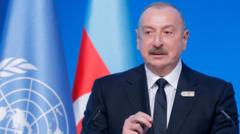
The climate conference COP29 has seen heated discussions, particularly influenced by Azerbaijan’s stance on fossil fuels. President Ilham Aliyev labeled oil and gas as a "gift of god," contending that nations with natural resources should not be criticized for utilizing them. His remarks come in the wake of accusations regarding Azerbaijan's emissions and concerns over the country’s role as a host for climate discussions, given its background in oil and gas. Criticism from Western nations has not gone unnoticed by Aliyev, who suggested that such claims amount to "slander and blackmail" from what he called "Western fake news" outlets. He emphasized that Azerbaijan's emissions are minimal, accounting for only 0.1% of global gas emissions, and positioned the country as a legitimate player in the fossil fuel market. While President Aliyev promotes Azerbaijan’s resource wealth, UN Secretary-General António Guterres takes a starkly contrasting position, denouncing the continued reliance on fossil fuels as “absurd.” He painted a dire picture of the climate crisis, urging nations to backtrack on fossil fuel dependency in favor of a burgeoning clean energy sector. A significant moment at COP29 came with UK Prime Minister Sir Keir Starmer announcing an ambitious goal for an 81% reduction in emissions by 2035, urging global partners to step up their climate commitments. As COP29 continues, discussions around securing necessary funding for developing nations dominate, with calls for wealthier countries to establish a fund potentially worth $1 trillion to assist those severely affected by climate change.The conference has faced skepticism due to the conflicting interests of its host country, particularly with Azerbaijani officials linked to the oil and gas sector at helm of the proceedings. As the climate crisis accelerates, the urgency for financial support for adaptation and sustainable practices remains a critical topic. Amidst these debates, world leaders including Spain's Prime Minister Pedro Sanchez are calling for immediate action in the face of climate-induced disasters, further highlighting the essential nature of coordinated global efforts to mitigate climate change. With the backdrop of COP29 ongoing until November 22, tensions over fossil fuel policy and climate financing are poised to shape the outcomes of this pivotal conference.

