Amidst the picturesque backdrop of Segovia’s Roman aqueduct, Spain's economic revival is marked by a surge in tourism, leading the country to garner the second highest number of overseas visitors globally, trailing only France. Local guide Elena Mirón, donning a vibrant beret, expresses her optimism, stating that the outlook for tourism and her business is brighter than ever, especially after the gloom of the Covid-19 pandemic.
In 2024, Spain welcomed an unprecedented 94 million visitors, contributing significantly to GDP growth that outstripped many of its European counterparts. While Spain experienced a robust increase of 3.2%, Germany shrank by 0.2%, with other economies like France and the UK also lagging. The Economist heralds Spain as the best-performing economy in the world, largely thanks to a balanced model underpinned by diverse sectors.
Business Minister Carlos Cuerpo lauds the nation's economic diversification, highlighting the equal importance of financial services and technology alongside tourism in maintaining a stable growth trajectory. The European Union’s Next Generation programme promises up to €163 billion by 2026, with investments earmarked for rail infrastructure, low-emission urban zones, and support for small businesses.
A critical component of Spain’s recovery included addressing the inflation spike caused by global disruptions due to the pandemic and geopolitical tensions. Through strategic fuel subsidies and a negotiated gas pricing cap with the EU, Spain effectively cushioned the blow from rising energy costs, achieving a decrease in inflation from a peak of 11% in 2022 to 2.8% by late 2024.
Spain’s commitment to renewable energy also plays a pivotal role in its economic future, being home to the second-largest renewable energy infrastructure in the EU. However, challenges remain; joblessness rates, although declining to 10.6%, still exceed the EU average, and public debt looms large against the backdrop of rising living costs and housing shortages.
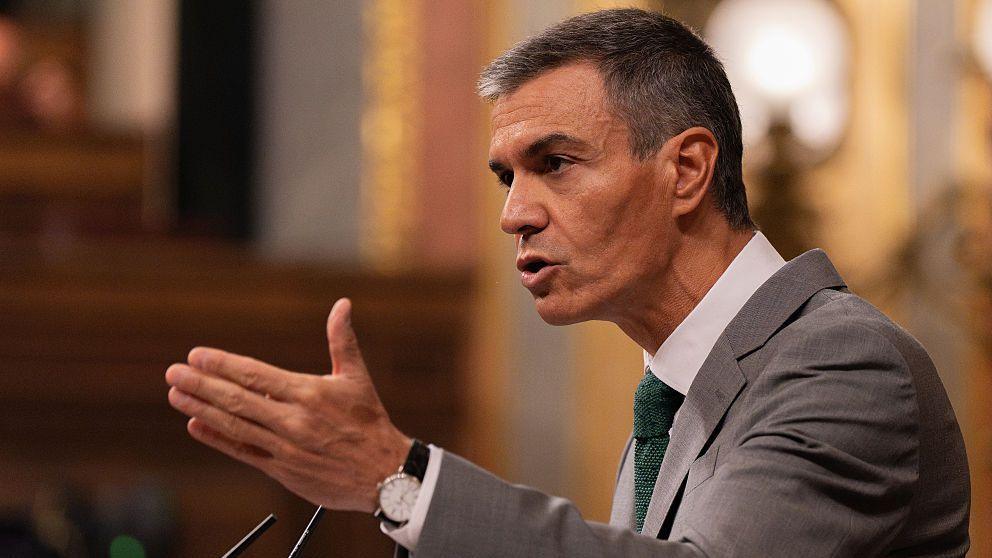
The political landscape remains fraught with challenges that require a delicate balance. As Spain's Socialist prime minister Pedro Sánchez champions immigration as vital for the aging workforce, he navigates backlash against tourism's boom, revitalizing the economy while addressing local grievances. As Spain strives to solve these imminent issues, it continues to embody the pulse of European growth.
In 2024, Spain welcomed an unprecedented 94 million visitors, contributing significantly to GDP growth that outstripped many of its European counterparts. While Spain experienced a robust increase of 3.2%, Germany shrank by 0.2%, with other economies like France and the UK also lagging. The Economist heralds Spain as the best-performing economy in the world, largely thanks to a balanced model underpinned by diverse sectors.
Business Minister Carlos Cuerpo lauds the nation's economic diversification, highlighting the equal importance of financial services and technology alongside tourism in maintaining a stable growth trajectory. The European Union’s Next Generation programme promises up to €163 billion by 2026, with investments earmarked for rail infrastructure, low-emission urban zones, and support for small businesses.
A critical component of Spain’s recovery included addressing the inflation spike caused by global disruptions due to the pandemic and geopolitical tensions. Through strategic fuel subsidies and a negotiated gas pricing cap with the EU, Spain effectively cushioned the blow from rising energy costs, achieving a decrease in inflation from a peak of 11% in 2022 to 2.8% by late 2024.
Spain’s commitment to renewable energy also plays a pivotal role in its economic future, being home to the second-largest renewable energy infrastructure in the EU. However, challenges remain; joblessness rates, although declining to 10.6%, still exceed the EU average, and public debt looms large against the backdrop of rising living costs and housing shortages.
The political landscape remains fraught with challenges that require a delicate balance. As Spain's Socialist prime minister Pedro Sánchez champions immigration as vital for the aging workforce, he navigates backlash against tourism's boom, revitalizing the economy while addressing local grievances. As Spain strives to solve these imminent issues, it continues to embody the pulse of European growth.