In brief
Chinese businesses face uncertainty with Trump's plan to impose new tariffs as they grapple with the repercussions of past trade wars. Amid worries about shifting supply chains and economic repercussions, many manufacturers are contemplating relocation for survival.
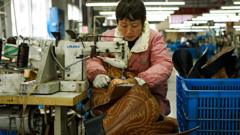
In factories across Jiangsu, China, workers carefully craft cowboy boots, a symbol of enduring craftsmanship and a booming past now under threat from renewed trade hostilities. Sales manager Mr. Peng reflects on the harsh realities ushered in by Donald Trump's original tariffs during his first presidency, which triggered a significant trade war between the U.S. and China. Now, as Trump hints at reimposing tariffs on Chinese products, uncertainty looms large for businesses reliant on exports.The current U.S. administration is grappling with a sluggish Chinese economy, which has increasingly relied on exports. Trump's potential 10% levy, set to commence on February 1, has created a palpable sense of anxiety among manufacturers. Mr. Peng is among many workers in China pondering how the landscape of their industry may shift with the implementation of these tariffs.This isn't Trump's first rodeo with China. The previous round of tariffs led to significant cuts in orders, and now with factories seeing workforce numbers plunge from over 500 to just 200, the specter of a renewed trade conflict raises alarms. Mr. Peng's heartfelt recount of the factory as his family illustrates the emotional toll of geopolitical maneuvering on workers’ lives and livelihoods.In the face of changing dynamics, major global corporations are pivoting operations, with many relocating to places like Vietnam to circumvent the increased costs associated with Trump's tariffs. As businesses weigh their options, the risks of losing skilled labor and the logistical challenges of relocation come into sharp focus. In a contrasting view, entrepreneur Huang Zhaodong in Cambodia is capitalizing on U.S. companies’ shifting demands, constructing factories that produce vast quantities for giants like Walmart. He notes the profitability dilemma faced by suppliers when tariffs rise, often resulting in hidden costs passed to consumers or directly impacting the suppliers' profits.While Trump's renewed stance against China could potentially disrupt existing supply chains for numerous American companies, it’s also driving investment to countries within Southeast Asia. Around 90% of garment factories in Cambodia are Chinese-operated and have quickly adapted to fulfill demand while avoiding tariffs imposed solely on goods from China.As China’s global economic footprint expands, and with substantial investments distributed across Southeast Asia under its Belt and Road Initiative, Chinese manufacturers are responding with agility. Yet, the fear of Trump’s tariffs lingers. In his quest for better US-China trade relations, Mr. Peng hopes for constructive dialogue that could stave off another trade war, emphasizing the necessity of maintaining American demand for Chinese products.China continues to adapt amidst the shifting economic landscape, leaning into high-end manufacturing and seeking alternative markets while existing uncertainties prompt manufacturers, like those in Jiangsu and Phnom Penh, to prepare for an unpredictable future. Alleviating these tensions, Mr. Peng remains hopeful that a cooperative approach could avert further trade hostilities that threaten to destabilize both economies.