In brief
Despite its deep-rooted car culture, Los Angeles is actively working on expanding bike lanes and transit options to accommodate the influx of visitors expected for the 2026 World Cup and 2028 Olympics. However, resistance from car-centric residents poses a significant challenge, alongside concerns about the pace of transformation ahead of the upcoming events.
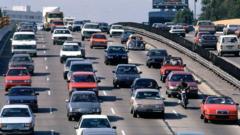
As Los Angeles prepares for the 2026 World Cup and the 2028 Olympic Games, the city confronts a pressing question: can bike lanes help shift its long-standing automobile-centric culture towards a more sustainable mode of transport? With its abundant sunshine and sprawling neighborhoods, many believe LA has the potential to become a cycling haven. Damian Kevitt, executive director of Streets Are For Everyone, acknowledges this potential but also highlights that Angelenos remain "hooked on our vehicles." Historically, Los Angeles has been synonymous with heavy freeway traffic and car-dependent lifestyles. Unlike cities that have embraced public transportation, just 7% of Angelenos utilize transit options to commute—a stark contrast to cities like New York or Boston. Even with enviable weather, a mere 1% bike to work. In anticipation of the upcoming large-scale events, LA adopted its "Twenty-eight by '28" transportation plan in 2017, spurring the addition of numerous bike lanes around the city. "This is long overdue," Kevitt remarked. As awareness grows, LA voters approved a 2024 ballot measure aimed at expanding bike lanes and enhancing walkability. Yet, the question remains: Will the car-loving populace of Los Angeles accept this shift? Some residents express strong opposition, claiming that bike lanes exacerbate traffic woes, as evidenced by Darin Drabing's contention that new bike lanes near his cemetery would complicate his commute. While successful implementations of bike lanes can be seen in Olympic cities like Paris and London, cities like Glendale, CA are retracting bike lanes due to complaints about increased congestion. Traffic alterations have sparked frustration in densely populated areas like Hollywood Boulevard, where limited automobile lanes have provoked mixed reactions—some welcoming the chance to bike instead. Cyclist Mimi Holt, once deterred by the speed of LA traffic, found renewed motivation to bike after facing health concerns. She dreams of interconnected bike paths, expressing her desire to eliminate car reliance entirely. Meanwhile, LA Mayor Karen Bass has positioned her administration towards a "transit-first" approach for the Olympics, despite initial backlash against the idea of a "car-free" event. The city anticipates creating over 100 miles of bike lanes, though only five of the twenty-eight projects are completed as of now, with advocates worried progress is insufficient ahead of the 2028 deadline. To support these initiatives, the city has secured $900 million from the Biden administration. Mayor Bass and LA 2028 leaders have also sought an additional $3.2 billion from federal funds. While navigating complex political landscapes, Mayor Bass remains optimistic that transportation changes will yield lasting effects long after the Olympic spotlight fades. However, a divide remains, as some residents doubt the feasibility of shifting a deeply entrenched car culture so swiftly. "I can't imagine it happening in that short amount of time," said local resident Shivon Ozinga. Nevertheless, as discussions around biking and public transport progress, the future of commuting in Los Angeles hangs in the balance.