
In brief
New revelations from a BBC investigation indicate that Shell has overlooked numerous warnings regarding the corruption and ineffectiveness of its oil clean-up operations in Nigeria's Ogoniland. As local communities prepare to hold Shell accountable in court, concerns about health, environmental degradation, and corporate accountability persist.
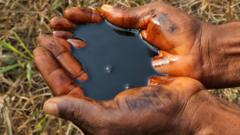
In a recent investigation reported by the BBC, energy giant Shell has been accused of ignoring repeated warnings concerning the mismanagement of an oil clean-up initiative in Ogoniland, southern Nigeria. Despite claims that the clean-up, funded by a consortium including various oil companies and the Nigerian government, is progressing effectively, evidence suggests significant problems persist.The clean-up initiative, prompted by a damning UN report published over a decade ago, has been described by insiders as a "con" and a "scam," which has reportedly squandered a substantial amount of money while leaving Ogoniland's residents to grapple with the severe repercussions of oil spills. Although Shell asserts that oil theft and sabotage are the main culprits behind spills, communities argue that the company must be held liable for the pollution associated with its operations.Recent revelations come as a civil trial is slated to begin in London, where two Ogoni communities will demand accountability from Shell over historical pollution claims stretching back to 1989. The impact on locals has been severe: without clean water and suffering from health issues related to pollution, their livelihoods based on fishing and farming have been jeopardized.Grace Audi, a resident affected by the pollution, highlights the dire living conditions faced by families in Ogoniland, forced to purchase clean water due to contaminated supplies. Similarly, Paulina Agbekpekpe recalls how oil spills have decimated the environment her family relied on for survival. Residents within the impacted regions recount how past promises of remediation have failed to materialize, with a UN report indicating that areas Shell claimed to have cleansed remain polluted.Further complicating the situation, whistleblowers have disclosed that fraudulent practices and inflated project costs have characterized the clean-up efforts. Leaked documents reveal that Shell officials were aware of the troubling practices in the Hydrocarbon Pollution Remediation Project (Hyprep) and that their contractors consistently failed to meet necessary standards.Despite mounting evidence and local outcry, Shell has maintained its innocence, continuing to assert that spills result from external factors like theft. Meanwhile, as Shell prepares to sell its Nigerian subsidiary to Renaissance Africa, concerns linger over the future of oil operations in the region and how they will affect local communities.With the local population feeling abandoned in a resource-rich region, the narrative is increasingly one of exploitation rather than equitable benefit. As the legal battle unfolds, many hope for a future where corporate accountability takes precedence over profit.


