
In brief
In the wake of a possible resurgence of tariffs under Trump’s administration, Chinese manufacturers are contemplating heavy operational shifts, while American brands consider relocating to mitigate costs.
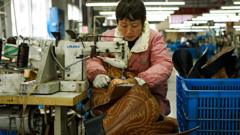
Inside a factory on China’s eastern coast, seamless production of cowboy boots becomes a metaphor for the challenges posed by Trump’s looming tariff plans. Sales manager Mr. Peng reveals a stark reality: a decade ago, the factory moved a million pairs of boots annually. Since Trump's initial trade war began, sales have plummeted, and layoffs have become a grim reality—staff numbers dropping from 500 to just over 200.Trump's anticipated second term, complete with a campaign promise of tariffs against Chinese goods, sends tremors through the industry. A proposed 10% tariff, set to be enacted on February 1, is creating a sense of dread among businesses heavily reliant on exports to the U.S. The factory where Mr. Peng works is contemplating relocating its operations to Southeast Asia, despite the potential fallout for its loyal labor force. "Our boss is determined not to abandon these employees," he asserts, revealing the heart-wrenching dilemma between corporate survival and family-like loyalty.As companies like Nike and Adidas shift their bases to Vietnam to escape tariffs, the Chinese production landscape is changing. Nonetheless, many factories, especially in Jiangsu province, remain important players in the global supply chain, with labor-intensive production still the norm. However, dwindling orders—exacerbated by previously implemented tariffs in 2019—have left factories grappling with empty workstations.Beyond the immediate concerns, geopolitical tensions complicate matters. The trade dynamic shifted drastically under Biden, who upheld many of Trump's tariff policies, further straining U.S.-China relations. While Trump seeks to leverage tariffs as a means of pressure, Chinese manufacturers are exploring new markets, expanding operations in places like Cambodia, where business from U.S. retail giants is flourishing.Businessman Huang Zhaodong's new factory in Cambodia serves as an example of this strategic migration; U.S. clients increasingly demand that suppliers relocate to avoid tariffs. This reshuffling is emphasized by the overwhelming presence of Chinese-run enterprises popping up across Southeast Asia, signaling a shift in the region’s economic landscape influenced by China's Belt and Road Initiative.Despite the portents of turmoil featured prominently in surveys showcasing nervousness within the American business community in China, there are signs of adaptability among manufacturers. Chinese firms like Mr. Huang's are navigating new supply chains and seeking out alternative markets beyond traditional partners to maintain competitiveness amidst looming tariffs.As analysts ponder the potential repercussions of renewed tariffs, Mr. Peng fosters hope for a diplomatic resolution, urging that U.S. consumers continue to value and demand Chinese products. Ultimately, as the stakes rise, both American and Chinese businesses stand at a crossroads, with a clear need for strategic adaptation amid a backdrop of uncertainty.
