
In brief
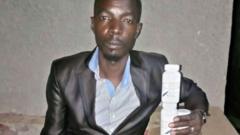
Mike Elvis Tusubira, an HIV patient from Uganda, describes the devastating effects of the USAID funding freeze on his health and family. As essential medications and support services vanish, thousands face uncertainty and danger.
Life for Mike Elvis Tusubira, a motorcycle taxi rider living with HIV in Uganda, has entered a state of crisis following U.S. President Donald Trump’s decision to freeze foreign aid last month. At 35 years old, he is grappling not only with the fear of his own health and survival but also the potential collapse of his marriage due to the absence of safe sex practices. Tusubira's wife, who is HIV-negative, depends on Pre-Exposure Prophylaxis (PrEP), a vital preventive medicine that they cannot access amid the funding halt.Tusubira articulated his situation plainly: "It means that even my marriage will end because without the preventive measures, she's not going to stay. No condoms, no lubricants, no PrEP – nothing." The couple has exhausted their supplies of essential medications, provided by USAID funding, and the fear of relying solely on condoms looms large.The funding freeze came abruptly, announced via social media right after Trump resumed office. While some humanitarian exceptions were later issued, the critical HIV program at Marpi Clinic in Kampala had already shuttered its doors. Tusubira attempted to reach out to his counselor for information, only to discover that the staff were no longer available."I’m moving in the dark, in the darkness. I don’t know whether my viral load is suppressed. I’m traumatized," he confessed. As a boda-boda rider, he doubts he can afford private pharmacy medications, further jeopardizing his treatment plan. The couple’s son faces his own challenges, as services that previously provided schooling and food for vulnerable children are also drying up.The wide-reaching implications of the USAID funding halt affect not only individuals like Tusubira but also thousands of healthcare workers. Dr. Shamirah Nakitto, a clinician in Kampala, was laid off following the funding stoppage, and patients previously served have become stranded without support. Uganda's health sector heavily relies on donor funds, which account for 70% of its AIDS programs.In Africa, the ramifications of the USAID freeze resonate across borders. In Malawi, where the health budget received $154 million, services have also ground to a halt. Clinics like the Macro Mzuzu Clinic now sit idle, turning away patients reliant on ARVs and other critical support.Eddah Simfukwe Banda, a subsistence farmer in Malawi, voiced her distress over the uncertainty following the USAID shutdown. With only a three-week supply of ARVs left, she implores for divine intervention amidst systemic challenges—a sentiment shared by many in a nation heavily dependent on foreign aid.The dire situation is further compounded by the looming threat of increased AIDS-related deaths and infections in the absence of U.S. support. Former USAID officials and health experts warn of catastrophic reversals in progress made over the past decades, with estimates predicting millions of new infections and deaths if immediate action is not taken.Dr. Winnie Byanyima, head of UNAIDS, stressed the urgent need for governmental interventions to prevent what could become a health crisis of unprecedented scale. With the global healthcare network at a breaking point, the precarious fate of patients like Tusubira and Banda lies in uncertain hands.As the clock ticks down for those with limited supplies of life-sustaining medications, Tusubira contemplates his next steps. “I may opt to leave Kampala and go home to my village. If I die, they just bury me there instead of disturbing my people here,” he reflects, signaling the challenging choices ahead for many facing the realities of a deeply flawed aid system.

